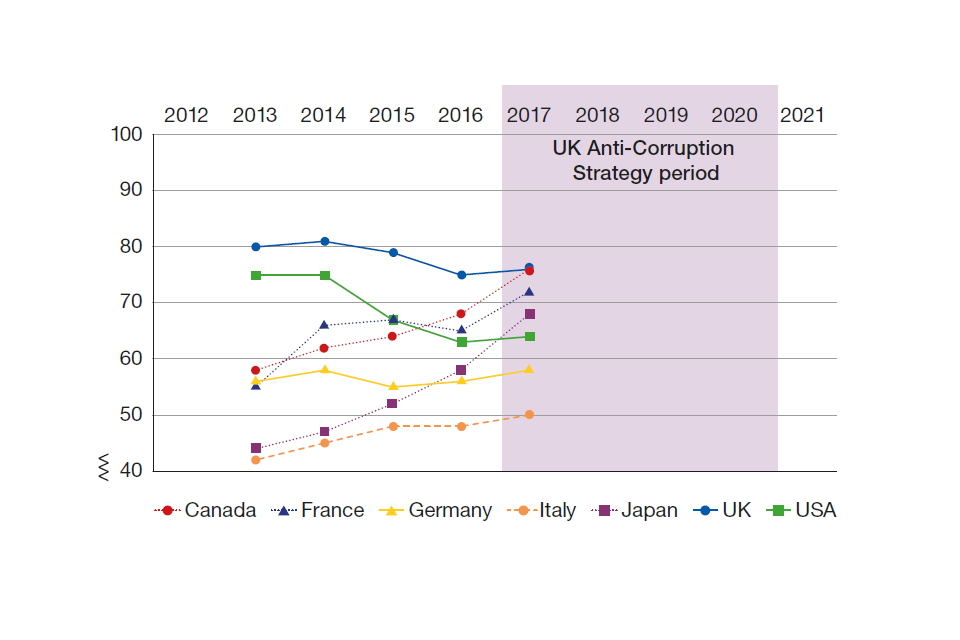

The UK Anti-Corruption Strategy marks a significant commitment by the British government to combat corruption and enhance public integrity. Unveiled recently, this forward-thinking initiative seeks to address the growing threat posed by illicit finance, including the use of crypto assets in sanctions evasion and money laundering. By fostering international cooperation, the strategy aims to close the gaps exploited by kleptocrats and organized criminals who undermine both national security and fair economic practices. As part of this initiative, an Illicit Finance Summit will take place, focusing on collaborative solutions to tackle these pervasive issues. With a clear emphasis on boosting enforcement and rooting out corruption within public services, the UK is determined to take a stand against financial crime and restore trust in financial systems.
The United Kingdom’s recent strategy to combat corruption outlines a proactive approach to enhancing governance and reinforcing public trust. This initiative illustrates a commitment to address financial misconduct, including measures against illicit monetary activities and the exploitation of crypto technology for circumventing legal sanctions. By promoting accountability within both domestic entities and international partners, the strategy is poised to strengthen collaboration in the fight against corruption. Additionally, the establishment of new regulatory frameworks and support mechanisms will help build a resilient defense against illicit financial flows. Overall, this comprehensive approach seeks to foster a transparent and ethical business environment, ensuring that corrupt practices are curtailed effectively.
Strengthening the UK’s Anti-Corruption Strategy
The UK government’s newly unveiled Anti-Corruption Strategy marks a significant milestone in combatting not just domestic corruption but also the illicit financial flows that undermine public trust. It aims to enhance enforcement measures, close existing financial crime loopholes, and curb the increasingly sophisticated use of crypto-assets by unscrupulous entities seeking to evade international sanctions. By establishing a framework that prioritises transparency and accountability, the strategy sends a resounding message that the UK will no longer serve as a safe haven for corrupt practices.
In a direct response to the escalating challenges posed by money laundering and illicit finance, the strategy is built on three core pillars. Enhanced police enforcement and expanded sanctions are central to the government’s agenda, alongside a reform of whistleblowing frameworks and increased ownership transparency. This comprehensive approach underlines not only the urgency of the situation concerning corrupt actors but also the imperative of restoring public integrity and trust in institutions.
International Cooperation in Combating Corruption
A crucial aspect of the UK’s Anti-Corruption Strategy is its focus on international cooperation to effectively tackle the global nature of corruption and illicit finance. By hosting an Illicit Finance Summit in 2026, the UK seeks to unite governments, NGOs, and the private sector in a collective effort against the misuse of financial systems. This summit will aim to foster partnerships that enable information sharing, resource pooling, and the creation of stringent regulations that curb the flow of dirty money across borders.
The collaboration extended during this summit will not only enhance national security but also bolster the legitimacy of financial markets. As highlighted by Security Minister Dan Jarvis, these global efforts are essential in strengthening our defenses against corrupt actors and their assets. Through international cooperation, the UK hopes to dismantle networks that exploit gaps in financial regulations, particularly those leveraging emerging technologies like cryptocurrencies.
Addressing Illicit Finance and the Role of Crypto-Assets
The rise of crypto-assets represents a dual-edged sword, offering innovative financial solutions while simultaneously providing avenues for illicit finance. The UK’s Anti-Corruption Strategy directly addresses this challenge by emphasizing the need for stringent regulations tailored to combat the exploitation of cryptocurrencies by fraudsters and money launderers. The strategy recognizes that the anonymity and speed associated with crypto transactions pose significant risks for enforcement agencies seeking to track financial crime.
By tackling the misuse of crypto through enhanced sanctions and regulatory reforms, the UK aims to fortify its position as a global leader in the fight against corruption. Officials have noted that illicit actors often use cryptocurrencies to disguise the origins of their funds, creating complex laundering schemes. As such, reinforcing the anti-money laundering framework to encompass these digital assets is fundamental to thwarting corrupt practices.
The Importance of Public Integrity in Governance
Public integrity is the cornerstone of effective governance and a key focus of the UK’s Anti-Corruption Strategy. The introduction of new measures aimed at promoting ethical conduct among public officials signifies a commitment to restoring trust in government institutions. The formation of an Ethics and Integrity Commission, along with stricter Business Appointment rules, reflects an intent to hold public servants accountable and ensure that their actions align with the principles of transparency and accountability.
Moreover, the strategy seeks to create an environment where rogues cannot thrive unchecked. By addressing potential conflicts of interest and increasing transparency in political donations, the UK aims to insulate its political landscape from the influence of corrupt money. Minister Yvette Cooper’s assertions about the need for stronger measures against political corruption underline the critical link between public integrity and the successful implementation of this strategy.
Tackling Money Laundering Networks
Money laundering remains one of the most pressing issues faced by the UK’s financial system, with estimates indicating that over $133 billion is laundered annually. The sheer scale of this illicit activity not only poses risks to the economy but also undermines public trust in legal and financial institutions. The new strategy targets this phenomenon head-on, implementing measures designed to disrupt established money laundering networks, including those linked to geopolitical conflicts.
Past successes, such as the seizures of significant amounts of cash and cryptocurrency linked to Russian money laundering efforts, demonstrate the effectiveness of robust enforcement mechanisms. By bolstering resources and refining operational tactics, the UK aims to enhance its capacity to combat money laundering and ensure that financial crime does not impede the legitimate business environment.
Empowering Law Enforcement Through Reforms
An essential component of the UK’s Anti-Corruption Strategy is empowering law enforcement agencies to tackle corruption more effectively. Enhanced training, expanded sanctions, and legislative reforms are critical in providing law enforcement with the tools they need to confront complex economic crimes. By modernizing their approaches and ensuring cooperation among various agencies, the government is committed to creating a more coordinated and efficient response to corruption.
The strategy captures the essence of focusing on frontline agencies like the National Crime Agency, which play a pivotal role in disrupting financial crime. Through strategic reforms, including an overhaul of the anti-money laundering supervisory systems, the UK aims to improve data sharing and collaboration across different jurisdictions, thereby strengthening the overall enforcement landscape.
Creating a Resilient Financial Ecosystem
Implementing the UK Anti-Corruption Strategy involves creating a more resilient financial ecosystem that is resistant to corruption. The strategy encourages a shift towards more stringent compliance measures and accountability standards within both public and private sectors. This effort involves enhancing regulatory frameworks while simultaneously fostering a culture of transparency and ethical conduct in financial dealings.
By improving transparency surrounding beneficial ownership and implementing rigorous compliance mechanisms, the government seeks to detangle and expose the web of illicit finance that often exists in the shadows of legitimate business. These stringent standards are designed not only to deter corrupt practices but also to attract legitimate investment and enhance the integrity of the financial market.
The Role of Civil Society in the Anti-Corruption Strategy
The active involvement of civil society is fundamental to the success of the UK’s Anti-Corruption Strategy. Non-governmental organizations and community groups play a crucial role in educating the public about corruption’s impacts and mobilizing grassroots efforts to demand accountability from government officials. Their involvement can also help to ensure that policies are grounded in the realities faced by citizens and that reforms truly meet the needs of those affected by corruption.
The government’s approach highlights the importance of collaboration with civil society in building a nationwide coalition against corruption, which includes fostering watchdog initiatives to monitor the effectiveness of anti-corruption measures. As Transparency International points out, maintaining public engagement and scrutiny is essential for ensuring political integrity and sustaining momentum in the fight against financial crime.
Implementing Effective Whistleblowing Mechanisms
Strengthening whistleblowing protection is at the heart of the UK’s strategy to enhance transparency and accountability within public institutions. By reforming whistleblowing frameworks, the government aims to encourage individuals to report corruption without fear of reprisal. Effective whistleblowing mechanisms are not only necessary to uncover concealed financial crimes but also essential for fostering a culture of integrity that supports the overall goals of the Anti-Corruption Strategy.
Ensuring that whistleblowers feel safe and respected will empower more individuals to come forward with crucial information about corrupt activities. It also signals that the government is serious about tackling corruption from within, signaling a zero-tolerance attitude towards unethical behavior in the public sector.
Frequently Asked Questions
What is the UK’s Anti-Corruption Strategy and its purpose?
The UK’s Anti-Corruption Strategy aims to enhance public integrity, strengthen enforcement against corruption, and address the use of crypto-assets in sanctions evasion. It seeks to close financial crime loopholes, disrupt organized crime, and improve trust in public life while fostering international cooperation to combat illicit finance.
How does the UK Anti-Corruption Strategy address crypto sanctions evasion?
The UK Anti-Corruption Strategy focuses on curbing the use of crypto-assets for sanctions evasion by implementing stricter enforcement measures, enhancing police capabilities, and fostering international partnerships to prevent the exploitation of cryptocurrencies by corrupt actors and organized crime.
What measures are included in the UK Anti-Corruption Strategy to tackle money laundering?
The UK Anti-Corruption Strategy incorporates comprehensive reforms aimed at tackling money laundering, including an overhaul of anti-money laundering supervisory systems, enhancing transparency measures, and increasing sanctions against entities involved in facilitating illicit finance.
How will the UK Anti-Corruption Strategy impact international cooperation against corruption?
The strategy promotes international cooperation by hosting events such as the Illicit Finance Summit, where governments and private sectors collaborate to address global challenges related to corruption and illicit finance, significantly strengthening collective defenses against corrupt activities.
Why is public integrity emphasized in the UK Anti-Corruption Strategy?
Public integrity is emphasized in the UK’s Anti-Corruption Strategy as it aims to restore trust in public services, eradicate weaknesses that allow corruption to thrive, and establish higher ethical standards within political and public institutions, thereby enhancing overall governance.
What role does the National Crime Agency (NCA) play in the UK Anti-Corruption Strategy?
The National Crime Agency (NCA) plays a crucial role in the UK’s Anti-Corruption Strategy by estimating the scale of money laundering operations and disrupting networks facilitating illicit financial activities, including those involving crypto-assets, thereby supporting enforcement efforts against corruption.
What challenges does the UK face in implementing its Anti-Corruption Strategy?
Challenges include addressing political integrity concerns, ensuring transparency in political donations, and overcoming critical gaps in regulation that allow corrupt practices to persist, particularly in the context of property ownership and illicit financial flows.
| Key Points | Details |
|---|---|
| Introduction of UK Anti-Corruption Strategy | The UK has launched a new strategy focused on enhancing enforcement against corruption, including the misuse of crypto-assets to evade sanctions. |
| Illicit Finance Summit | An international summit will be hosted in June 2026 to discuss global cooperation in combating illicit finance. |
| Strengthened Enforcement | Aiming to close financial crime loopholes and enhance police enforcement against corrupt actors. |
| Estimate of Financial Crime | The National Crime Agency estimates that over $133 billion is laundered in the UK each year due to financial crime. |
| Three Pillars of the Strategy | 1. Crackdown on corrupt actors and finances. 2. Strengthening institutions and raising public life standards. 3. Closer collaboration with foreign partners. |
| Public Concerns | Concerns voiced regarding the lack of donation caps and transparency in political funding. |
| Impact on National Security | Jon Jarvis emphasized that these measures would enhance national security and trust in public life. |
Summary
The UK Anti-Corruption Strategy aims to tackle corruption on both domestic and international fronts, particularly by addressing the misuse of crypto-assets to escape sanctions. This significant initiative, announced by the UK government, is poised to create a robust framework that not only cracks down on corrupt practices but also enhances transparency and accountability in public life. By hosting the Illicit Finance Summit and focusing on international cooperation, the UK is determined to close the gaps exploited by criminals and kleptocrats, thus ensuring a stronger financial system that benefits all.
Related: More from Regulation & Policy | UK Gambling Regulator Examines Cryptocurrencies for Licensed Bettors in Crypto Regulation | Blocks Retreat Signals Broader Payments Shifts