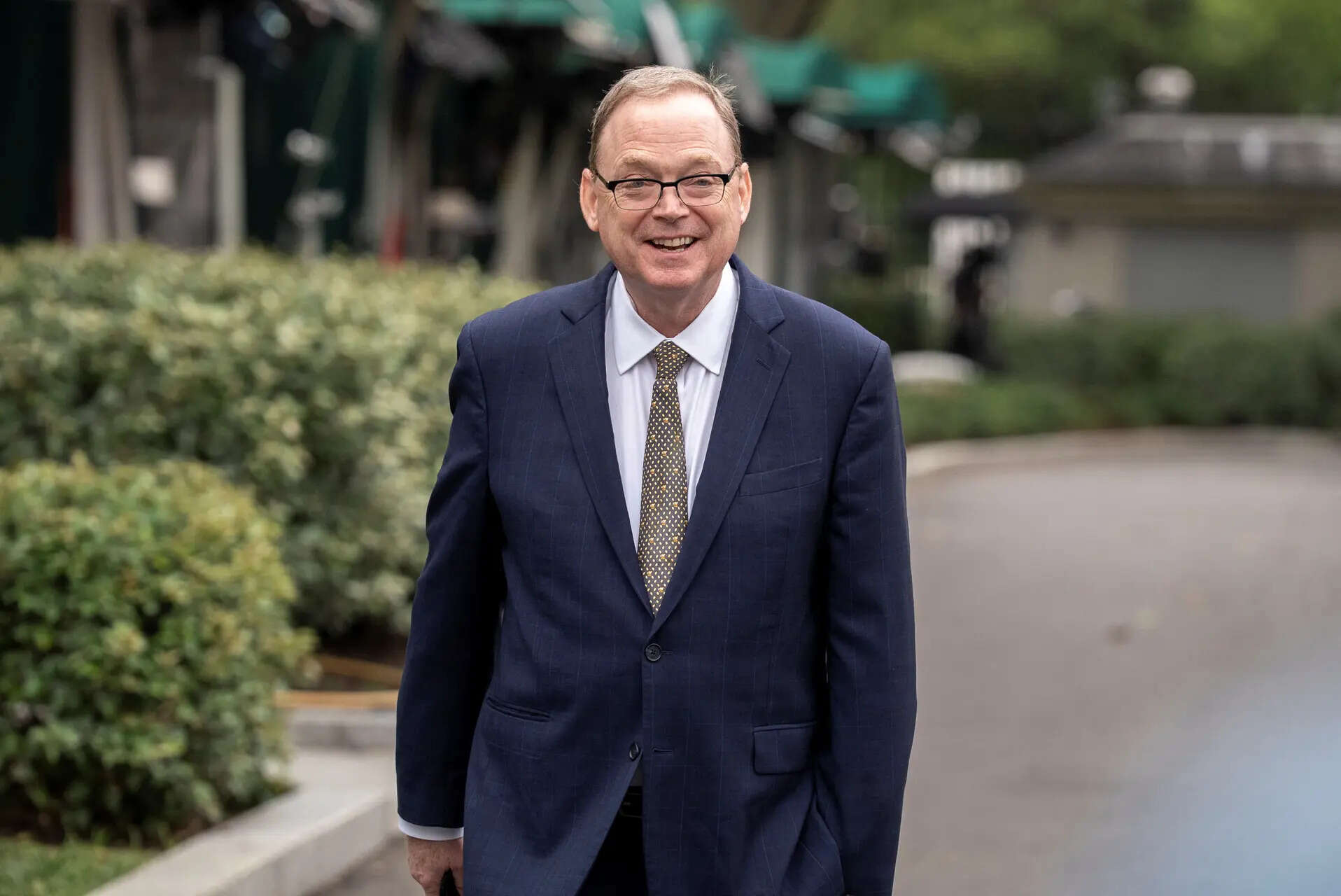

The prospect of Hassett Federal Reserve Chair has stirred significant interest in financial markets and economic forecasting. If Hassett is confirmed as Chair, initial projections suggest that both U.S. Treasury rates and the dollar value may experience a temporary decline, before a potential recovery emerges. Market analysts are closely monitoring the Hassett nomination impact, particularly as it pertains to changes in Federal Reserve policy. The first quarter of next year will be pivotal, with expectations adjusting as Hassett’s economic outlooks are revealed. As the U.S. economy shows signs of stabilization, the subsequent adjustments in U.S. Treasury rates and the dollar are anticipated to positively affect stock performance, marking a crucial phase for investors.
The potential appointment of Hassett to lead the Federal Reserve has generated considerable discourse about upcoming shifts in monetary policy. This development could trigger significant fluctuations in U.S. Treasury rates and the strength of the dollar, particularly in the early stages of his tenure. Analysts are evaluating the ramifications of the Hassett nomination, focusing on how it could reshape economic forecasts and influence investor behavior. With a new chair at the helm, changes within the Federal Reserve may lead to adjustments in market expectations and asset valuations. Understanding these dynamics is essential for navigating the evolving financial landscape in anticipation of a post-nomination era.
Impact of Hassett’s Potential Nomination on U.S. Treasury Rates
If Kevin Hassett assumes the role of Federal Reserve Chair, economic experts predict an initial decline in U.S. Treasury rates. The factors influencing this include market reactions to Hassett’s dovish economic perspectives, which could initially create uncertainty among investors. If his approaches are perceived as too lenient, reactions in the bond markets may lead to a price drop in Treasury securities, causing a temporary increase in yields as investors adjust their expectations.
However, historical trends suggest that such initial dips could be followed by a rebound. As the market stabilizes, and if Hassett’s policies promote economic growth or restore investor confidence, Treasury rates could rise as demand for government bonds increases. This pattern highlights the complexity of how market expectations and economic fundamentals interact in the wake of significant leadership changes at the Federal Reserve.
Initial Dollar Value Fluctuations Under Hassett’s Leadership
The dollar value is expected to experience notable fluctuations if Hassett is confirmed as Federal Reserve Chair. Initially, there may be a dip in the dollar’s strength due to investors reacting cautiously to potential changes in monetary policy. This could lead to a temporary decrease in the dollar’s value relative to other currencies, especially if market sentiment leans towards risk aversion following his nomination.
Despite this initial setback, as economic forecasts are refined and the markets adjust to Hassett’s policies, the dollar could appreciate over time. If he successfully implements measures that enhance economic stability and growth, confidence in the dollar may be restored, resulting in a stronger currency. Investors will be closely watching his statements and actions, as these will provide insights into the longer-term trajectory of dollar value.
How Changes in Federal Reserve Policies Affect Markets
Changes in Federal Reserve policies significantly influence financial markets, including U.S. Treasury rates and equities. The markets often react swiftly to announcements regarding interest rate adjustments or shifts in monetary policy stance, which can alter investor sentiment and asset valuations. Under Hassett’s potential Chairmanship, if the policies lean more toward encouraging growth through lower rates, we might see an initial bullish sentiment in stock markets, despite short-term volatility in Treasury rates and the dollar.
Investor perception plays a crucial role in the performance of financial markets. If investors believe that Hassett’s policies will foster an environment conducive to economic expansion, it could lead to increased capital inflow into equity markets, subsequently boosting stock prices. Yet, caution will prevail as uncertainties regarding the sustainability of this growth linger, particularly if there’s a perceived risk of eroding the Fed’s independence through political influences.
Hassett’s Dovish Outlook and Economic Recovery
Hassett’s dovish outlook regarding monetary policy could bring mixed reactions in the market. On one hand, a dovish approach typically favors lower interest rates and a more accommodating monetary policy, which can stimulate economic growth and encourage consumer spending. This may create a positive environment for stocks and lead to gradual improvements in U.S. Treasury rates and dollar value as the economy gains momentum.
Conversely, if market participants interpret his dovish stance as a signal for a lack of independence from political direction, this could create short-term turbulence. Investors may initially react by offloading Treasuries, leading to rising yields and challenging conditions in the bond market. Thus, the balance Hassett must strike between fostering growth and maintaining credibility will be critical in shaping economic forecasts and market performance moving forward.
Market Expectations Leading Up to 2026
As the confirmation process for Hassett unfolds, market expectations will play a pivotal role in shaping economic projections. The first quarter of 2026 could be particularly telling; investor sentiments will likely be influenced heavily by any signals from Hassett regarding future Federal Reserve policies. Depending on his discourse, the markets may react with either optimism or caution, particularly concerning U.S. Treasury rates and the dollar.
In periods leading up to his potential appointment, speculation about Hassett’s views on economic growth and inflation could create volatility in asset prices. Should he adopt a narrative that reinforces confidence in U.S. economic recovery, we could see a stabilization and potential growth trajectory for both Treasury rates and the dollar. Financial analysts and investors will be keen to gauge his statements for indications of broader economic trends, making the months leading up to his nomination crucial.
Navigating Economic Forecasts amid Leadership Changes
Significant changes in leadership at the Federal Reserve, such as Hassett taking the helm, necessitate agile navigation through economic forecasts. Analysts and investors alike will be scrutinizing new economic data and Fed communications to adjust their projections dynamically. Initial reactions might encompass heightened volatility as markets digest the implications of Hassett’s leadership style on longstanding economic policies.
The interconnectedness of the economy means that any alterations to interest rates will reverberate through various sectors, impacting everything from consumer finance to corporate investments. Should Hassett implement measures that are perceived to enhance economic stability, positive forecasts could emerge, ultimately leading to improved sentiment regarding U.S. Treasury rates and the dollar’s strength. Nonetheless, the road to clear forecasts will undoubtedly have its bumps as the market seeks clarity amid evolving policies.
Investor Sentiment and the Role of the Fed
Investor sentiment is often swayed by the perception of Federal Reserve actions and the overall economic landscape. With Hassett’s nomination potentially on the horizon, the interplay between political influences and economic fundamentals will be closely monitored. Initial reactions could lead to a cautious investing climate, especially if the prospect of sustained low U.S. Treasury rates leads to a scramble for yield elsewhere.
As these dynamics unfold, the Federal Reserve’s role will be pivotal in shaping morale among investors. The better the communication regarding monetary policy strategy, the higher the likelihood of fostering confidence and stability in markets. If investors feel reassured about the independence of the Fed and its commitment to combating inflation while promoting economic growth, we could witness sustained improvements in both U.S. Treasury rates and the dollar’s value.
The Transition of Leadership at the Federal Reserve
The transition of leadership at the Federal Reserve is always a significant event that sends ripples through the financial markets. As Hassett’s tenure potentially begins, the approach he takes towards monetary policy will be under intense scrutiny. Market players are particularly sensitive to the actions and language of new leadership, as these elements can substantially influence both short-term and long-term financial conditions.
Under Hassett’s guidance, any shifts in policy will not only affect the U.S. Treasury rates but also could reshape the dollar’s valuation on the global stage. An effective transition, marked by clear, confident communication of policy intentions, may help stabilize surrounding economic forecasts and restore confidence among investors. The ability to navigate this transition successfully will be crucial for immediate market responses and longer-term financial health.
Analyzing the Broader Economic Implications of Hassett’s Chairmanship
Hassett’s possible ascent to Federal Reserve Chair could have far-reaching implications for the structure of U.S. financial and economic frameworks. As he crafts his policy agenda, the relationship between fiscal stimulus and economic recovery will come into play. This will no doubt be a focus for economists and investors as they analyze how his leadership will influence key indicators such as Treasury rates and dollar strength.
Furthermore, the broader economic implications of his policies could redefine market expectations regarding inflation and growth. If executed effectively, his strategies have the potential to restore faith within the markets, thereby stabilizing U.S. Treasury rates while enhancing the dollar’s global standing. Observers will be eager to assess how his leadership dovetails with ongoing economic challenges, especially as recovery efforts continue to unfold.
Frequently Asked Questions
What impact will the Hassett nomination for Federal Reserve Chair have on U.S. Treasury rates?
CICC’s research suggests that if Hassett becomes Federal Reserve Chair, U.S. Treasury rates may initially fall due to market adjustments and expectations of his policies. However, this decline could be temporary, as rates are likely to rise again as the economy stabilizes and investor confidence grows.
How might the dollar value change if Hassett is appointed as Federal Reserve Chair?
According to studies, following Hassett’s nomination as Federal Reserve Chair, the dollar may experience an initial drop in value. This decline could be short-lived, with expectations of recovery as the market adapts to his economic forecasts and the broader economic context.
What are the economic forecasts under Hassett’s leadership as Federal Reserve Chair?
If Hassett is confirmed as Federal Reserve Chair, economic forecasts indicate that while there may be a short-term decline in U.S. Treasury rates and the dollar, his eventual policies could foster growth that leads to a recovery in these financial indicators.
How does the Hassett nomination impact market expectations for the Federal Reserve?
The Hassett nomination as Federal Reserve Chair is anticipated to create significant shifts in market expectations. Early statements from him will be crucial; dovish comments might lead to initial declines in U.S. Treasury rates, but a balanced approach could restore confidence, leading to eventual rate increases.
What timeline should we expect for Hassett’s nomination and confirmation as Federal Reserve Chair?
The timeline for Hassett’s potential appointment as Federal Reserve Chair includes his initial nomination to the Federal Reserve Board and Senate confirmation, followed by his consideration for Chair. This process is critical as it may begin influencing U.S. Treasury rates and the value of the dollar in early 2026.
What potential risks do investors face with Hassett’s nomination for Federal Reserve Chair?
Investors may face risks associated with Hassett’s potential dovish stance, which could lead to volatility in U.S. Treasury rates and the dollar’s value. Concerns regarding the ‘loss of independence’ of the Federal Reserve could also impact investor sentiment during the early months of his tenure.
How do U.S. Treasury rates and the dollar relate to Hassett’s potential actions as Federal Reserve Chair?
U.S. Treasury rates and the dollar’s value are likely to be influenced by Hassett’s potential actions as Federal Reserve Chair. Initial reactions may involve fluctuations, but longer-term trends will depend on how his policies unfold and their effectiveness in supporting economic growth.
| Key Points |
|---|
| CICC indicates potential reactions in U.S. Treasury rates and the dollar if Hassett becomes the Chair |
| Initial drop in U.S. Treasury rates and dollar value is expected before recovery. |
| Positive impact on U.S. stocks is anticipated despite initial declines. |
| Timeline shows Chair nomination process starting in early 2026 and confirmation by May 2026. |
| The first quarter of 2026 will be crucial for market expectations based on Hassett’s early statements. |
| Possible temporary declines in Treasury rates and dollar if viewed as too dovish, linked to the economy’s restoration. |
Summary
If Hassett becomes Federal Reserve Chair, significant shifts in U.S. Treasury rates and the dollar are anticipated, initially leading to declines before a potential rebound. This situation underlines the market’s sensitivity to leadership changes and economic signals as Hassett is confirmed through the nomination process expected to conclude by mid-2026. Such dynamics are critical, particularly in shaping investor expectations and responding to economic conditions, making his chairmanship a pivotal point for U.S. economic policy.
Related: More from Market Analysis | Earnings season is wrapping up with a mixed bag of results across | Polymarket Bet Fails to Catch Insider Traders