
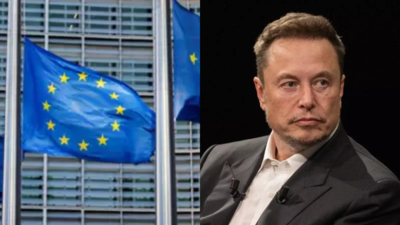

Elon Musk EU Fine is making headlines today as the controversial entrepreneur expressed his outrage over the European Union’s staggering €120 million penalty imposed on his social media platform, X. Musk’s fierce criticism highlights not only the financial burden on his business but also the broader implications for American companies navigating the complex landscape of EU regulations. In a recent post on X, Musk declared the fine as “absurd,” calling for a response from both himself and his supporters against what he perceives as unjust actions by EU officials. This incident adds to the growing discourse surrounding EU tech fines and the increasing scrutiny faced by American firms operating within Europe. As the debate continues, questions arise about the future of social media penalties and their impact on innovation in the tech industry globally.
The recent ruling involving Elon Musk and the hefty fine levied by the European Union has sparked significant discussion about regulatory challenges for tech giants. This situation, where X is subjected to such tax implications, underscores the tensions between American entrepreneurs and European authorities concerning compliance and fairness. Critics argue that these exorbitant penalties are detrimental to innovation, especially as they disproportionately impact companies based in the United States. As debates unfold regarding how to navigate social media governance, the case is a prime example of the potential pitfalls that arise when American companies attempt to expand into the European market. The broader implications of such fines resonate through the tech industry, raising concerns about future trade relations and regulatory practices.
Elon Musk’s Stance on EU Fines
Elon Musk has made headlines once again, this time for his strong reaction to the European Union’s decision to levy a hefty €120 million fine on his social media platform, X. He publicly expressed his discontent, stating that such penalties not only seem excessive but also ridiculous, especially considering his individual case. Musk’s critique goes beyond just the financial implications as he believes that the EU’s actions constitute a personal attack against him. His call for abolishing the EU reflects a larger sentiment among many who feel that the European regulatory landscape is increasingly harsh towards American enterprises, particularly in the tech sector.
Musk’s response to the fine is emblematic of a growing tension between American tech giants and European regulators. As the climate for digital businesses shifts in Europe, many entrepreneurs are voicing concerns over punitive measures that seem designed to restrict competition and innovation. Through his platform X, Musk is not only reacting to this specific fine but is also rallying the sentiment against what he perceives as overreach by EU officials. By painting the penalty as an absurdity, Musk is positioning himself as a defender of entrepreneurial spirit, challenging the EU to reconsider its stance towards American companies operating within its jurisdiction.
Understanding the Broader Implications of EU Tech Fines
The recent €120 million fine imposed on X is a significant illustration of the growing scrutiny faced by tech companies in Europe, often perceived as an attempt to balance the playing field for local businesses. As American companies like X become entrenched in European markets, the regulatory environment is evolving to impose stricter rules and hefty fines for non-compliance. This has sparked discussions about whether such actions are fair or an attempt to curb American influence in the tech ecosystem. High-profile fines have become a hallmark of EU strategy, aiming to address issues such as data privacy, misinformation, and market monopolization.
Moreover, the EU’s aggressive stance towards American tech firms is raising alarms in Washington, as highlighted by the U.S. government’s condemnation of such actions. There are concerns that these fines may not just be regulatory measures but also economic weapons aimed at undermining the competitive advantages held by U.S. companies. If the EU continues down this path, as suggested by President Trump’s comments, it could lead to retaliatory tariffs and further exacerbate the already tense transatlantic relationship. The backdrop of Musk’s reaction to the fine underlines the complexities of navigating regulatory landscapes while trying to sustain growth and innovation in a global market.
The Consequences for American Companies in the EU
As the European Union steps up its enforcement against American technology firms, the consequences for these businesses could be profound. Companies like X are already finding it challenging to operate under the uncertainty created by potential fines and regulatory changes. The imposition of a €120 million fine serves as a warning not just to Musk but to all tech entrepreneurs who may wish to expand into European markets. Such hefty penalties could deter future investment, as companies reassess their risk management strategies and compliance protocols to avoid further scrutiny.
The perception that the EU is targeting American companies adds another layer to these challenges. As firms grapple with complex regulations that vary from one jurisdiction to another, the fear of punitive measures is forcing them to reconsider their operational strategies in Europe. This situation can stymie innovation and development as companies become more focused on compliance rather than growth. Musk’s determination to fight back against what he views as arbitrary penalties reflects a growing unease among tech leaders, who see the EU’s regulatory framework as a potential roadblock to their ambitions.
Elon Musk’s Vision for Global Tech Regulation
In light of recent events, Elon Musk is advocating for a rethinking of global tech regulations. His criticism of the EU fine reflects a broader concern that existing regulations may be insufficiently flexible to accommodate the rapid evolution of technology. Musk envisions a world where innovation and technology development can proceed without the weight of extensive regulatory overreach. He argues that in order to foster a thriving digital marketplace, regulators must adapt their approaches to be more aligned with the pace of technological change.
Musk’s call for reconsidering the EU’s regulatory framework is not just about defending his platform but is also an appeal for a more collaborative approach between policymakers and the tech industry. The challenge lies in finding a balance that ensures consumer protection without stifling innovation. Musk’s vision promotes an environment where creativity and new ideas can flourish, free from fear of punitive actions that potentially arise from misunderstandings of new technology or market dynamics. Through his outspoken views, he encourages global conversations about how to navigate the intricacies of tech governance.
The Role of Social Media Platforms in Modern Politics
Social media platforms like X play an integral role in modern politics, serving as both communication tools and battlegrounds for discourse. With figures like Elon Musk at the helm, these platforms are not merely spaces for social interaction but are influential in shaping political narratives and public opinion. The sharp reactions to penalties, such as the €120 million fine from the EU, illustrate how social media can amplify voices and mobilize support, echoing the sentiments of users who may feel similarly aggrieved by regulatory actions.
However, the responsibilities that come with this influence are equally significant. Social media companies are increasingly scrutinized for their roles in governance and the dissemination of information. As they navigate complex political landscapes, they must tackle challenges related to misinformation, data privacy, and user engagement without falling afoul of regulatory bodies. Musk’s public outrage against the EU fine signifies a larger conversation about the ethics of governance and accountability in the digital age, particularly as it pertains to the leveraging of social media for political purposes.
The EU’s Regulatory Framework: A Challenge for Innovation
The European Union’s regulatory framework is often cited as a double-edged sword; it aims to protect consumers and promote fair competition but can also stifle innovation among tech firms. Musk’s recent criticisms highlight the discontent that American companies feel toward what they perceive as bureaucratic hurdles. As EU regulations continue to evolve, tech firms grapple with compliance issues that take resources away from development and innovation, compelling them to reassess their strategies.
Additionally, as the EU sets the tone for global regulatory standards, other regions may follow suit, which could further complicate the landscape for American companies. The resulting implications could deter technological advancements, as firms become more focused on avoiding penalties rather than pursuing groundbreaking projects. Musk’s vocal stance against EU fines signals an urgent need for dialogue between regulators and the tech industry to create a regulatory environment that fosters growth and adapts to new challenges.
Potential Repercussions of Musk’s Defiance Against the EU
Elon Musk’s defiance against the EU’s regulatory measures could have potentially far-reaching consequences not just for him, but for the broader tech industry. By openly challenging the legitimacy of the fine imposed on X, Musk risks escalating tensions between American tech giants and European regulators. Such a confrontation could provoke a series of retaliatory actions, affecting not only his platform but potentially drawing in other companies that may find themselves in similar predicaments.
The ramifications of Musk’s comments may also translate into policy changes and heightened scrutiny for social media platforms across the board. Should his backlash resonate with other industry leaders, it could spark a united front against restrictive regulations, changing how the EU engages with American companies. As debates continue over the balance of power and responsibility in the tech realm, the potential for Musk’s actions to instigate a broader revolution in tech regulation cannot be underestimated.
Responding to the EU’s Regulatory Landscape
In light of the growing pressure from European regulators, tech companies must devise strategic responses to the evolving regulatory landscape. With significant fines such as the €120 million imposed on X, organizations face the urgency to adapt and innovate within a framework that can be detrimental to their operational efficiency. Crafting proactive compliance strategies while advocating for more reasonable regulations could enable these companies to manage risks effectively and maintain momentum in global markets.
Engagement with regulators presents another layer of complexity. As Musk’s situation indicates, companies may need to adopt more diplomatic channels to voice their concerns over punitive measures. By fostering dialogue with regulators, tech firms can advocate for clearer guidelines, ensuring that they are not only punitive but also constructive. Ultimately, successful navigation of the EU’s regulatory landscape will hinge on understanding and influencing policy while remaining committed to innovation and ethical business practices.
Frequently Asked Questions
What prompted the Elon Musk EU fine of €120 million against X?
The €120 million fine against X, Elon Musk’s social media platform, was imposed by the European Union due to allegations of non-compliance with EU regulations. This fine highlights the growing trend of EU tech fines directed towards American companies for not adhering to strict EU policies.
How has Elon Musk responded to the EU fine on X?
Elon Musk publicly criticized the EU’s decision to impose a €120 million fine on his platform X, calling the fine ‘absurd’ and suggesting that the EU should be abolished. He plans to address the EU officials involved in the decision to penalize both his company and himself personally.
What are the implications of the EU fine on American companies like X?
The EU fine on X is indicative of a broader pattern of social media penalties that American companies face in Europe. This situation has drawn attention from the U.S. government, which views these fines as targeted attacks on American businesses operating within the EU.
What are the criticisms surrounding the EU’s tech fines, specifically concerning Elon Musk?
Critics argue that the EU’s tech fines, including the recent €120 million fine against Elon Musk’s X, represent an overreach that disproportionately affects American companies. Musk himself labeled the fine as ridiculous and a reflection of arbitrary regulatory practices by the EU.
How does the U.S. government view the EU’s fine imposed on Elon Musk’s X?
The U.S. government has condemned the EU’s fine on X, interpreting it as a targeted measure against American technology firms. The U.S. administration has indicated potential retaliatory actions, including tariffs, if the EU continues to impose heavy penalties on American companies.
| Aspect | Details |
|---|---|
| Fine Amount | €120 million |
| Elon Musk’s Response | Musk criticized the fine, expressing it as ‘ridiculous’ and advocating for the EU’s abolition. |
| Personal Impact | Musk stated that he is personally fined alongside X, indicating the absurdity of the situation. |
| U.S. Government Reaction | The U.S. condemned the fine, viewing it as anti-American and threatening tariffs against the EU if this continues. |
| U.S. Political Comment | Former President Trump voiced similar sentiments, warning of repercussions if the EU persists in its actions. |
Summary
The Elon Musk EU Fine has sparked significant controversy, with Musk vehemently criticizing the European Union’s decision to impose a hefty €120 million penalty on his platform X. His remarks reflect a broader frustration with perceived governmental overreach and a call for reevaluation of the EU’s regulatory measures on American tech firms. This situation highlights the growing tensions between U.S. innovators and European regulators.
Related: More from Regulation & Policy | UK Gambling Regulator Examines Cryptocurrencies for Licensed Bettors in Crypto Regulation | Blocks Retreat Signals Broader Payments Shifts