

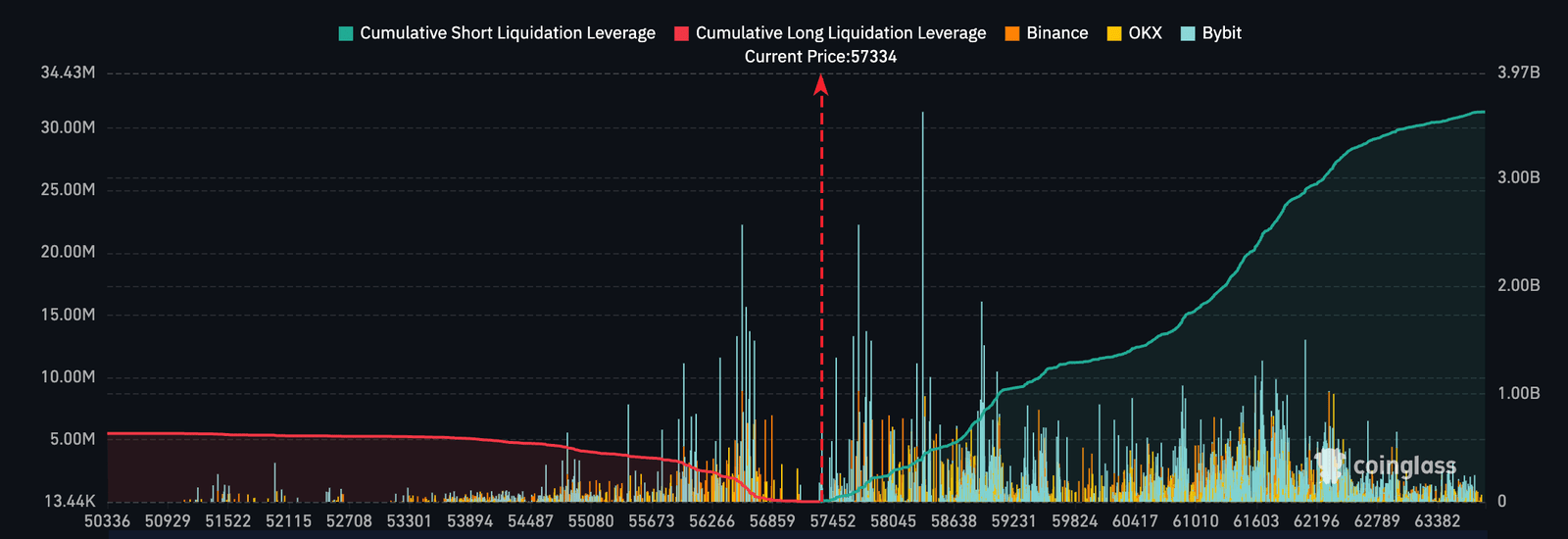

Bitcoin liquidations have become a hot topic in the ever-evolving cryptocurrency landscape, particularly as recent market fluctuations have resulted in significant trading disruptions. In the last four hours alone, over $100 million worth of crypto market liquidations has swept through, underscoring the volatility that defines Bitcoin market trends. According to liquidation statistics reported by Coinglass, Bitcoin liquidations accounted for approximately $44.89 million, highlighting the pressures faced by traders in today’s tumultuous environment. Meanwhile, the broader context reveals that Ethereum liquidations also played a role, totaling $19.22 million, further emphasizing the intricate dynamics of the crypto markets. Stay tuned for the latest cryptocurrency news as we delve deeper into how these trends impact future investments and market stability.
In the cryptocurrency realm, the phenomenon of forced liquidations is drawing increasing attention, particularly regarding the abrupt shifts in trading positions suffered by investors. With a staggering $112 million liquidated across the board recently, it’s evident that the crypto space is riddled with uncertainty and risk. The substantial Bitcoin sell-offs, alongside Ethereum’s liquidation events, illustrate the chilling effects of market volatility on traders’ portfolios. As we explore the data behind these developments, it becomes crucial to understand the implications for future market behavior and investor strategies. The landscape of digital currencies continues to evolve, demanding that participants remain vigilant and informed about liquidation trends and their wider impact.
Overview of Recent Bitcoin Liquidations
In the past four hours, the cryptocurrency market has experienced significant liquidations, amounting to over $100 million. Among these, Bitcoin liquidations have played a pivotal role, totaling an alarming $44.89 million. This surge in cancellation of long positions is a direct result of volatile market trends, which have driven traders to quickly exit their positions to minimize losses. As Bitcoin prices fluctuate, many investors are grappling with the implications, highlighting the need for strategic risk management in this unpredictable landscape.
Recent data from Coinglass serves as a crucial indicator for investors as it shows that the broader crypto market is in a state of flux. Total liquidations have also included substantial losses from long and short positions, with $90.64 million from longs and $21.22 million from shorts. This volatility not only impacts Bitcoin liquidations but also casts shadows on other major cryptocurrencies such as Ethereum, which underwent liquidations amounting to $19.22 million. Traders are eager for insights as they navigate these tumultuous waters.
The Impact of Liquidation Statistics on Crypto Market Trends
The vast amount of liquidation statistics can serve as valuable indicators of current market conditions. The staggering $112 million in total liquidations indicates a sharp correction in pricing, prompting many to speculate on the future moves of Bitcoin and Ethereum. Investors who are closely monitoring Bitcoin market trends often use these liquidation events to assess market sentiment and volatility, which can serve as leading indicators for both bullish and bearish trends. Understanding these statistics can equip traders with the knowledge they need to position themselves effectively.
Moreover, the ongoing liquidation events draw attention to the need for improved risk management among traders. With major news outlets reporting continuously on these figures, it’s apparent that liquidity is a fundamental component of the cryptocurrency ecosystem. Investors should not only keep an eye on Bitcoin liquidations but also be cognizant of the wider implications for the crypto market, including potential cascading effects on Ethereum and other altcoins. As the market reacts to the latest crypto market liquidations, seasoned traders will be looking for patterns to inform their next steps.
Understanding Liquidations in the Context of Cryptocurrency News
The cryptocurrency space is rife with volatility, and recent liquidation events have made headlines, drawing significant attention to the overarching trends influencing the market. For instance, the liquidation of over $100 million in various cryptocurrencies offers a snapshot of the current trading environment. Traders and enthusiasts alike should pay close attention to cryptocurrency news outlets which provide timely updates on these activities. The attention brought on by these statistics can often impact trading strategies, as investors assess risk versus reward in an increasingly unpredictable marketplace.
Additionally, tracking Bitcoin and Ethereum liquidations through credible news sources allows traders to make informed decisions based on the most recent data. The interconnectedness of these assets means that when Bitcoin liquidations rise sharply, it can result in a domino effect throughout the crypto market. This underscores the necessity for market participants to stay updated on liquidation statistics and other related news that could influence cryptocurrency valuations in real-time. Understanding the broader implications of liquidations can help traders better navigate the complexities of market trends.
The Role of Risk Management in Cryptocurrency Trading
Given the events leading to significant Bitcoin liquidations, it becomes increasingly evident that risk management is essential for any trader in the crypto market. With over $100 million in liquidations occurring in such a short timeframe, those investing in cryptocurrencies need to adopt strategies that minimize their exposure to extreme market volatility. Effective risk management practices can involve setting stop-loss orders, diversifying investments, and maintaining a keen awareness of market indicators. These measures can help safeguard capital and prevent the emotional decision-making that often comes with unexpected market movements.
Moreover, educating oneself on the various factors that influence liquidation events can further bolster a trader’s ability to navigate the complexities of the market. As mentioned, with Bitcoin liquidations outpacing Ethereum, it’s crucial for traders to analyze what drives these discrepancies and how they can influence their trading positions. Regularly reviewing liquidation statistics, understanding market dynamics, and responding appropriately can greatly improve outcomes. The most successful traders are those who not only react to the news but also use it strategically to enhance their trading endeavors.
Identifying Trends Through Liquidation Data
Examining liquidation data is an invaluable practice for traders attempting to identify emerging trends in the cryptocurrency market. With the latest reports indicating staggering amounts of liquidations, particularly in Bitcoin, traders can glean insights into investor behavior and market sentiment. By analyzing these patterns over time, investors can begin to recognize cycles of accumulation and distribution, which are indicative of broader market shifts. Notably, understanding these trends can aid investors in making more informed decisions about when to enter or exit positions.
Furthermore, the intersection of Bitcoin liquidations and other relevant data, such as Ethereum liquidations, can paint a clearer picture of the overall state of the market. When significant liquidations occur alongside major news in the cryptocurrency space, investors may encounter indicators that signal either a temporary setback or a lasting trend. As such, staying attuned to both liquidation statistics and the underlying factors driving these movements can prove advantageous. Traders who can anticipate market shifts based on liquidation data stand to experience better outcomes in an often turbulent marketplace.
Market Reaction to Liquidation Events
The ripple effects of liquidation events extend beyond mere statistics; they significantly influence market psychology and participant behavior. Following the recent report of $112 million in liquidations, traders witnessed heightened activity throughout the crypto market, resulting in marked shifts in pricing and sentiment. The psychological impact of knowing that many investors are exiting their positions can create a sense of urgency—heightening volatility as traders react impulsively. Thus, understanding the broader market dynamics surrounding liquidation events is crucial for anyone looking to trade successfully in this space.
Moreover, liquidity can often become tighter as market participants anticipate further price declines, which can exacerbate conditions for additional liquidations. Traders are often torn between shorting into bearish pressure and the risk of liquidating their own positions when market sentiment turns negative. Navigating these scenarios requires not only an awareness of current liquidation statistics but also a strategic mindset that balances risk with potential return. This intricate interplay exemplifies how important it is for traders to monitor market conditions closely during times of significant liquidation.
Future Outlook of Bitcoin and Ethereum Amidst Liquidation Events
As the cryptocurrency landscape witnesses ongoing liquidation events, the future outlook for Bitcoin and Ethereum remains a topic of intense speculation. The sheer volume of recent liquidations suggests that market corrections could lead to more significant shifts in price dynamics. Analysts caution that while these movements may create buying opportunities, they also pose substantial risks for investors unprepared for potential downturns. Understanding market trends related to liquidation statistics is essential for traders looking to forecast future price movements appropriately.
Moreover, the interplay between Bitcoin and Ethereum during liquidation events can reveal critical trends that inform the larger cryptocurrency ecosystem. As both currencies react to market pressures, investors can derive insights into overall network health and investor confidence. Keeping an eye on subsequent liquidation statistics in conjunction with broader market developments will be crucial in determining the trajectory of these influential cryptocurrencies. Ultimately, adapting to the fluid nature of the market will be vital for traders aiming to navigate these unpredictable times.
Learning from Liquidation Events: Best Practices
The recent spike in Bitcoin and Ethereum liquidations serves as a potent reminder for traders about the importance of learning from these market events. Each liquidation event provides a wealth of information that can help inform future trading strategies. Best practices include comprehensively analyzing why the liquidations occurred, what external factors contributed to sudden volatility, and how they could impact trading positions moving forward. This reflective approach can create a foundation for more resilient trading strategies that withstand market fluctuations.
Additionally, enhancing one’s trading toolkit with knowledge derived from past liquidations can lead to improved decision-making. Traders could benefit from utilizing stop-loss orders, improving their market analysis, and refining their approaches to risk management based on past performance. As liquidations continue to occur within the crypto space, there remain countless opportunities for traders to adapt and refine their strategies; learning from these events is paramount to long-term success.
The Importance of Staying Informed in the Liquidation Landscape
In the fast-paced world of cryptocurrencies, staying informed is essential, particularly during periods of high liquidation activity. With $112 million in liquidations reported recently, traders must leverage available tools and resources to keep abreast of developments. Following cryptocurrency news outlets, subscribing to analytical platforms, and optimizing trading algorithms can provide real-time data that can make a significant difference in an investor’s approach during volatile times. Knowledge is power in the crypto world and can directly influence trading success.
Furthermore, setting up alerts for significant liquidation events can ensure that traders do not miss critical market shifts. Being notified instantly about substantial Bitcoin or Ethereum liquidations allows traders to react quickly, whether to cut losses, secure profits, or capitalize on new opportunities. The importance of being proactive rather than reactive cannot be understated. By cultivating a habit of staying informed, traders can enhance their decision-making processes and better navigate the complexities of the cryptocurrency market.
Frequently Asked Questions
What are Bitcoin liquidations and why do they matter in the crypto market?
Bitcoin liquidations occur when a trader’s position is automatically closed by an exchange after their losses exceed a specified threshold, typically due to adverse market movements. These events are significant as they indicate market volatility and can influence Bitcoin market trends, affecting the broader crypto market.
How do Bitcoin liquidations impact the overall cryptocurrency market?
Bitcoin liquidations can have a pronounced effect on the entire cryptocurrency market. When significant liquidations occur, such as over $44 million recently recorded, they can lead to increased market volatility and influence the direction of other cryptocurrencies, including Ethereum liquidations.
What recent statistics show about Bitcoin liquidations in the crypto market?
Recent liquidation statistics revealed that Bitcoin liquidations reached $44.89 million out of a total of $112 million across the network within just 4 hours. This highlights the volatility in Bitcoin trading and the potential ripple effects on related cryptocurrencies.
How does the trend of liquidations vary between Bitcoin and Ethereum?
Data from the latest cryptocurrency news indicates a notable distinction in liquidation amounts; while Bitcoin liquidations were approximately $44.89 million, Ethereum liquidations stood at about $19.22 million. This comparison illustrates differing market conditions and trader behavior between these leading cryptocurrencies.
What can traders do to manage risks related to Bitcoin liquidations?
To manage risks related to Bitcoin liquidations, traders should employ risk management strategies such as setting stop-loss orders, diversifying their portfolio, and keeping abreast of Bitcoin market trends to anticipate potential volatility in cryptocurrency prices.
Where can I find detailed information on Bitcoin liquidations and market statistics?
For comprehensive information on Bitcoin liquidations and related market statistics, check platforms like Coinglass that provide real-time liquidation data, including breakdowns of long and short positions in the crypto market.
What influences the frequency of Bitcoin liquidations in the crypto market?
The frequency of Bitcoin liquidations tends to vary based on market volatility, trader sentiment, and significant price movements. External factors, such as economic news or regulatory developments, can also trigger increased liquidations in the Bitcoin market.
Why are high levels of Bitcoin liquidations concerning for crypto investors?
High levels of Bitcoin liquidations can signal instability and increased risk within the crypto market. For investors, a surge in liquidations, like the $44.89 million reported recently, may indicate potential price drops and trigger a cautious approach to investing in cryptocurrencies.
| Asset | Total Liquidations ($) | Long Positions Liquidations ($) | Short Positions Liquidations ($) |
|---|---|---|---|
| Bitcoin | 44.89 million | N/A | N/A |
| Ethereum | 19.22 million | N/A | N/A |
| Total Network | 112 million | 90.64 million | 21.22 million |
Summary
Bitcoin liquidations have played a significant role in the recent surge of liquidations across the crypto market. In just four hours, total liquidations reached an alarming $112 million, with Bitcoin alone accounting for $44.89 million. This highlights the volatile nature of the cryptocurrency market, where investors often find themselves caught off guard by rapid market movements. Understanding these liquidations is crucial for traders as they can indicate market trends, investor sentiment, and potential future price movements.
Related: More from Bitcoin News | Bitcoin Fork Proposal Fails to Gain Support | Analysts Diverge on Bitcoins Five in Bitcoin