

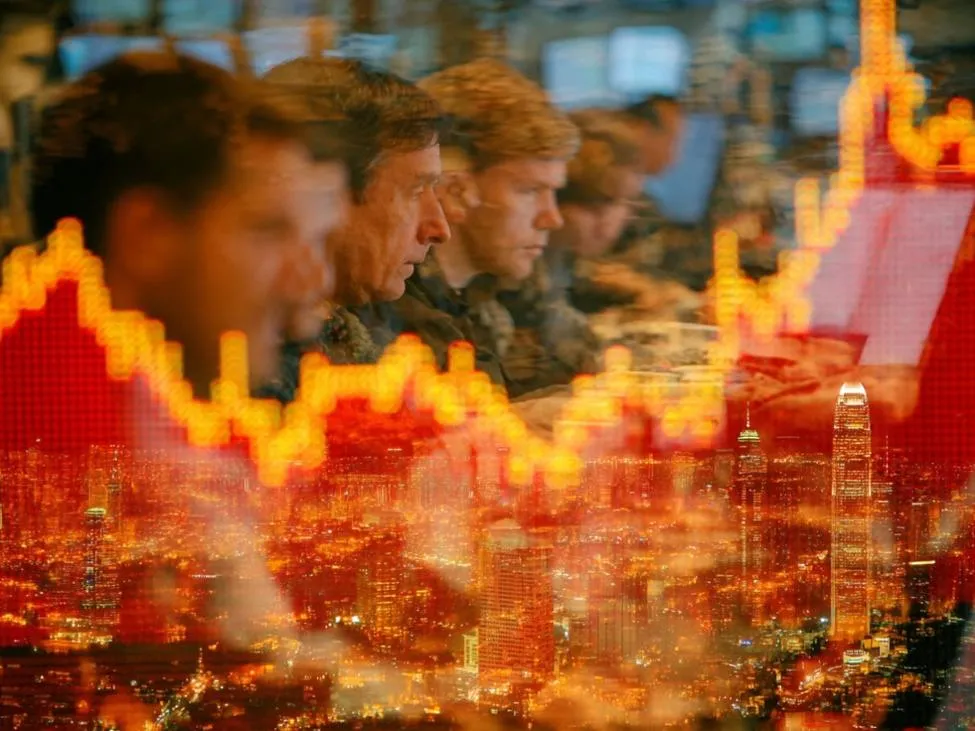

Forex traders on notice as leverage and volatility elevate risk across currency markets A wave of renewed risk advisories is reminding FX participants that leveraged currency trading can quickly amplify losses. With liquidity patchy and macro uncertainty still high, traders are being urged to stress‑test strategies, reassess risk tolerance, and seek independent advice before deploying capital.
Why this matters for FX right now
Leverage is the defining feature of retail forex, but it cuts both ways. In fast markets, small price swings in the dollar, euro or yen can translate into outsized P&L moves, margin calls, and account wipeouts. That risk becomes more acute when volatility jumps—often around data releases, central bank communications, or geopolitical headlines—while wider spreads and slippage can further erode trade outcomes.
Key points
- Leverage magnifies losses as well as gains; even minor FX moves can trigger large drawdowns.
- Volatility and thin liquidity around key macro events can widen spreads and increase slippage.
- Risk profiling is essential; only trade with money you can afford to lose and set predefined loss limits.
- Independent research and advice should complement blogs, news, and signal services—not replace due diligence.
- Past performance does not predict future results; backtests and track records are not guarantees.
- Broker due diligence and understanding of margin policies help prevent surprises during market stress.
How leverage can accelerate losses
FX brokers allow positions many times larger than account equity. A 1% move in EUR/USD against a 30:1 leveraged position can wipe out a significant portion of capital in minutes. Add in execution frictions—such as gap risk over weekends or during data prints—and realized results can deviate sharply from plan. Sensible position sizing, stop-loss discipline, and realistic expectations are the primary defenses.
Market context: volatility and liquidity still in flux
Currency markets remain sensitive to the macro cycle—rate expectations, inflation surprises, and growth signals. When risk appetite deteriorates, the dollar often firms as a haven and cross-asset volatility rises, challenging carry and momentum trades. Conversely, periods of calm can compress implied FX volatility but may lull traders into excessive leverage. Seasonality, holidays, and off-peak hours can thin liquidity, increasing the probability of outsized price jumps.
Risk management playbook for FX traders
– Calibrate position sizes to account equity and volatility; avoid “all-in” trades. – Use stop-loss and take-profit orders, and predefine maximum daily or weekly loss limits. – Diversify exposures; avoid correlated positions that amplify the same macro bet. – Stress-test strategies across different volatility regimes and widening spread scenarios. – Maintain sufficient free margin to absorb adverse moves and potential gaps. – Keep a trading journal to monitor slippage, spread costs, and behavioral biases.
Disclosures, independence, and why they matter
Market commentary, trading blogs, and social feeds can be informative but should be treated as general information, not investment advice. Compensation from advertisers or affiliates may influence how products are presented by some publishers. Investors should verify claims, understand fee and margin policies, and consult independent financial or tax professionals as needed. BPayNews encourages readers to weigh multiple sources before making trading decisions.
FAQ
Is forex trading suitable for everyone?
No. FX is a high-risk, leveraged market. Traders should evaluate objectives, experience, and risk tolerance, and only risk capital they can afford to lose.
How does leverage affect forex trading?
Leverage magnifies both gains and losses. Small currency moves can produce outsized P&L swings, potentially leading to rapid drawdowns or margin calls.
Can I lose more than my initial deposit?
Depending on broker protections and local regulations, it is possible. Understand margin policies, negative balance protection, and liquidation procedures before trading.
Do blogs, signals, or social media provide investment advice?
Typically, they offer general commentary or educational content. Treat them as inputs for your own analysis rather than as personalized advice.
Does past performance guarantee future results?
No. Backtests and historical track records do not predict future performance, especially across different volatility and liquidity conditions.
What steps help manage risk in FX?
Use conservative leverage, set stop-losses, manage position sizes, diversify, keep adequate free margin, and reassess exposure ahead of major data or policy events.
How should I vet a forex broker?
Check regulatory status, client fund protections, margin rules, execution quality, typical spreads and slippage, and the availability of negative balance protection.
Related: More from Market Analysis | Crypto Worries Over Iranian Oil Supply: Is It Overhyped? in Crypto Market | Insider Traders Profit $1.2M Before US Iran Strike in Crypto Market