


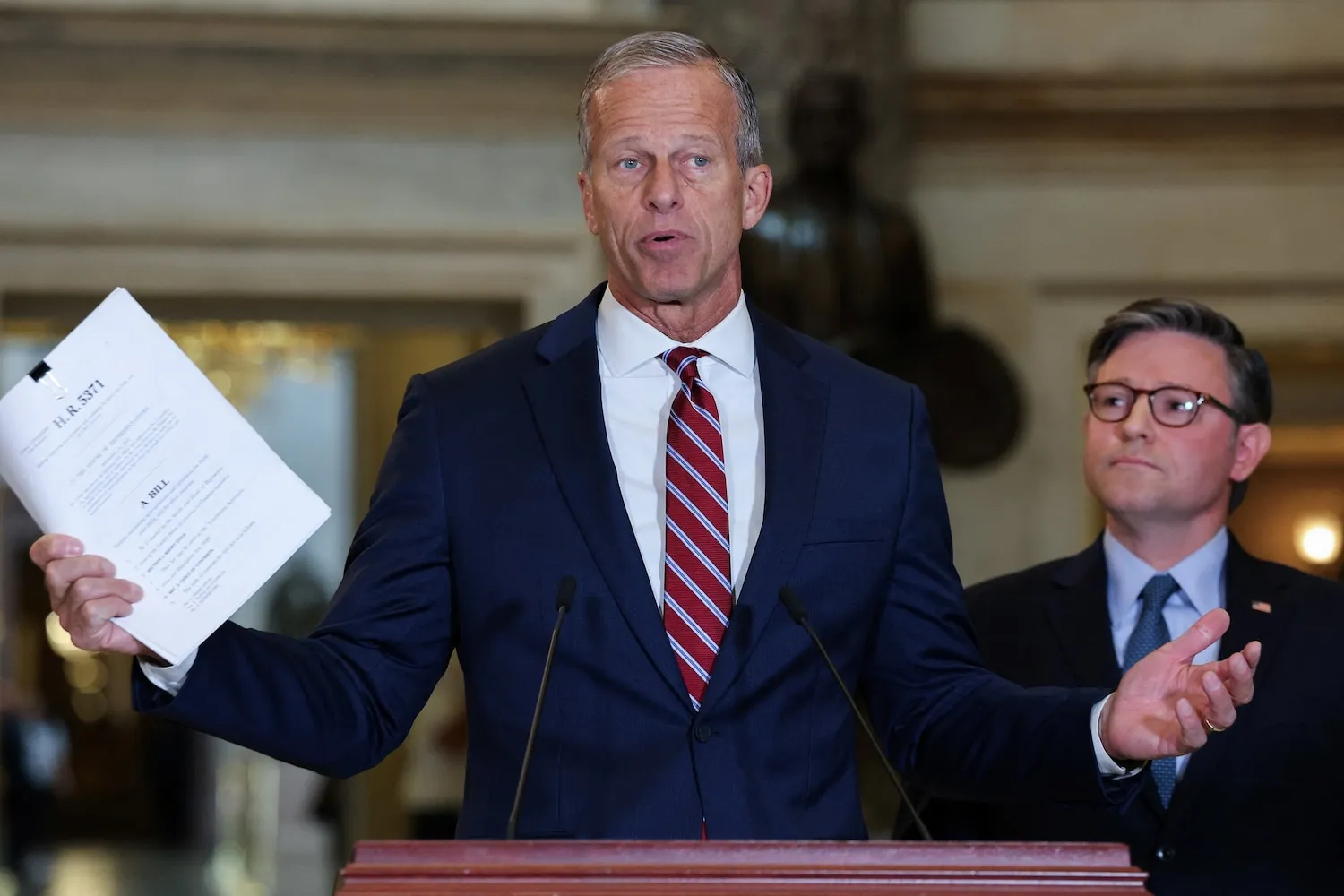

The U.S. government is set to remain in a shutdown state as the Senate recently rejected multiple stopgap funding bills proposed by both parties. On the 3rd, lawmakers faced off over partisan disagreements that prevented any immediate resolution, leading to frustration among government employees and citizens alike. The ongoing impasse is primarily driven by differing priorities and budgetary disagreements between Democrats and Republicans, who have been unable to agree on a continuing resolution that would fund essential government services.
A government shutdown occurs when Congress fails to pass necessary funding legislation, resulting in non-essential federal services and agencies halting operations, leaving many workers furloughed without pay. The most recent proposals presented by both parties aimed to provide temporary funding to keep the government running while negotiations continued. However, neither initiative garnered sufficient support to advance through the Senate, prolonging uncertainty for many Americans who rely on government services.
This is not the first government shutdown the country has faced, and historically, such standoffs can have widespread effects, disrupting everything from public safety to national parks. As the stalemate continues, both parties will need to find common ground quickly to avoid worsening the situation. With the shutdown now extending into next week, pressure is mounting for lawmakers to reach a compromise that restores government operations and alleviates the burden on millions of citizens affected by the temporary closure.
Related: More from Regulation & Policy | US Court Sets Deadline for Sam Bankman | WLFI Cryptocurrency Investigation: What House Democrats Uncover