
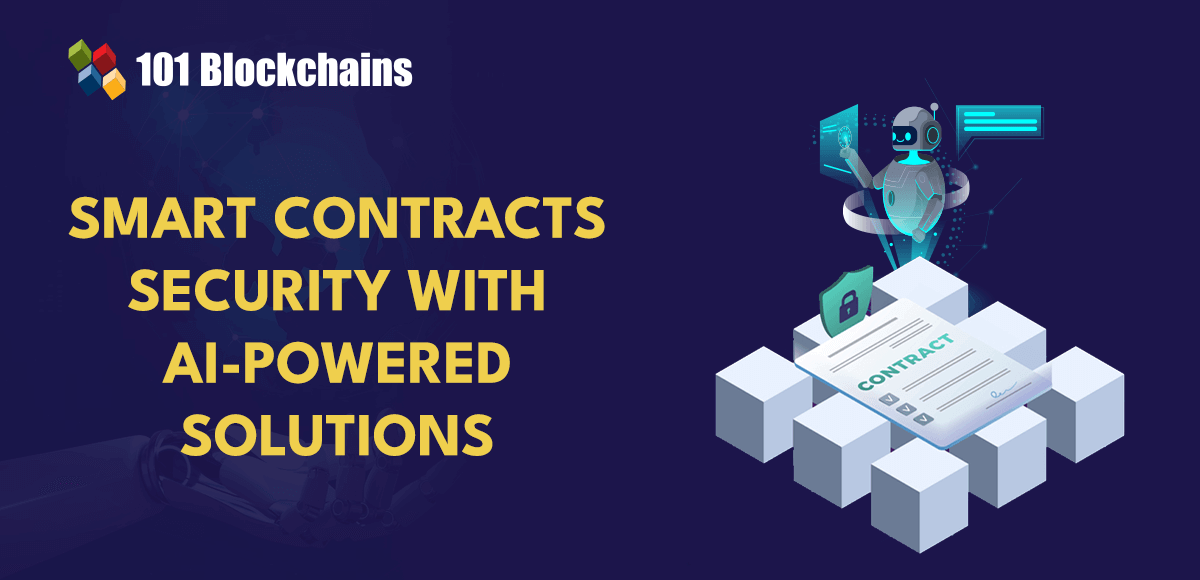

AI Smart Contract Security is rapidly transforming the landscape of decentralized finance (DeFi), offering innovative solutions to combat the escalating threat of smart contract vulnerabilities. As the adoption of cryptocurrency continues to rise, so does the prevalence of DeFi exploits, exposing critical weaknesses in blockchain technology. The integration of AI in cybersecurity not only enhances the detection of these vulnerabilities but also automates the monitoring process, making it far more efficient. By leveraging artificial intelligence, developers can identify potential risks before they lead to costly breaches, safeguarding digital assets against malicious actors. In this evolving environment, understanding the mechanisms of AI Smart Contract Security is essential for anyone engaged in crypto investments or protocol development.
In the realm of decentralized finance, automated security measures are becoming increasingly vital as the risks associated with blockchain exploitation grow. The role of machine learning in safeguarding smart contracts has emerged as a crucial line of defense, particularly against the backdrop of rising vulnerabilities that can be exploited within financial protocols. Concepts like automated vulnerability assessment and AI-driven threat detection are paving the way for a more resilient cryptocurrency landscape. With the costs associated with DeFi breaches skyrocketing, deploying intelligent systems to preemptively identify security flaws is essential. This heightened focus on AI-enhanced defenses underscores the need for ongoing vigilance in the face of evolving cyber threats.
The Rise of AI Smart Contract Security
In recent years, the landscape of smart contract security has undergone a significant transformation, with AI-driven innovations becoming a driving force behind more robust security measures. As decentralized finance (DeFi) protocols evolve, the challenge of securing smart contracts against exploits escalates. AI smart contract security not only automates the process of vulnerability detection but also introduces efficiencies that traditional methods cannot match. This allows developers to prioritize securing their codes proactively, especially as the threats posed by malicious actors grow alongside advancements in artificial intelligence.
Introduced as a powerful tool in the arsenal of cybersecurity, AI smart contract security helps mitigate risks associated with smart contract vulnerabilities. These vulnerabilities present opportunities for exploits that can drain liquidity and compromise user assets. By employing AI systems to persistently scan and assess smart contracts throughout their lifecycle, developers can identify weaknesses before they are exploited. This systematic approach ensures that developers remain a step ahead of potential attackers, maintaining the integrity of decentralized platforms.
Frequently Asked Questions
How can AI Smart Contract Security address DeFi exploits?
AI Smart Contract Security leverages advanced technology to identify and mitigate vulnerabilities that could lead to DeFi exploits. By automating the discovery of smart contract vulnerabilities, AI enhances the security framework for decentralized finance, helping to protect user assets and maintaining trust within the ecosystem.
What are common smart contract vulnerabilities that AI can help prevent?
AI in Smart Contract Security can identify various vulnerabilities such as reentrancy attacks, access-control failures, and improper state transitions. By continuously testing contracts and providing immediate feedback, AI tools can help developers rectify these vulnerabilities before deployment, significantly enhancing cryptocurrency security.
How does AI improve cryptocurrency security in decentralized finance?
AI improves cryptocurrency security in decentralized finance by automating vulnerability assessments and exploit simulations. By rapidly scanning smart contracts for weaknesses and generating proof-of-concept attacks, AI enables developers to strengthen smart contract security and reduce the risk of successful exploits.
What role does AI play in identifying smart contract vulnerabilities?
AI plays a crucial role in identifying smart contract vulnerabilities by utilizing machine learning models to analyze contract logic, detect anomalies, and simulate exploit conditions. This process allows security teams to discover zero-day vulnerabilities and improve the overall resilience of decentralized applications.
Why is it important to integrate AI-driven security measures in the CI/CD pipeline for smart contracts?
Integrating AI-driven security measures in the CI/CD pipeline is essential for smart contracts because it allows for real-time vulnerability testing and fixes before code reaches the mainnet. This proactive approach not only strengthens the contract’s integrity but also reduces the potential for costly exploits in decentralized finance.
What are the consequences of neglecting AI Smart Contract Security in DeFi projects?
Neglecting AI Smart Contract Security in DeFi projects can lead to significant financial losses due to successful attacks exploiting known vulnerabilities. As attackers increasingly leverage AI to automate exploit discovery, projects that rely solely on human audits may find themselves unprotected against sophisticated threats, potentially endangering user funds.
How can smart contract developers leverage AI to mitigate risks in their projects?
Smart contract developers can leverage AI by employing automated testing tools that utilize machine learning algorithms to detect vulnerabilities early in the development process. This integration helps ensure that contracts are robust against attacks, ultimately fostering higher confidence in decentralized finance solutions.
What are the latest advancements in AI for Smart Contract Security?
The latest advancements in AI for Smart Contract Security include enhanced machine learning models capable of simulating complex smart contract interactions and identifying previously unknown vulnerabilities. These advancements allow for quicker response times and more effective defenses against emerging DeFi exploits.
How does automated AI testing compare to traditional methods in smart contract audits?
Automated AI testing significantly speeds up the audit process compared to traditional methods by quickly identifying vulnerabilities through simulation and analysis of smart contract codes. While manual audits are essential, AI provides a complementary layer of security that enhances the overall effectiveness of audits in decentralized finance.
What future trends can we expect in AI Smart Contract Security?
Future trends in AI Smart Contract Security are likely to include even more sophisticated vulnerability detection techniques, increased automation in the auditing process, and broader integration of AI tools across all stages of smart contract development. As the technology evolves, we can expect more comprehensive frameworks to combat the growing threats in DeFi.
| Key Point | Details |
|---|---|
| Automated Exploit Discovery | AI agents can now exploit smart contracts for as low as $1.22, transforming security dynamics in DeFi. |
| Capability of AI Agents | Anthropic’s AI learned to autonomously conduct multiple exploit strategies by simulating attacks without risking real assets. |
| Cost of Vulnerability Discovery | The average cost of identifying a vulnerable contract is approximately $1,738, which emphasizes viability for attackers. |
| Economics of Exploitability | The potential financial return on exploiting vulnerabilities continues to grow, doubling every 1.3 months. |
| Automation vs Human Auditors | AI can discover exploits in under an hour, compared to human auditors, which could take significantly longer. |
| Critical Countermeasures | Adopting AI-driven testing and shortening response cycles are vital to remain competitive against AI-enabled threats. |
| Future Implications | As AI technology continues to evolve, both offensive and defensive strategies must adapt to secure digital assets effectively. |
Summary
AI Smart Contract Security is becoming increasingly important as automated exploit discovery tools become available at extremely low costs. The emergence of AI agents that can effectively imitate professional attackers presents a new challenge in safeguarding digital assets. With the ability to autonomously exploit vulnerabilities at a fraction of current auditing costs, security protocols must evolve rapidly to integrate AI-driven testing. This not only emphasizes the need for continuous security measures but also highlights the importance of responding quickly to vulnerabilities that AI can discover faster than human auditors. Ultimately, the proactive adoption of AI tools is essential for achieving robust smart contract security in a rapidly evolving digital landscape.
Related: More from Regulation & Policy | Anthropic Founder Critiques Pentagons Choice as Unprecedented in Crypto Regulation | UK Gambling Regulator Examines Cryptocurrencies for Licensed Bettors in Crypto Regulation