
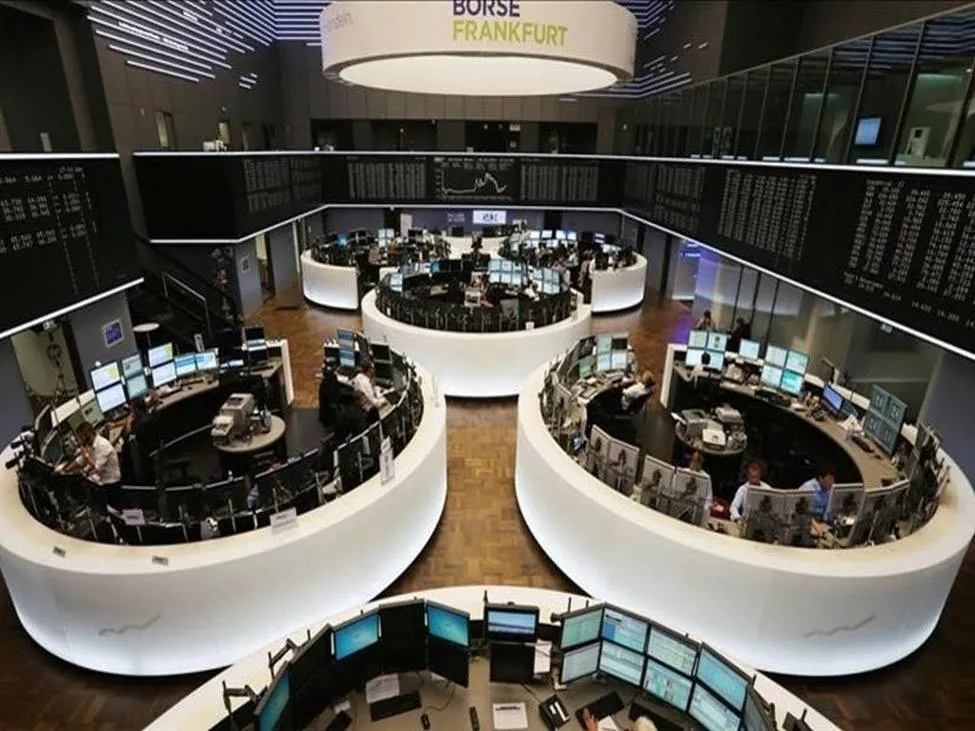

Asia stocks nudge higher, crypto snaps back as traders eye Fed cuts and ADP jobs pulse Asian equities edged higher and major crypto tokens bounced, with Bitcoin up sharply from recent lows, as traders positioned ahead of the U.S. ADP employment report and leaned into hopes that the Federal Reserve will move closer to rate cuts. Risk appetite improved modestly across markets, though investors remain selective as liquidity and macro visibility evolve.
Risk appetite firmer ahead of U.S. jobs data
The session opened on a cautiously positive footing in Asia, mirroring a broader improvement in global risk sentiment. A roughly 5% rebound across crypto majors and a 20% recovery in Bitcoin from its trough have helped stabilize speculative appetite after recent drawdowns. In FX, attention is squarely on the ADP print and its implications for the Fed path; a softer labor pulse would reinforce the market’s rate-cut narrative, with potential knock-on effects for the dollar, yields, and cross-asset volatility.
Key points
- Asian stocks rose cautiously as traders focus on U.S. ADP jobs data and renewed Fed rate-cut hopes.
- Crypto markets rebounded, with Bitcoin up about 20% from recent lows; broader tokens gained around 5%.
- Options on the IBIT Bitcoin product climbed to the 9th most active in the U.S., surpassing gold ETFs.
- Bitcoin options activity is now rivaling flows in macro bellwethers like VIX and SPY, underscoring BTC’s crossover appeal.
- The SEC halted 2x–3x leveraged ETFs amid risk-limit concerns, affecting issuers including Direxion and ProShares.
- Retail traders underperform funds by about 1.2% per year, with excessive trading widening the gap.
- Nuclear energy equities remain a hot thematic trade, linked to AI demand growth and climate objectives.
- Only 36% of U.S. millionaires say they feel wealthy; many now peg “wealthy” at roughly $2.3 million.
- Women estimate retirement needs anywhere from $500,000 to $2 million-plus, with many worried about outliving savings.
Crypto derivatives move center stage
Options tied to the IBIT Bitcoin vehicle have surged into the U.S. top 10 by activity, surpassing long-established gold ETF peers. Strong engagement in BTC options, rivaling flows in VIX and SPY, suggests Bitcoin is being used more like a macro asset—both as a risk proxy and a hedge. This shift matters for FX and global stocks: rising crypto-liquidity cycles can amplify risk-on/off swings that spill over into currencies with high beta to global growth. Bitcoin’s 20% climb off the lows comes as some institutional strategists look ahead to potential new highs by 2026, though skeptics argue the current bull phase could be the last strong cyclical upswing. For traders, options pricing around key strikes is likely to steer short-term volatility, especially into U.S. labor and inflation updates.
SEC freezes leveraged ETF launches
The U.S. Securities and Exchange Commission has halted 2x–3x leveraged ETFs, citing risk-limit concerns for products referencing volatile assets, including digital tokens. The pause affects providers such as Direxion and ProShares and may dampen short-term speculative flows that typically amplify intraday swings in equities, commodities, and crypto-linked baskets. Reduced access to leverage can also temper FX carry and risk cycles if cross-asset enthusiasm ebbs.
Behavioral finance: the performance gap
A fresh reminder for retail investors: traders underperform diversified funds by roughly 1.2% annually, and frequent trading magnifies the shortfall. In a macro backdrop where policy turns hinge on incremental data, disciplined position sizing and rebalancing often beat market timing. Meanwhile, the nuclear energy theme continues to attract structural capital, a play on resilient power demand from AI infrastructure and net-zero policy tailwinds.
Wealth perception and retirement anxieties
Only 36% of millionaires report feeling “wealthy,” with respondents broadly shifting the wealth bar higher to around $2.3 million as inflation erodes purchasing power. For retirement planning, women’s estimates span $500,000 to more than $2 million, and many fear outliving savings—especially those who tap accounts early and incur penalties. These dynamics—higher perceived wealth thresholds and savings anxiety—can translate into persistent demand for income assets and defensives, shaping portfolio flows across FX, equities, and commodities.
What to watch next
– U.S. ADP employment: a softer read could firm rate-cut bets, pressure the dollar, and support risk assets; a stronger print risks the reverse. – BTC options dynamics: elevated open interest and strike clusters may drive near-term volatility and spill over into growth-sensitive FX. – Regulatory signals: any additional SEC guidance on leverage or digital-asset products could reshape liquidity conditions across risk assets.
FAQ
Why did Asian stocks edge higher today?
Asian equities tracked a cautious risk-on tone as traders positioned for the U.S. ADP jobs report and leaned into hopes that the Fed will move closer to rate cuts, supporting sentiment across equities and crypto.
How does the ADP report affect FX markets?
ADP is a timely pulse on U.S. employment. A softer print typically boosts Fed rate-cut expectations, which can weigh on the dollar and support risk-sensitive currencies. A stronger read can do the opposite by reinforcing higher-for-longer policy risk.
What is the significance of Bitcoin options rivaling VIX and SPY flows?
It shows Bitcoin’s growing role as a macro trading vehicle. When BTC options activity approaches traditional hedging benchmarks, it signals broader institutional participation and stronger linkages between crypto volatility and cross-asset risk sentiment.
What did the SEC do with leveraged ETFs?
The SEC halted 2x–3x leveraged ETFs on risk-limit grounds, affecting issuers such as Direxion and ProShares. The pause could reduce speculative leverage and dampen short-term market swings in equities and crypto-linked exposures.
Are traders still underperforming funds?
Yes. Data show retail traders underperform diversified funds by about 1.2% per year on average, with high turnover widening the gap. A rules-based approach often improves outcomes, especially in data-driven macro tapes.
Why is nuclear energy a hot theme for investors?
Nuclear names benefit from structural demand for reliable baseload power, rising AI-related electricity needs, and decarbonization targets. These long-term drivers have supported the theme through macro noise.
How much do people now consider “wealthy” in the U.S.?
Perceptions have shifted higher, with many respondents pointing to roughly $2.3 million as the new wealth threshold. Only about 36% of millionaires report feeling wealthy, reflecting inflation’s impact on purchasing power.
What are the key retirement concerns for women investors?
Women’s estimates of needed retirement savings range from $500,000 to over $2 million, and many worry about outliving their assets. Early withdrawals, which can trigger penalties, intensify the challenge and underscore the value of long-term planning. This report was produced by BPayNews for market participants seeking concise, data-driven insight across FX, equities, and crypto.
Related: More from Market Analysis | Crypto Worries Over Iranian Oil Supply: Is It Overhyped? in Crypto Market | Insider Traders Profit $1.2M Before US Iran Strike in Crypto Market

