
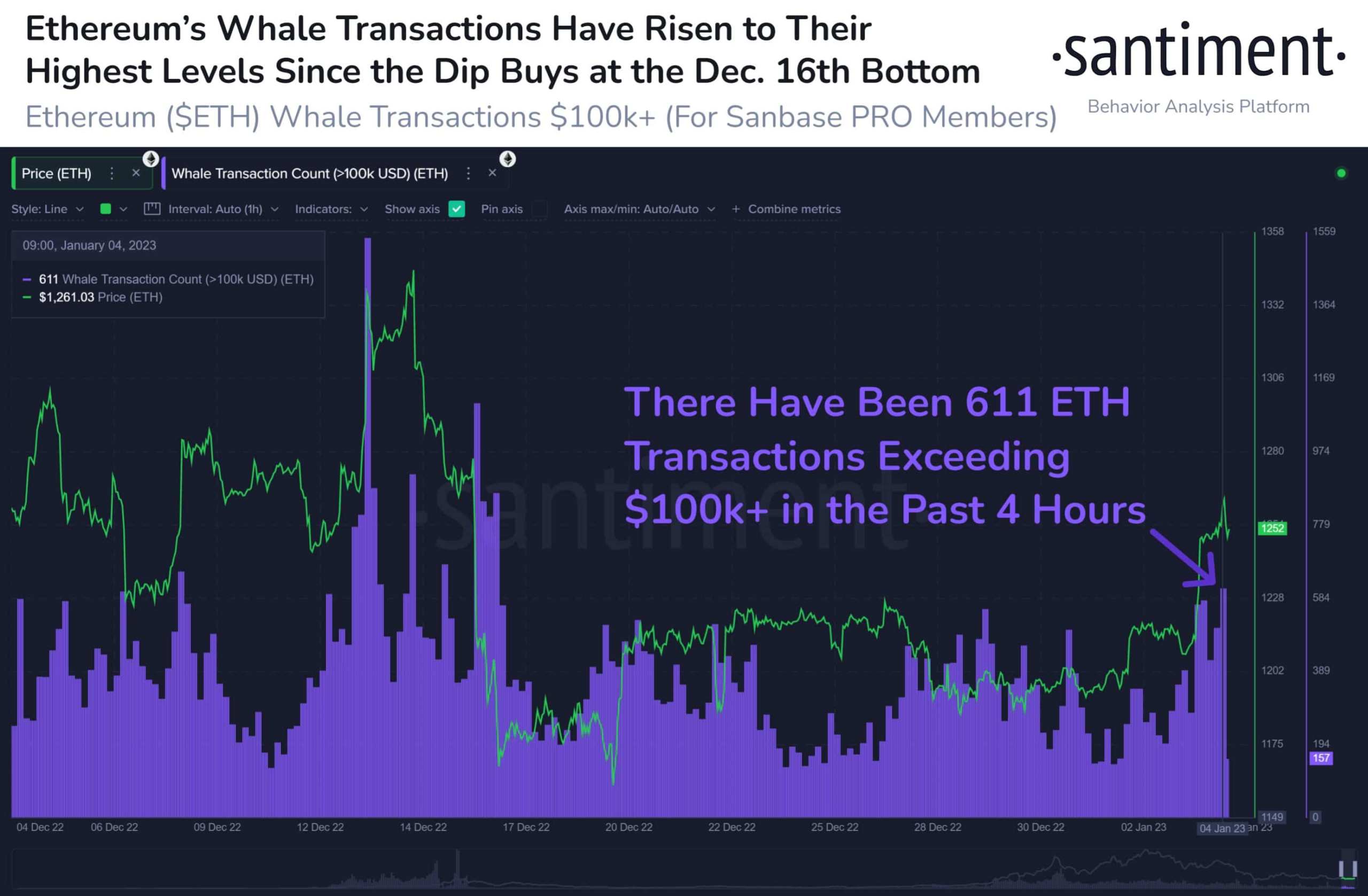

Whale ETH transactions are making waves in the crypto market news, as significant sales and purchases by major holders can greatly influence Ethereum trading activity and ETH price fluctuations. Recently, a notable whale identified as 0x3aFE sold 1,900 ETH at a peak price of $4,574 on August 25, raising a staggering $8.69 million. This high-profile transaction caught the attention of blockchain monitoring platforms that track whale activities, providing valuable insights into market dynamics. Just today, this same entity re-entered the market, acquiring back 2,017 ETH at a much lower price of $3,061, highlighting the volatility inherent in crypto assets. Investors and analysts alike are keenly observing such movements, as they can signal trends and potential price shifts in Ethereum’s ever-evolving landscape.
In the realm of cryptocurrency, transactions involving large-scale holders, often referred to as”whales,” are crucial for understanding market trends. These prominent figures engage in actions that can sway trading strategies and investment decisions across the Ethereum network. Recently, a striking example of whale behavior was documented when a certain address sold a substantial amount of ETH at a peak value, only to buy back a larger quantity at a lower price shortly thereafter. Such maneuvers emphasize the interconnectedness of whale activity with ETH price fluctuations and the importance of vigilant blockchain monitoring. As the cryptocurrency market continues to develop, keeping an eye on these transactions can provide a window into the future movements of Ethereum and its ecosystem.
Recent Whale ETH Transactions Impact Crypto Market Dynamics
Whale ETH transactions have always intrigued investors and traders in the crypto market due to their potential influence on price movements. On August 25, a significant event occurred when a whale entity, recognized as 0x3aFE, sold off 1,900 ETH at a peak price of $4,574. This strategic move not only brought in approximately $8.69 million but also demonstrated the tendency of whale activity to sway market sentiments and create ripples that can affect Ethereum trading dynamics. Such operations are closely monitored as they often precede notable ETH price fluctuations, signaling potential buying or selling opportunities for smaller investors.
Following the sell-off, the same whale made a savvy buy-back today, acquiring 2,017 ETH for $3,061, resulting in an investment of approximately $6.17 million. This transaction sheds light on the importance of blockchain monitoring tools like Lookonchain, which track significant addresses and their trading actions. As the crypto market grapples with volatility, such whale activities become critical flashpoints in assessing market trends, guiding traders in their strategies, and forecasting potential price movements.
Understanding Whale Activity in Ethereum Trading
Whale activity in Ethereum trading can significantly alter the competitive landscape of the crypto market. The recent multi-million dollar transactions undertaken by whale 0x3aFE highlight the strategic maneuvers of large holders in managing their Ethereum assets. Whales often possess the capacity to impact ETH price fluctuations with their large-scale buy or sell orders, leading to opportunities for retail investors who are keen on predicting market trends based on these movements.
Moreover, the comprehensive tracking of whale transactions through various blockchain monitoring tools has become vital for investors. Observing how whales react to market conditions can provide insights into potential future price movements of Ethereum and the overall crypto landscape. As seen with the transaction on August 25, where a sell-off occurred at peak value, traders can learn to anticipate market reactions based on historical patterns of whale activities.
The Role of Blockchain Monitoring in Tracking Whale Transactions
Blockchain monitoring has emerged as an essential tool for investors wanting to keep their finger on the pulse of whale transactions within the Ethereum network. By utilizing tools like Lookonchain, it becomes possible to track specific addresses and their movements, illustrating the ebb and flow of whale activities. The sale of 1,900 ETH by the whale 0x3aFE serves as a reminder of how these large holders can impact the market when they make sizeable transactions.
Furthermore, the insights garnered from blockchain monitoring allow traders to respond swiftly to sudden shifts in the market. The ability to visualize and analyze whale behavior can enhance strategic planning for both short-term and long-term investments in Ethereum. Increased transparency offered by decentralized networks fosters a communal approach to trading where information is shared, leading to a more informed trading community.
Analyzing ETH Price Fluctuations After Major Whale Transactions
ETH price fluctuations are often closely monitored in relation to whale transactions, as notable trades can lead to significant price swings. The transaction on August 25, when the whale sold ETH at a peak price, exemplifies how whale activities can create an immediate impact on the market. Following such transactions, prices may experience a downward trend or rally, depending on the market reaction and the overall sentiment surrounding Ethereum trading.
In the case of the whale’s recent buy-back, purchasing 2,017 ETH at a lower price point indicates a strategic shift that could suggest a bullish outlook for the crypto market. Analysts often evaluate these patterns to determine potential future movements in ETH price, assessing whether more buying pressure will follow or if additional selling might occur as the ecosystem reacts to whale activities.
The Psychology Behind Whale Trading Strategies in Ethereum
Understanding the psychology that drives whale trading strategies in Ethereum allows smaller investors to glean valuable insights into market trends. Whales, by virtue of their significant holdings, often employ various strategies to maximize their profits while minimizing risk. The decision made by 0x3aFE to sell 1,900 ETH at a high point reflects a practiced approach to market timing, capitalizing on price peaks to secure profits before engaging in a buy-back at a lower price point.
This behavioral analysis of whale trading provides key learnings for other traders. As the crypto market continues to evolve, understanding the motivations behind these significant trades can aid in forecasting future market movements and devising personal trading strategies. Recognizing that whales often operate with broader market trends in mind—essentially acting as trendsetters—can give smaller investors a tactical edge.
Implications of Whale Transactions for Smaller Investors
The transactions performed by whales have considerable implications for smaller investors operating within the Ethereum trading space. With substantial amounts of ETH changing hands, smaller investors often find themselves at the mercy of market fluctuations instigated by larger entities. For instance, the sale of 1,900 ETH at a peak price demonstrates how whale activities can skew market dynamics, presenting both challenges and opportunities for retail traders.
Nevertheless, while it may appear daunting, smaller investors can leverage information gleaned from whale transactions to inform their trading decisions. By closely monitoring the activities of significant holders, individuals can better time their own buy or sell decisions, potentially aligning with broader market trends initiated by whales. Therefore, understanding whale dynamics is not just an academic exercise; it’s a strategic necessity in today’s volatile crypto market.
Emerging Trends in Ethereum Trading Due to Whale Influence
The influence of whales has led to emerging trends in Ethereum trading, as their actions increasingly dictate market temperature. The significant sale of 1,900 ETH by whale 0x3aFE on August 25 serves as a landmark event that may shape trading behavior going forward. Observers are keenly aware that when whales react to market conditions—whether through selling at peaks or buying back at lows—it can lead to shifts in market confidence and trader participation.
Additionally, these trading patterns lead to a phenomenon where other traders may mimic whale behavior, further reinforcing trends. Understanding the correlation between whale transactions and market movements aids investors in identifying new opportunities and deciding when to enter or exit the market. As the Ethereum trading landscape evolves, such dynamics amplify the importance of whale activities in formulating responsive trading strategies.
Forecasting Future ETH Market Movements Based on Whale Activity
Forecasting future ETH market movements heavily relies on the understanding of current whale activity, such as the recent transactions made by whale 0x3aFE. The logic behind a whale’s decision—to sell when prices are high and subsequently buy when prices drop—provides a template that analysts can utilize to predict potential market trends. Patterns emerging from these significant transactions can often yield clues about where ETH prices may head in the near future.
Moreover, as more investors gravitate towards leveraging analytics for effective trading strategies, the importance of whale tracking cannot be overstated. Tools and systems dedicated to monitoring these large holders can provide real-time insights, enabling traders to enhance their decision-making process. The more adept traders are at connecting the dots between whale activities and ETH price fluctuations, the more successful they can be at navigating the complex terrain of the crypto market.
Frequently Asked Questions
What is a whale in ETH transactions and why is it important?
In the context of ETH transactions, a whale refers to an individual or entity that holds a large amount of Ethereum. Whale activity is significant because their trades can influence ETH price fluctuations, and monitoring these transactions is crucial for understanding market dynamics.
How do whale transactions impact Ethereum trading?
Whale transactions can have a profound effect on Ethereum trading as they often involve large buy or sell orders. For instance, when a whale sells a significant amount of ETH, like the 1,900 ETH sold on August 25, it can lead to a notable dip in price due to market reactions, creating opportunities for other traders.
What are the recent examples of whale activity in the crypto market?
Recent crypto market news highlighted whale activity when a large wallet, identified as 0x3aFE, sold 1,900 ETH at a peak price on August 25 and later bought back 2,017 ETH at a lower price, illustrating the strategic movements of whales in the market.
How can I monitor whale activity for ETH transactions?
You can monitor whale activity for ETH transactions through various blockchain monitoring tools like Lookonchain, which provide real-time insights into large trades. These tools help traders stay informed about significant sell or buy transactions that could affect ETH price and overall market trends.
What was the ETH price fluctuation related to the recent whale activity?
Following the sale of 1,900 ETH by whale 0x3aFE at a price of $4,574, there was a notable fluctuation in ETH price, eventually leading to the whale buying back 2,017 ETH at a much lower price of $3,061, reflecting the volatility often associated with whale transactions.
| Action | Amount of ETH | Price per ETH | Total Amount |
|---|---|---|---|
| Sold | 1,900 ETH | $4,574 | $8.69 million |
| Bought Back | 2,017 ETH | $3,061 | $6.17 million |
Summary
Whale ETH transactions are crucial in the crypto market, as demonstrated by a recent transaction where a giant whale sold 1,900 ETH at a peak price of $4,574 on August 25 and later bought back 2,017 ETH at a significantly lower price of $3,061. This strategic buy and sell not only illustrates the volatility of the market but also shows the potential for significant profit that whales can capture during price fluctuations.
Related: More from Market Analysis | Crypto Worries Over Iranian Oil Supply: Is It Overhyped? in Crypto Market | Insider Traders Profit $1.2M Before US Iran Strike in Crypto Market

