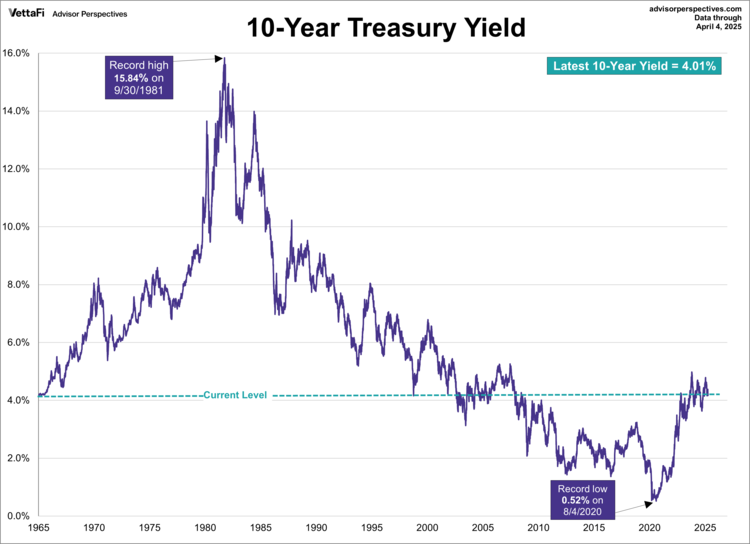

U.S. Treasury yields recently reflected a slight downturn, drawing the attention of market watchers as economic indicators loom on the horizon. With the spotlight on upcoming ADP employment data and ISM services data, financial analysts are keenly observing how these reports will influence investor sentiment. The yields on Treasury notes are pivotal indicators of economic health, impacting everything from mortgage rates to corporate borrowing costs. In today’s financial news, the two-year Treasury note yield dipped to 3.499%, while the ten-year note yielded 4.078%, suggesting cautious optimism among investors. This market analysis reveals the delicate interplay between economic indicators and Treasury yields as stakeholders eagerly await the latest data releases.
In the realm of finance, the performance of government debt securities, such as U.S. Treasury yields, serves as a barometer for market sentiment. As traders keep a close eye on labor market indicators like the ADP employment figures and industry activity reports like the ISM services data, the fluctuations in Treasury note yields offer insights into potential economic trends. These yields not only indicate the cost of government borrowing but also reflect investor confidence and economic forecasting. Recent decreases in the short- and long-term yields exemplify the market’s anticipation leading up to critical economic releases. Understanding these yield dynamics is essential for anyone engaged in financial markets, from seasoned investors to casual observers.
Understanding U.S. Treasury Yields Trends
U.S. Treasury yields play a pivotal role in the financial market, influencing everything from mortgage rates to corporate borrowing costs. The recent slight decline in these yields signals a cautious approach by investors, who are closely monitoring upcoming economic data releases, particularly the ADP employment figures and ISM services data. These indicators provide valuable insights into the health of the economy, and any surprises could impact market sentiment and Treasury yield movements significantly.
The behavior of Treasury note yields is often reflective of investor expectations regarding economic growth and monetary policy. For instance, when economic data such as the ISM services index points to weaker activity, it can nudge yields down as investors seek the relative safety of government bonds. Analysts like Michael Brown highlight the importance of these data points, emphasizing that upcoming reports will likely influence yields in forthcoming trading sessions.
Impact of ADP Employment Data on Market Sentiment
The ADP employment data is a key indicator in gauging the strength of the labor market and overall economic health in the U.S. It regularly sets the stage for market adjustments, particularly in relation to Treasury yields. A stronger-than-expected report could inspire confidence, potentially leading to rising yields as investors anticipate tighter monetary policy from the Federal Reserve. Conversely, disappointing employment figures could lead to declines in yields as fears of economic slowdown come to the forefront.
Market analysts utilize the ADP employment report not only for its implications on employment trends but also to assess its potential influence on the Federal Reserve’s next interest rate move. Thus, the data is instrumental in shaping financial markets, including the stock market and Treasury note yields. The connection between labor market performance and the broader economy makes this report crucial for traders and investors navigating the complexities of market analysis.
Analyzing ISM Services Data for Financial Insights
The ISM services data is another critical economic indicator that investors watch closely, as it reflects the performance of the services sector, which constitutes a substantial portion of the U.S. economy. A robust ISM services reading can bolster market sentiment, leading to increased confidence in economic growth, which in turn can push Treasury yields higher as the demand for safer assets diminishes. This interplay is vital for understanding shifts in the financial landscape.
The disappointment in this month’s ISM manufacturing reading has heightened attention toward the services index. Market participants are acutely aware that a lackluster performance in services could exacerbate concerns about economic growth, leading to further declines in Treasury yields. Therefore, accurate interpretation of the ISM services data becomes essential for strategizing investment moves in this volatile climate.
Current Trends in Treasury Note Yields
Recent trends in Treasury note yields reflect a broader sentiment of caution within the financial markets. Investors are keenly aware of various market signals, such as the movements of the two-year and ten-year Treasury notes, which recently saw slight declines amid increased anxiety about potential economic missteps. As noted figures like Michael Brown indicate, traders are holding their positions close, waiting to digest the upcoming ADP and ISM data.
This cautious behavior has fostered an environment where Treasury note yields can fluctuate in response to new information rather than broader economic forecasts alone. Such volatility can present both challenges and opportunities for investors. Engaging in detailed market analysis while keeping tabs on these yields gives investors a chance to react strategically to the financial news, ensuring they maintain a balanced portfolio amidst these changing dynamics.
Market Performance and Financial News Overview
In light of the recent news surrounding U.S. Treasury yields, the market has shown a characteristic hesitance towards investing aggressively. The focus on upcoming ADP employment data and ISM services figures has led many traders to adopt a more conservative stance, indicating a preference for a wait-and-see strategy until more concrete economic data is available. This approach reflects the critical nature of financial news in shaping investor decisions.
Moreover, real-time reactions to news reports can drive immediate shifts in market sentiment, making it essential for investors to stay updated with financial news. Each new piece of information can sway perceptions of economic stability and influence Treasury yields, thereby impacting overall market health. Staying informed thus becomes indispensable for navigating the complexities of trading in the current environment.
Frequently Asked Questions
How do U.S. Treasury yields react to ADP employment data?
U.S. Treasury yields tend to fluctuate based on the release of ADP employment data, as this report provides insights into job growth and can influence market expectations regarding interest rates and economic conditions.
What impact does ISM services data have on U.S. Treasury yields?
The ISM services data significantly affects U.S. Treasury yields as it reflects the health of the services sector, which is a major component of the U.S. economy. A strong ISM reading can lead to an increase in yields, signaling potential interest rate hikes.
Why did Treasury note yields decline recently?
Recently, Treasury note yields fell slightly as investors adopted a cautious approach ahead of key economic reports such as the ADP employment and ISM services data, signaling uncertainty regarding future economic conditions.
What is the significance of market analysis on U.S. Treasury yields?
Market analysis is crucial for understanding the movements of U.S. Treasury yields, as it helps investors interpret economic indicators like ADP employment data and ISM services data, influencing their expectations for future yield trends.
How do changes in U.S. Treasury yields affect financial news?
Changes in U.S. Treasury yields are a hot topic in financial news, as they provide indicators of economic health and influence investor sentiment, monetary policy expectations, and overall market dynamics.
| Metric | Details |
|---|---|
| U.S. Treasury Yields | Slight decline in yields during afternoon trading in Asia |
| Two-Year Treasury Note Yield | 3.499%, down 1.6 basis points |
| Ten-Year Treasury Note Yield | 4.078%, down 0.9 basis points |
| Market Focus | ADP employment and ISM services data |
| Analyst Commentary | Michael Brown (Pepperstone): attention on ISM survey after disappointing ISM manufacturing |
Summary
U.S. Treasury yields have shown a slight decline as investors remain cautious ahead of important economic data releases. The recent reports on ADP employment and ISM services are pivotal in shaping market sentiment, especially following recent disappointing manufacturing data. As the market continues to analyze these indicators, fluctuations in U.S. Treasury yields will likely be influenced by the resulting economic insights.
Related: More from DeFi & Stablecoins | Stablecoin Payments Focus Shifts to User Networks | ETH Bounces Back: Why TradFi Favors ETH Rise in Stablecoin