


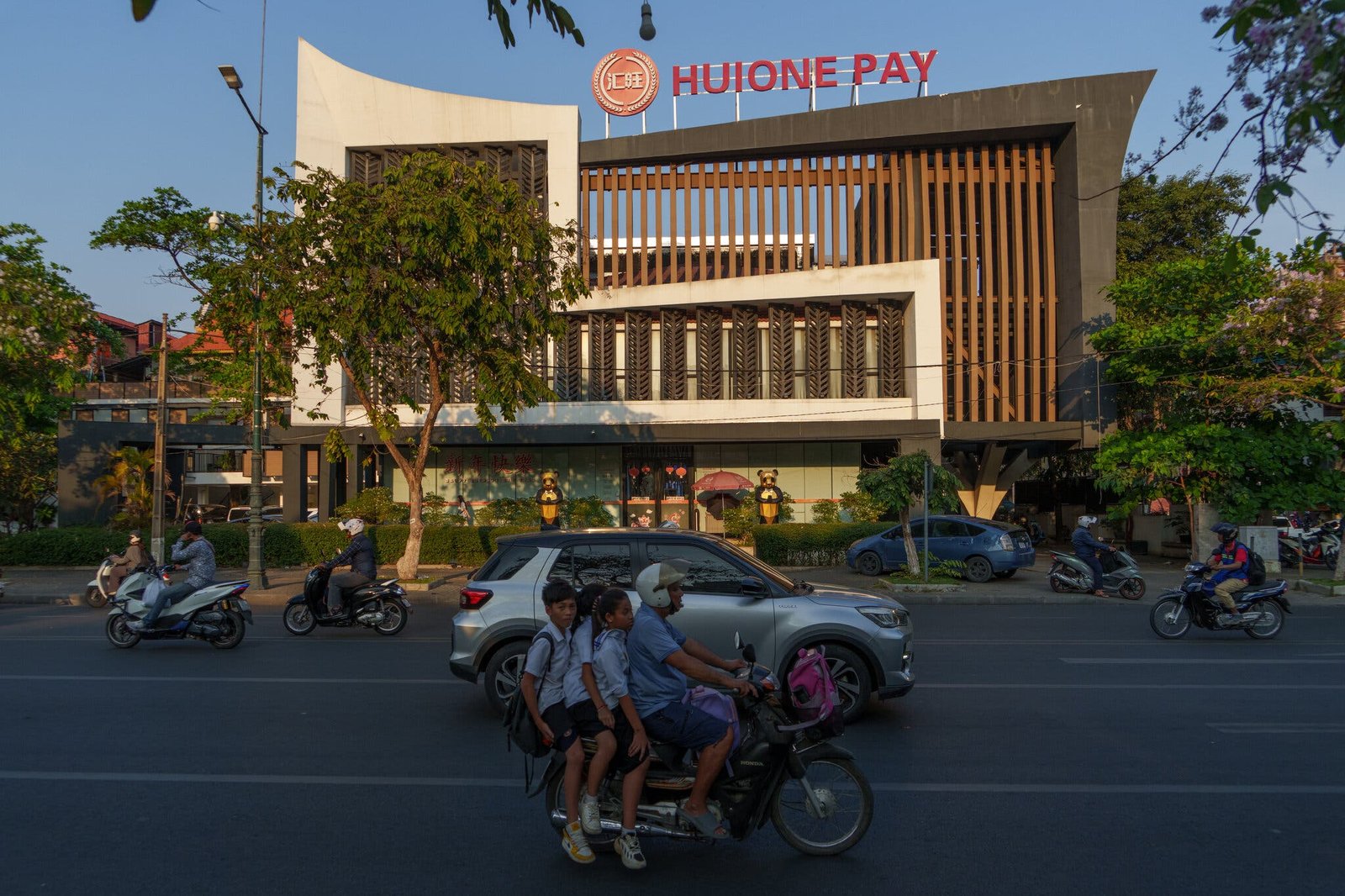

The recent Huione sanctions have rocked the financial landscape in Cambodia, marking a significant turning point following the international backlash from the U.S. and UK. This long-awaited action has led to the abrupt closure of Huione Group’s branches in Phnom Penh, unveiling the extensive ties between the conglomerate and the shadowy world of crypto fraud in Cambodia. Not only has it halted cash withdrawals, but Huione’s inability to navigate the international banking system has been cemented, as the U.S. Treasury has implicated the company in facilitating billions of dollars in illicit transactions. With current events bringing Cambodia’s $19 billion scam economy into the spotlight, the Huione Pay services once thought to be secure are now mired in controversy. The ramifications of these sanctions extend beyond local concerns, reshaping perceptions within the global financial system and shining a light on the international community’s fight against financial misconduct.
In light of recent developments, the closure of Huione Group’s operations serves as a potent symbol of the increasing pressure on Cambodia’s financial framework. The enforcement actions taken by international authorities highlight the nexus between local banking practices and organized scams that have plagued the region. By examining the complexities surrounding Huione’s closure, we uncover the deep-rooted issues tied to illicit financing and the challenge posed by cyber crime. The withdrawal of support from the international banking community not only disrupts Huione Pay’s services but also exposes the broader implications for financial regulations in Southeast Asia. Understanding these dynamics reveals how zero-tolerance policies against fraud are reshaping the understanding of transnational financial networks.
Impact of Huione Sanctions on Cambodian Economy
The closure of Huione Group’s branches in Phnom Penh due to U.S. and UK sanctions marks a significant shift in Cambodia’s financial landscape. The implications extend beyond just the cessation of Huione Pay services; they pose dire threats to a network that allegedly facilitated up to $11 billion in illicit transactions. Many businesses reliant on these financial infrastructures may struggle to find alternatives, as Huione was integral to the international banking system’s connections within Cambodia. Analysts predict that as international scrutiny intensifies, the Cambodian economy could face substantial repercussions, particularly in sectors intertwined with the crypto fraud that has thrived under Huione’s auspices.
As the international community moves to curb Cambodia’s industrial-scale scamming operations, the fallout from Huione’s closure could catalyze a broader reevaluation of the country’s financial practices. Those involved in the scam economy, which is estimated to contribute significantly to the nation’s GDP, will likely struggle with reduced access to funding and digital currencies. The financial ecosystem may witness only a temporary disruption as new players emerge to fill the gap left by Huione—albeit with the same vulnerabilities that allowed previous fraud to flourish.
Huione Group’s Role in Cambodia’s Scam Economy
Huione Group has been pivotal in facilitating a fraud economy that has attracted international attention due to its size and complexity. The company’s subsidiary services, such as Huione Guarantee, provided the necessary channels for online scammers to conduct transactions with relative ease, amplifying the volume of illicit activities in the region. Investigators reported that Huione’s systems have been exploited for financial flow related to scams, which include human trafficking and cybercrime, pointing to a dark underbelly beneath Cambodia’s burgeoning digital economy.
In recent years, the Cambodian government’s inability or unwillingness to adequately regulate financial operations linked to Huione has resulted in rapid growth for scam compounds. With estimates of over 100,000 workers operating within these scams, Huione has inadvertently entrenched a system that permits nefarious activities to flourish with minimal oversight. As law enforcement agencies step up their efforts against such operations, the ramifications extend to various sectors, from labor rights issues to the overall integrity of Cambodia’s financial environment.
Effects of U.S. and UK Sanctions on Huione’s Operations
The U.S. and UK sanctions imposed on Huione effectively severed its operational ties to the international banking system, aiming to dismantle a crucial financial backbone for scams and money laundering activities. By designating Huione as a primary money laundering concern, authorities sent a strong message about the consequences of facilitating such activity. This action not only halts the flow of money through Huione’s channels but also disrupts partnerships that countless scams relied upon, thereby creating a ripple effect through Cambodia’s financial landscape.
Consequently, these sanctions force Huione to adapt quickly or become entirely nonviable. While some operations may shift to alternative platforms, the legitimacy of those services remains questionable, raising concerns about further complicating Cambodia’s already challenged regulatory environment. With the dual impacts of financial sanctions and increased international scrutiny, Huione’s ability to operate effectively in the future is increasingly precarious.
Resilience of Huione and Emergence of Alternatives
Despite the mounting pressures from international sanctions, Huione Group has exhibited a form of resilience unique to the landscape of transnational crime. Reports indicate that new entities, like Tudou Guarantee—partially owned by Huione—have started to fill the void left by the company’s shrinking footprint in the region. These alternatives may not only replicate Huione’s services but can potentially adapt to evade emerging regulatory measures while continuing to support similar scams, thereby prolonging the financial ecosystem built on fraud.
Additionally, Huione’s introduction of the USDH stablecoin and its transition to the previously known Huione Chain as a blockchain solution illustrate a strategic pivot to maintain relevance in the digital financial market. This shift highlights the ongoing evolution of scam operations adapting to regulatory constraints, further complicating efforts to tackle these fraud networks effectively. As such, while authorities may celebrate a tactical victory by sanctioning Huione, the environment indicates that challenges remain far from resolved.
Cambodia’s Response to the Financial Crisis Fueled by Huione
Cambodia’s government faces growing pressure to respond to the financial crisis precipitated by Huione’s closure and the broader sanctions regime. With the country’s reputation at stake, officials must navigate a landscape riddled with challenges, including how to reform the enabling systems that have allowed scams to proliferate. The international community looks on, keen to see how Cambodia will align its financial regulations with international standards and effectively curb illicit activities that jeopardize both local and foreign stakeholders.
Steps taken by the government thus far, including revoking Huione Pay’s banking license, indicate an acknowledgment of the problem, but deeper systemic changes are essential to ensure long-term stability. Genuine reform will require a commitment to transparency, improved oversight of financial transactions, and rigorous enforcement of new regulatory measures to deter further exploitation of Cambodia’s banking services. As the situation unfolds, the world will be watching to see if these developments will lead to a safer financial environment or merely a temporary patch over more deeply rooted issues.
Crypto Fraud Trends in Cambodia: A Growing Concern
The rise of cryptocurrency has transformed financial transactions globally, yet in Cambodia, this evolution has also catalyzed a spike in fraudulent schemes. With companies like Huione at the center of many dubious operations, crypto fraud has merged with existing scams, leading to unprecedented growth in scams that exploit digital currency’s relative anonymity. Authorities have identified that the interplay between crypto and traditional scam methods poses significant risks not only to individuals but to the integrity of the entire financial system.
As the Cambodian landscape adapts to the growing influence of digital finance, the need for rigorous regulatory frameworks is more pressing than ever. Ongoing international efforts to combat scams that utilize cryptocurrencies have brought attention to the necessity of cooperation among nations to create standards that prevent fraud and ensure safety for consumers engaging with digital currency platforms. The fight against crypto fraud in Cambodia will require a concerted strategy involving regulation, law enforcement, and public awareness campaigns.
The Role of Social Media in Hong Kong’s Huione Crisis
Social media has played a pivotal role in shaping public perception during the Huione crisis. As locked doors and halted withdrawals made headlines, images and reports spread rapidly online, creating a narrative of panic among users. Many account holders took to platforms like Twitter and Facebook to voice their frustrations, seeking answers and clarity from a company that was increasingly unresponsive. The power of social media in this context has revealed the vulnerabilities individuals face amid upheaval in the financial sector, where timely and transparent communication is paramount.
Moreover, the dissemination of information through social channels has forced Huione to confront a public relations nightmare, as potential clients reconsider their financial associations and trust in the institution. In response, it remains to be seen whether Huione will engage more actively on these platforms to clarify its status and reestablish credibility or let the fray continue to jeopardize what remains of its reputation. The impact of social media on this crisis underscores the necessity for financial entities to prioritize transparency and consumer engagement, especially in moments of turmoil.
Interpol’s Designation of Crypto Fraud as a Global Threat
Interpol’s recent acknowledgment of crypto fraud as a transnational criminal threat has amplified the urgency with which law enforcement agencies must respond to emerging financial crimes, particularly in regions like Cambodia. By designating these operations as a global concern, it highlights the widespread complications that arise from unregulated or poorly monitored financial systems that have enabled networks like Huione to thrive. The characterization of crypto fraud as a serious global issue underscores the interconnected nature of these crimes, necessitating international cooperation to enforce compliance and prosecute offenders.
As global law enforcement agencies mobilize to tackle this growing problem, nations are encouraged to uplift their financial governance standards and collaborate more closely to combat cross-border fraud schemes. The implications for Cambodia are profound; not only must authorities engage with international partners, but they must also grapple with restructuring their financial systems to align with global efforts. Increased vigilance and stringent measures will be required to adapt to the realities of the cryptocurrency landscape while protecting the nation from becoming a haven for illicit activities.
Future of Financial Services in Cambodia Post-Huione
The landscape of financial services in Cambodia is poised for transformation following Huione’s closure and the geopolitical pressures that led to it. Banks and financial institutions may face a critical juncture as they contemplate new approaches to engage with international markets while ensuring compliance with emerging regulations. Many financial experts advocate for the establishment of frameworks that can foster innovation while safeguarding against the vulnerabilities that allowed entities like Huione to flourish unchecked.
There is also an opportunity for legitimate players in the sector to take the lead in reforming the financial ecosystem. By prioritizing transparency, engaging with regulatory bodies, and investing in technology that can enhance security and compliance, Cambodia’s financial services can evolve beyond the shadow of past scandals. The future may entail a gradual rebuilding of trust among international investors and stakeholders, paving the way for a more robust and resilient financial environment as Cambodia navigates away from its troubled history.
Frequently Asked Questions
What led to the Huione Group closure in Phnom Penh?
The closure of Huione Group in Phnom Penh was primarily due to mounting sanctions from the U.S. and UK, which cut the conglomerate out of the international banking system. This followed extensive investigations linking Huione’s services to billions in illicit transactions.
How do Huione sanctions impact Cambodia’s banking system?
The sanctions on Huione have significantly affected Cambodia’s banking system by disrupting operations of Huione Pay services, which have been pivotal in facilitating a lucrative scam economy in the country, estimated to be worth $19 billion annually.
What are the ramifications of the Huione sanctions on crypto fraud in Cambodia?
The Huione sanctions represent a crucial step in addressing the growing issue of crypto fraud in Cambodia, as they target the financial infrastructure that supports industrial-scale scams and illicit money laundering linked to fraudulent activities.
Why is Huione considered critical to Cambodia’s scam economy?
Huione is deemed critical due to its role in providing financial services used by scam operations, with estimates indicating that its escrow services facilitated the movement of at least $11 billion linked to various forms of fraud and cybercrime.
What financial services did Huione Group provide before the sanctions?
Before the sanctions, Huione Group offered a range of financial services including payments, bill settlements, and money transfers, primarily targeting Chinese-speaking users, along with escrow services through its subsidiary Huione Guarantee.
What alternatives have emerged following the Huione Group’s shutdown?
In response to the shutdown of Huione Group, alternative services such as Tudou Guarantee have emerged, capitalizing on the gap left in the market. Additionally, Huione introduced new financial products like the stablecoin USDH to maintain its presence in the market.
How does the international banking system react to Huione’s actions?
The international banking system reacted to Huione’s actions by implementing sanctions that aim to block the conglomerate from legitimate financial networks, reflecting a broader strategy to combat transnational fraud and money laundering linked to cryptocurrency.
What potential future actions could follow the Huione sanctions?
Future actions may include increased scrutiny and additional sanctions on other actors in Cambodia’s financial ecosystem, as well as ongoing efforts by international law enforcement to dismantle the networks supporting scam activities across the region.
What does the designation by FinCEN imply for Huione Group?
FinCEN’s designation of Huione Group as a primary money laundering concern highlights its critical role in facilitating illicit financial flows, indicating that it poses significant risks to the integrity of the international banking system.
How have investors and stakeholders responded to the Huione sanctions?
Investors and stakeholders have shown concern regarding the Huione sanctions due to the potential financial losses and legal ramifications associated with engaging in businesses linked to sanctioned entities in the Cambodian banking sector.
| Key Point | Details |
|---|---|
| Closure of Branches | Huione Group has shut down its branches in Phnom Penh and halted cash withdrawals amid international sanctions. |
| Sanctions Background | The U.S. and UK imposed sanctions against Huione, disconnecting it from the global banking system in October 2025. |
| Illicit Activity | Huione has been implicated in billions in illicit transactions associated with scams and fraud, with U.S. estimates of funds moving through their services ranging from $4 billion to $11 billion. |
| Impact on Crime Ecosystem | The sanctions signal a significant shift in tackling Cambodia’s industrialized scam economy worth approximately $19 billion. |
| Response to Sanctions | Despite the sanctions, Huione has adapted through launching alternative services and utilizing blockchain technology. |
Summary
Huione sanctions have forced the conglomerate to shut down its operations in Cambodia, marking a critical intervention against a well-known financial entity linked to large-scale illicit activities. These sanctions reflect growing international pressure to combat rampant fraud and money laundering linked to the $19 billion scam economy in Cambodia. As authorities continue to tighten regulations, the impacts on Huione and the broader financial ecosystem highlight the urgent need for comprehensive strategies to address financial crimes.
Related: More from Regulation & Policy | Anthropic Founder Critiques Pentagons Choice as Unprecedented in Crypto Regulation | UK Gambling Regulator Examines Cryptocurrencies for Licensed Bettors in Crypto Regulation