
The stablecoins market value has soared to an impressive $30.67 billion, reflecting the growing acceptance and integration of cryptocurrencies within the financial landscape. Currently, USDT dominates the scene with a market share exceeding 60%, cementing its position as a leading player in this dynamic arena. As cryptocurrency growth continues to attract investors, the valuation of stablecoins like USDC, which boasts a market value of $7.69 billion, further highlights the increasing demand for price-stable digital assets. A stablecoin comparison reveals that alongside USDT and USDC, other contenders like DAI and Sky Dollar are also carving out their niches, contributing to the overall valuation of this sector. Comprehensive DeFi market analysis indicates that the surge in stablecoins is not just a trend but a foundational shift in how we perceive value in the digital economy.
The valuation of stable digital currencies has experienced remarkable growth in recent years, with the total market capitalization surpassing $30.67 billion. Dominated by Tether (USDT), which holds a significant portion of the market share, these currencies serve as essential components of various financial ecosystems. Amidst the expanding cryptocurrency landscape, alternative stablecoins such as USD Coin (USDC) play pivotal roles in enhancing liquidity and stability. The comparison of different stablecoin options provides insights into their respective strengths and weaknesses, guiding investors through these emerging financial instruments. In the broader context of decentralized finance (DeFi), understanding the market metrics of stable assets is crucial for engaging with evolving investment opportunities.
Understanding the Stablecoins Market Value
Stablecoins play a significant role in the cryptocurrency ecosystem, serving as a digital asset that maintains a stable value against a fiat currency. As of December 2025, the total market value of stablecoins has surpassed an impressive $30.67 billion. This growth can be attributed to various factors, including increased adoption in decentralized finance (DeFi) applications and the overall expansion of the cryptocurrency market. Investors and institutions alike are turning to stablecoins for their stability in an otherwise volatile market.
The current market landscape is dominated by a few key players, particularly USDT and USDC, which together hold a substantial portion of the total market value. With USDT’s market share exceeding 60%, it underscores its pivotal role in the stablecoin market. Moreover, this rising valuation demonstrates how stablecoins are becoming essential tools for traders looking to hedge against market fluctuations. Understanding the dynamics of the stablecoins market value provides insights into future trends and potential investment opportunities.
Dominance of USDT in the Stablecoin Market
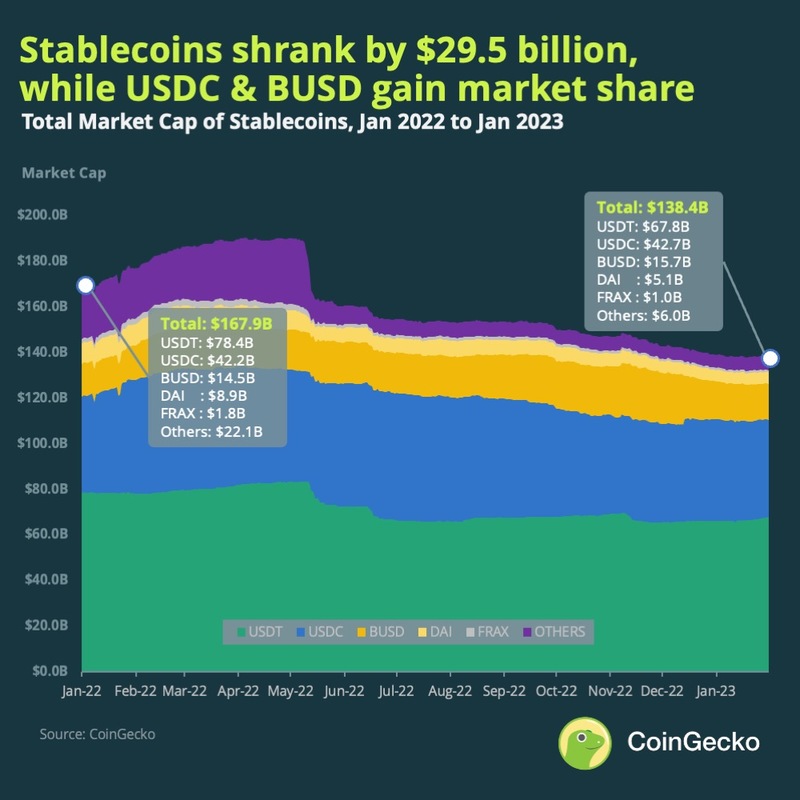
USDT (Tether) has established itself as the leading stablecoin, boasting a market share of approximately 60.17% and a market value of around $18.4572 billion. This dominance can be largely attributed to its extensive use in trading, as it serves as a common medium for cryptocurrency exchanges and is accepted by a vast majority of trading platforms. Traders often prefer USDT for its liquidity and ease of use, which facilitates quick transactions and conversions between various cryptocurrencies.
The continuous growth of USDT’s market share also highlights the increasing reliability of stablecoins among crypto investors. As more users gravitate towards USDT, its impact on the overall cryptocurrency market grows, providing a more stable base for trading activities. With continued expansion in the DeFi sector, the importance of USDT is likely to increase, making it a central player in future stablecoin comparisons.
USDC’s Valuation and Market Position
USDC, or USD Coin, has emerged as a significant player in the stablecoin sector, currently ranked second with a market value of $7.6982 billion. This valuation reflects a growth of 3.62% over the past week and highlights the increasing appeal of USDC among crypto enthusiasts and institutional players. Its backing by reputable financial institutions and transparent reserves bolsters confidence, positioning it as a solid alternative to USDT.
The rise of USDC not only signifies a healthy competition within the stablecoin space but also underscores the overall cryptocurrency growth. As users demand more reliable and user-friendly stablecoins, USDC’s potential to capture market share suggests that the competition is likely to intensify between these major stablecoins. A side-by-side evaluation of USDC and its counterparts is vital for investors seeking stability and reliability in their digital asset portfolios.
The Growth of Stablecoins in DeFi Markets
As the decentralized finance (DeFi) landscape matures, stablecoins are becoming foundational elements that facilitate various financial services and products. The surge in the stablecoin market value to over $30.67 billion demonstrates the substantial role stablecoins play in providing liquidity, enabling lending, and supporting yield farming projects within DeFi platforms. Their inherent stability allows them to be used as collateral or a medium of exchange for other cryptocurrencies, enhancing user confidence in the ecosystem.
Furthermore, stablecoins have enabled millions of users to access financial services previously unavailable to them, carving a niche in the global economy. As DeFi continues to evolve, stablecoins are expected to anchor many of the emerging financial products, making thorough DeFi market analysis crucial for understanding the overall trends within the cryptocurrency space. Evaluating the role of stablecoins in DeFi can provide valuable insights for investors and developers alike.
Stablecoin Comparisons: Evaluating Key Players
In the burgeoning market of stablecoins, a comparison of their features, market values, and use cases is imperative for discerning which stablecoins best meet specific needs. Tether (USDT) and USD Coin (USDC) represent the two largest stablecoins by market share and value, yet each offers unique advantages. USDT stands out for its widespread acceptance and liquidity, making it a go-to choice for traders, while USDC is distinguished by its regulatory compliance and transparency, appealing to users prioritizing security.
Additionally, analyzing other notable stablecoins, such as DAI and USDe, is essential in understanding the broader market dynamics. These alternatives cater to different user preferences, providing more options for diversified portfolios. As new entrants continue to emerge, stablecoin comparisons are instrumental in evaluating their potential impacts on the cryptocurrency market and overall investment strategies.
The Role of Stablecoins in Financial Systems
Stablecoins have gradually integrated into traditional finance, offering a bridge between cryptocurrencies and the traditional banking system. Their inherent stability makes them attractive for transactions and remittances, enabling users to circumvent the volatility typically associated with other cryptocurrencies. As central banks explore digital currencies, the functionalities of stablecoins might serve as a foundational model for implementing digital dollar equivalents.
Moreover, stablecoins are pivotal in enhancing financial inclusion, especially in regions where access to banking services is limited. By leveraging blockchain technology, stablecoins allow individuals to engage in global financial markets more seamlessly. This paradigm shift represents a significant evolution in how financial services are provided, promising to shape the future landscape of finance significantly.
Future Trends in Stablecoins Market
With the continuous evolution of digital currencies, the future of the stablecoins market appears robust and promising. The projected growth, backed by increased regulatory clarity and broader adoption in various sectors of the economy, suggests that stablecoins could become integrated into daily transactions and global commerce. As more businesses recognize the benefits of using stablecoins for payment processing, the sector’s market value may escalate even further.
Additionally, as technological advancements unfold, innovations like algorithmic stablecoins and enhanced privacy features are likely to emerge, reshaping traditional perceptions of stablecoins. These developments could lead to an even broader acceptance of stablecoins across different industries, solidifying their place within both the cryptocurrency universe and mainstream financial systems.
Investment Strategies Utilizing Stablecoins
Investing in stablecoins can be a strategic move for individuals looking to mitigate risk while still engaging with the broader cryptocurrency market. Given their stability, they provide a safe haven during periods of volatility, allowing investors to park their assets while waiting for favorable market conditions. Additionally, stablecoins can be employed to earn passive income through DeFi platforms, which offer yield farming and liquidity provision opportunities.
Incorporating stablecoins into an investment portfolio enables diversification and improved risk management. As the intrinsic value of traditional cryptocurrencies fluctuates, stablecoins can serve as a reliable buffer, ensuring that investors can maintain their capital effectively. Employing sound investment strategies that focus on the strengths of stablecoins will be vital as the market evolves.
Regulatory Perspectives on Stablecoins
As stablecoins gain traction, they are increasingly coming under regulatory scrutiny from governments and financial authorities. Ensuring consumer protection and maintaining financial stability are paramount concerns, leading to calls for clearer regulatory frameworks specific to stablecoins and their issuers. These regulations could shape how stablecoins operate within the cryptocurrency ecosystem, affecting everything from their liquidity to the mechanism by which they maintain their peg to fiat currencies.
Moreover, regulatory compliance will likely evolve as new insights and market dynamics emerge. For investors, understanding potential regulatory changes is crucial in assessing the stability and longevity of specific stablecoins. A proactive approach to navigating regulatory developments can help safeguard investments while ensuring that the innovations in stablecoin technology align with legal requirements in various jurisdictions.
Frequently Asked Questions
What is the current market value of stablecoins?
As of December 2, 2025, the total market value of stablecoins has surpassed $30.67 billion, specifically reported at $30.6775 billion, reflecting a 7-day growth of 0.87%.
How is the USDT market share impacting the overall stablecoin market value?
USDT holds a significant market share in the stablecoin market at 60.17%, contributing approximately $18.4572 billion to the total stablecoin value and playing a crucial role in maintaining market stability.
What is the USDC valuation compared to other stablecoins?
Currently, USDC has a market valuation of $7.6982 billion, making it the second-largest stablecoin by market value, with a notable increase of 3.62% over the past week.
How do stablecoins compare in terms of market value and growth?
In the stablecoin comparison, USDT leads with a 60.17% market share, followed by USDC’s valuation of $7.6982 billion. This demonstrates the dynamic growth and competition within the stablecoin sector.
What does the growth of the stablecoin market imply for cryptocurrency growth?
The steady increase in the total stablecoin market value, currently at $30.6775 billion, suggests a growing confidence in cryptocurrency and its integration within DeFi, reflecting the market’s overall resilience.
How does the DeFi market analysis affect stablecoin valuation?
Recent DeFi market analysis indicates a positive trend in stablecoin valuations, with USDT and USDC showing substantial market behavior, playing a pivotal role in decentralized finance ecosystems.
What factors contribute to the varying market share of stablecoins like USDT and USDC?
The market share of stablecoins such as USDT and USDC is influenced by factors such as transaction volume, user adoption, and regulatory developments, highlighting their respective roles in the broader cryptocurrency market.
| Stablecoin | Market Value (Billion USD) | Market Share (%) | 7-Day Change (%) |
|---|---|---|---|
| Total Stablecoins | 30.6775 | 100 | 0.87 |
| USDT | 18.4572 | 60.17 | N/A |
| USDC | 7.6982 | N/A | 3.62 |
| USDe | N/A | N/A | N/A |
| USDS (Sky Dollar) | N/A | N/A | N/A |
| DAI | N/A | N/A | N/A |
Summary
The stablecoins market value has reached an impressive $30.67 billion, marking a significant milestone within the cryptocurrency landscape. With USDT dominating the space and holding a market share of over 60%, the stablecoin market is witnessing growth and investment opportunities. Understanding the dynamics of this sector is essential for investors and stakeholders as it continues to evolve.
Related: More from DeFi & Stablecoins | Stablecoin Payments Focus Shifts to User Networks | ETH Bounces Back: Why TradFi Favors ETH Rise in Stablecoin