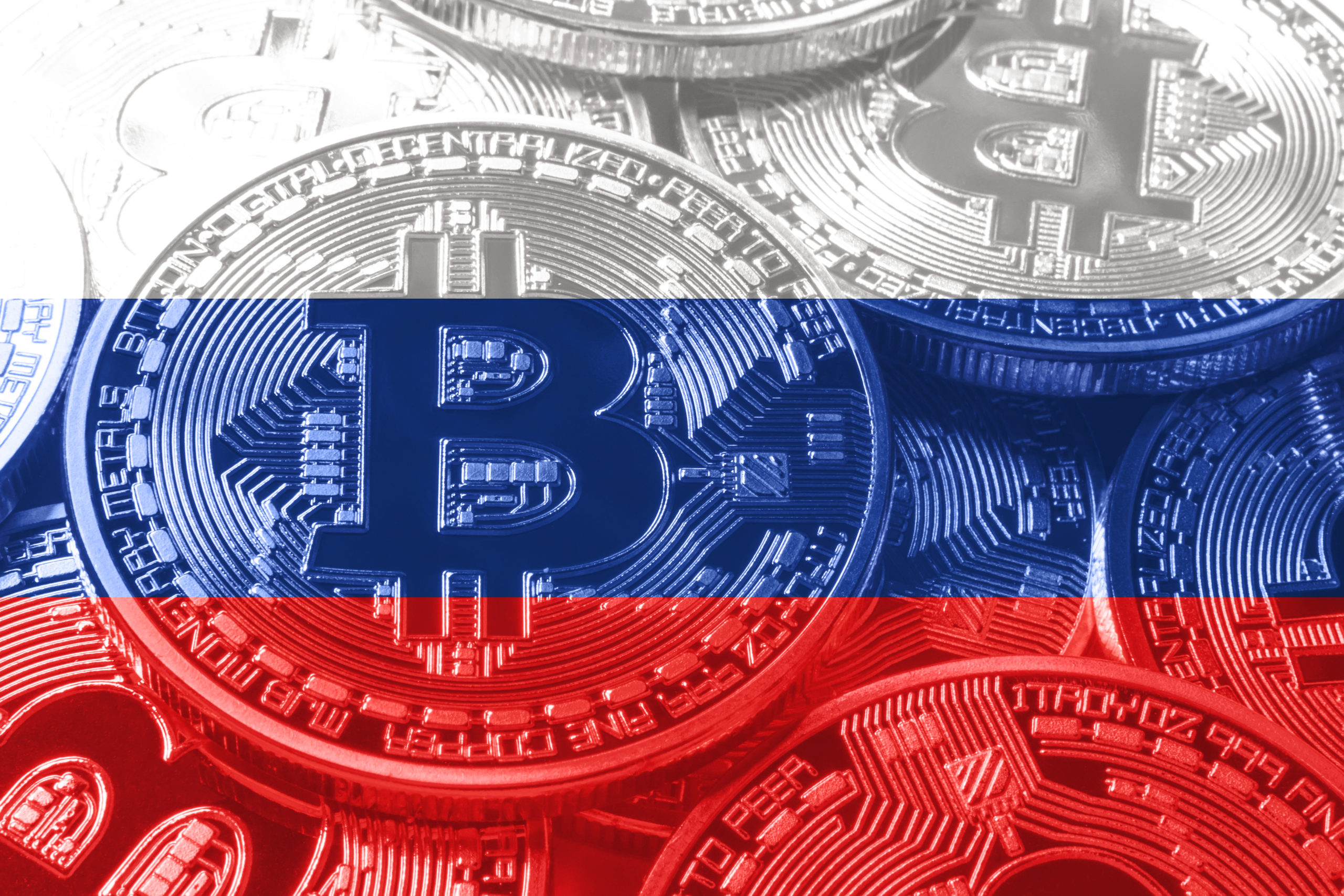

Russia cryptocurrency regulation is currently undergoing significant scrutiny and potential transformation as officials discuss easing stringent rules surrounding digital assets. According to the latest Russia crypto news, the Russian Central Bank is considering relaxing the existing cryptocurrency rules, which have predominantly limited the access to decentralized currencies like Bitcoin to a small circle of qualified investors. The Deputy Finance Minister, Ivan Chebeskov, hinted at abandoning these restrictive definitions, signaling a shift towards inclusivity in cryptocurrency investment Russia. Such potential changes could uniquely position Russia amidst the global shift towards recognizing and integrating cryptocurrencies into mainstream finance. As discussions continue, stakeholders eagerly await further details regarding Bitcoin regulations in Russia and how these developments might reshape the landscape of digital currencies in the country.
The evolving landscape of digital currency governance is a hot topic in Russia, particularly concerning the limitations imposed on the broader public’s access to cryptocurrencies. Recent statements from financial authorities indicate a willingness to revise existing frameworks that dictate how Russian citizens can engage with digital assets. These developments could signal a move towards a more liberal approach to handling cryptocurrency transactions, enabling a wider demographic to participate in this burgeoning market. Additionally, potential reforms in digital asset regulation might enhance Russia’s attractiveness as a destination for cryptocurrency-related investments. With ongoing discussions, the implications for financial regulations and investment opportunities are swiftly becoming a focal point in both local and global dialogues.
Recent Developments in Russia Cryptocurrency Regulation
In recent weeks, the landscape of Russia cryptocurrency regulation has undergone significant changes, particularly with the statements made by the Deputy Finance Minister, Ivan Chebeskov. The current administration is recognizing the need for a more inclusive framework that allows broader access to decentralized digital currencies, like Bitcoin. This shift indicates a move away from the restrictive policies that have previously governed cryptocurrency transactions, aimed primarily at a narrow group of ‘qualified’ investors.
The Russian Central Bank has publicly acknowledged this change, with Vladimir Chistyukhin, the First Deputy Governor, emphasizing the central bank’s openness to revising its stance on cryptocurrency regulation. This indicates that upcoming legal frameworks may lead to broader inclusivity for cryptocurrency investments in Russia, which could further stimulate the burgeoning market for digital assets.
Frequently Asked Questions
What are the current Russia cryptocurrency regulations as of December 2025?
As of December 2025, Russia’s cryptocurrency regulations are evolving, with discussions around loosening existing rules. The Russian Central Bank, along with the Ministry of Finance, is considering redefining ‘qualified’ investors to broaden access to decentralized digital currencies like Bitcoin, highlighting a potential shift towards more inclusive cryptocurrency rules in Russia.
How might the relaxation of cryptocurrency rules in Russia affect investment opportunities?
The proposed relaxation of cryptocurrency rules in Russia could significantly enhance cryptocurrency investment opportunities. By allowing a larger group of investors access to crypto assets, including Bitcoin, Russia may stimulate its crypto market and attract both domestic and international investments that were previously restricted.
What statements have been made by the Russian Central Bank regarding cryptocurrency?
The Russian Central Bank has indicated a favorable shift towards easing cryptocurrency regulations. Officials, including Vladimir Chistyukhin, have confirmed that they are considering changes to existing restrictions, focusing on expanding access from a narrow group of ‘qualified’ investors to potentially include a broader audience, thereby enhancing the regulatory landscape for cryptocurrencies in Russia.
What implications could relaxing cryptocurrency regulations in Russia have on foreign payments?
Relaxing cryptocurrency regulations in Russia could improve the ability of legal entities and individuals to conduct foreign payments using crypto assets, circumventing existing limitations associated with traditional currency transactions. This change could facilitate smoother international dealings for Russian businesses and individuals, directly impacting cryptocurrency investment dynamics.
Where can I find the latest news on Russia crypto regulations?
For the latest updates on Russia crypto regulations, it is advisable to follow reliable financial news sources, government announcements, and specialized cryptocurrency news platforms. Staying informed through these channels will provide insights into ongoing discussions and changes in cryptocurrency rules in Russia.
| Key Point | Details |
|---|---|
| Relaxation of Rules | Russian authorities may ease cryptocurrency regulations that currently only allow qualified investors access. |
| Statement by Finance Minister | Ivan Chebeskov indicated a shift away from restrictive definitions in cryptocurrency regulations. |
| Central Bank’s Position | Vladimir Chistyukhin acknowledged the likelihood of loosening regulations around cryptocurrency. |
| Focus on Accessibility | The new regulations aim to broaden access beyond a small group of qualified investors to include more individuals. |
| Foreign Payment Restrictions | Current limitations on foreign payments for Russians are a factor influencing the discussion on crypto regulation. |
Summary
Russia Cryptocurrency Regulation may see significant changes as the country considers looser rules for the access and use of cryptocurrency. With key officials acknowledging the need to expand access beyond just qualified investors, there is potential for a more inclusive regulatory landscape that could facilitate foreign transactions and adapt to the financial needs of Russian citizens.
Related: More from Regulation & Policy | Anthropic Founder Critiques Pentagons Choice as Unprecedented in Crypto Regulation | UK Gambling Regulator Examines Cryptocurrencies for Licensed Bettors in Crypto Regulation