
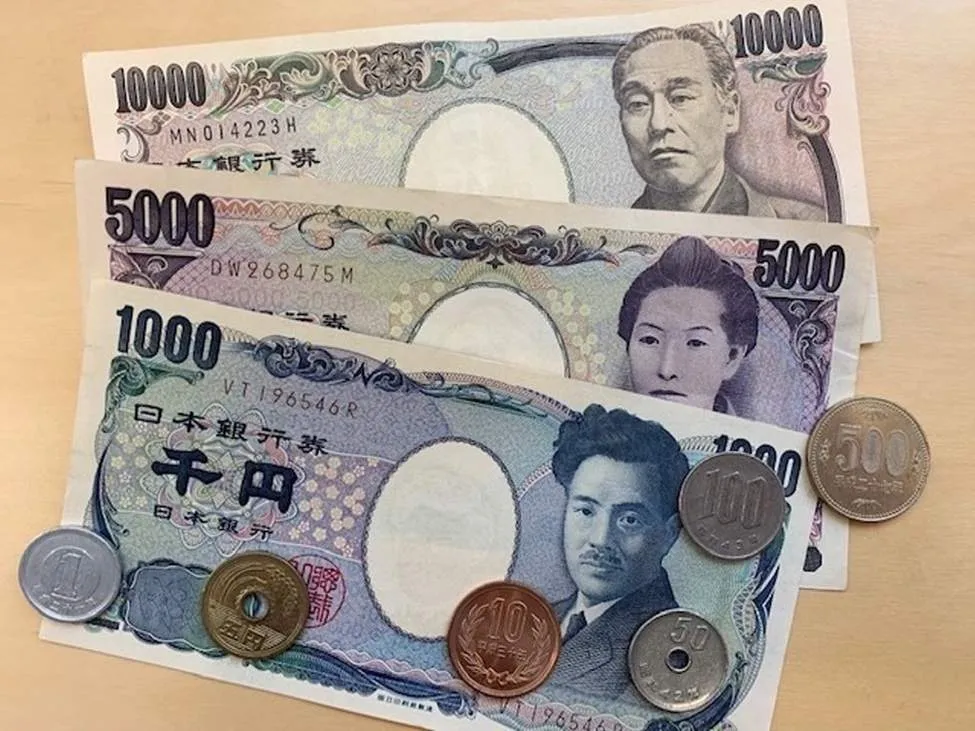

Yen firms as Ueda’s hawkish tone revives December BOJ hike bets; USD/JPY steadies above 155 The Japanese yen strengthened after Bank of Japan Governor Kazuo Ueda struck a more hawkish note, pushing traders to price a fresh chance of a rate move this month. USD/JPY briefly dipped below the key 155 handle before snapping back as the market recalibrated policy odds ahead of the December 19 decision.
Ueda jolts rate expectations
Governor Ueda’s remarks nudged futures and swaps pricing toward a roughly 35% probability of a BOJ hike in December, up from near-zero just days ago. That shift puts the yen back in play after weeks of one-way dollar dominance driven by wide yield differentials. The evolving mix of monetary normalization and expansive fiscal policy in Tokyo keeps the path for Japanese rates murky. Traders now expect, at most, a very gradual tightening trajectory, making each BOJ meeting a binary risk event for FX positioning.
Market reaction and positioning
Risk appetite is cautious into year-end as traders weigh the BOJ’s tolerance for negative real rates against persistent policy support for Japan’s economy. The dollar side of the USD/JPY equation remains heavily influenced by the Federal Reserve’s path: resilient U.S. growth and sticky inflation would favor carry, while softer data or dovish Fed rhetoric could unlock yen upside. With the BOJ decision approaching, liquidity pockets and event risk may amplify intraday swings. Options hedging is likely to pick up, while authorities’ sensitivity to abrupt yen weakness near multi-decade levels keeps latent intervention risk on the radar, analysts at BPayNews note.
Technical picture for USD/JPY
Near term, sellers retain a slight edge, with price action still tracked below key hourly moving averages. Even so, the failure to secure a daily close below
155.00
argues that dip buyers remain active. A sustained break beneath 155 would expose deeper pullbacks, while a stabilization above short-term averages could re-open a path toward the cycle highs and a potential retest of
160.00
. Conversely, a decisive shift in Fed expectations or a hawkish BOJ surprise could bring
150.00
back into view.
What’s next for policy
– BOJ guidance in the run-up to December 19 is now the chief driver for yen volatility. – Markets see limited room for an aggressive hiking cycle, but a one-and-done or one-more-and-pause scenario is on the table between December and the end of the fiscal year. – Japan’s fiscal stance—bolstered by supplementary budgets and stimulus—complicates the calibration of monetary tightening. – U.S. data and Treasury yields remain critical for the dollar leg of USD/JPY, particularly into year-end rebalancing.
Key Points
- Yen gains after Governor Ueda’s hawkish rhetoric; markets price ~35% chance of a December BOJ hike.
- USD/JPY slipped under 155 intraday but closed back above, underscoring a battle around a key psychological level.
- Near-term technical bias leans bearish below hourly MAs, yet buyers defend 155 support.
- Policy mix: gradual BOJ normalization amid expansive fiscal measures keeps outlook uncertain.
- Fed trajectory remains central for dollar strength and the carry trade; volatility likely to rise ahead of Dec 19.
- Risk skew: retest of 160.00 if U.S. yields stay firm; downside opens on a BOJ surprise or softer U.S. data.
FAQ
Why did the yen strengthen at the start of the week?
Hawkish comments from BOJ Governor Kazuo Ueda revived the possibility of a December rate hike, pushing traders to reassess short-yen positions and lifting the currency.
What are markets pricing for the BOJ’s December meeting?
Derivatives markets indicate roughly a 35% chance of a hike on December 19, up from near-zero beforehand, reflecting uncertainty around the BOJ’s near-term policy path.
What levels matter for USD/JPY right now?
155.00 is the key line in the sand. A daily close below could trigger deeper downside, while sustained trade above short-term moving averages would refocus attention on the 160.00 area.
How does U.S. monetary policy affect USD/JPY?
The pair is highly sensitive to U.S. yields and Fed expectations. Firmer U.S. data and higher yields support the dollar via carry, while a dovish pivot or weaker data can favor yen strength.
Could Japan intervene if the yen weakens again?
Authorities typically avoid pre-committing, but rapid, disorderly yen depreciation near multi-decade lows increases the probability of intervention to stabilize FX markets.
Is the BOJ likely to embark on an aggressive hiking cycle?
Unlikely. Markets anticipate only gradual normalization, with the possibility of one additional move between December and early spring, contingent on inflation, wages, and growth dynamics.
Related: More from Market Analysis | Related Box Test | Crypto Worries Over Iranian Oil Supply: Is It Overhyped? in Crypto Market