

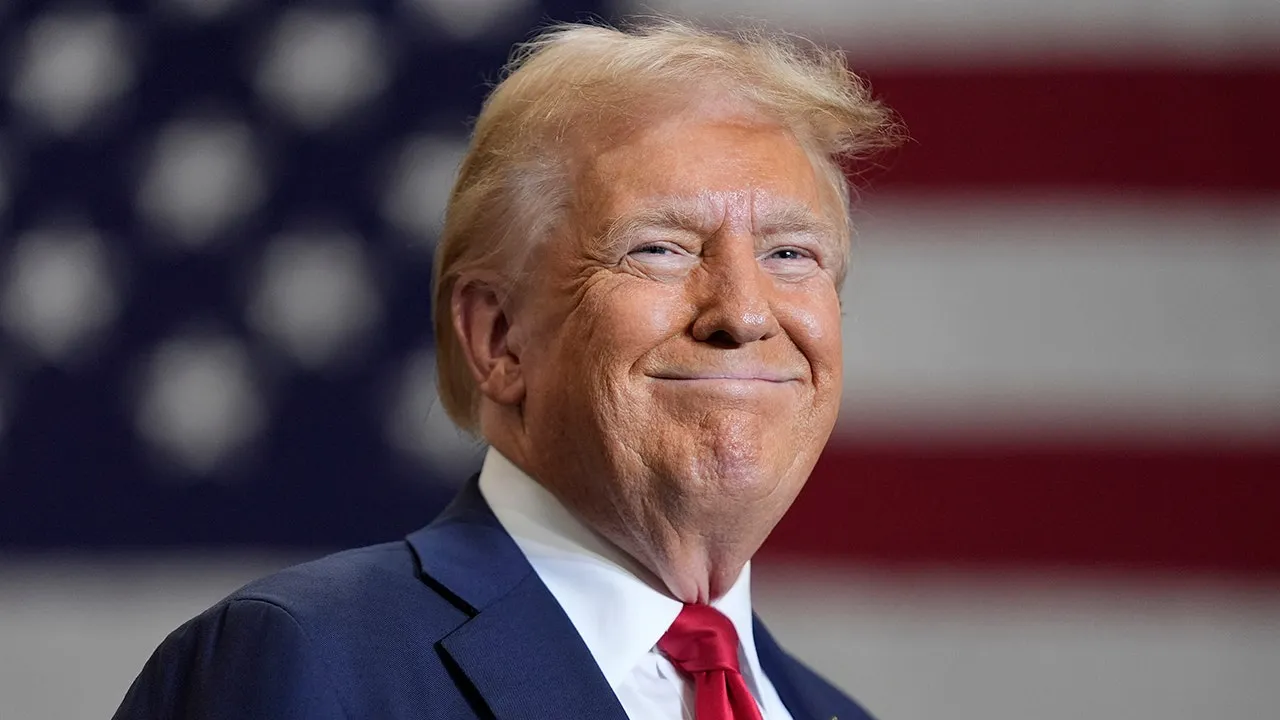

In a recent statement, former President Donald Trump has issued a stern ultimatum to Hamas, demanding that the militant group agree to a proposed agreement by 6 p.m. EST on Sunday. Failure to comply, he warned, would result in severe consequences, described as “fire and fury.” This declaration underscores the ongoing tensions in the Middle East, particularly regarding the Israeli-Palestinian conflict, where Hamas has been a significant player.
The backdrop of this ultimatum is rooted in the complex history of the region, marked by decades of conflict, failed peace negotiations, and intermittent violence. Hamas, which governs the Gaza Strip, has been involved in numerous confrontations with Israel, leading to widespread humanitarian crises and international concern. Trump’s statement reflects a broader strategy to exert pressure on groups he perceives as threats to regional stability and U.S. interests.
The deadline set by Trump is not just a political maneuver; it highlights the urgency of addressing the ongoing violence and instability in the region. By framing the situation in terms of consequences, Trump aims to galvanize support for a more aggressive stance against Hamas, which he views as a terrorist organization. The implications of this ultimatum extend beyond the immediate conflict, potentially influencing U.S. foreign policy and its approach to Middle Eastern diplomacy.
As the deadline approaches, the world watches closely to see how Hamas will respond and what actions may follow if the agreement is not reached. The situation remains fluid, and the stakes are high for all parties involved.
Related: More from Regulation & Policy | US Court Sets Deadline for Sam Bankman | WLFI Cryptocurrency Investigation: What House Democrats Uncover