


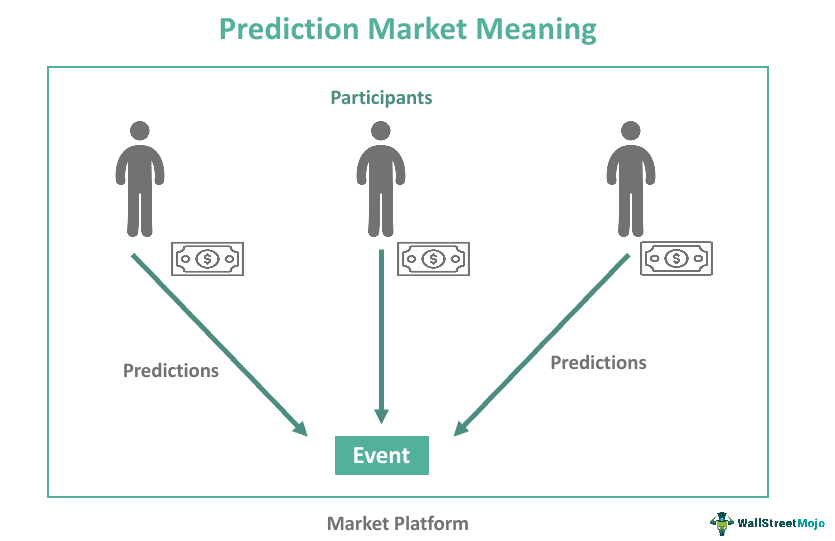

Prediction markets are poised to transform the way we engage with financial forecasting and decision-making. These innovative platforms allow users to place bets on the outcomes of future events, such as economic indicators or election results, thus fostering a unique blend of speculation and informed trading. With significant advancements like Polymarket trading gaining traction in the brokerage space, the integration of event contracts trading into popular investment applications is becoming increasingly plausible. Following the recent clarity offered by CFTC regulations, prediction markets could provide a vital tool for brokers, facilitating macro bets that can hedge against market uncertainties or capitalize on informed insights. As awareness grows, prediction markets may well become an indispensable feature for traders seeking to navigate the complexities of an evolving financial landscape.
Alternative forecasting platforms, often referred to as event betting markets or outcome prediction exchanges, are reshaping the landscape of financial speculation. These platforms enable participants to make informed bets on future occurrences—like financial trends or political outcomes—leveraging collective knowledge and market dynamics. With industry players like Polymarket leading the charge, these markets are beginning to interlace with existing brokerage applications, offering new possibilities for users to engage with financial predictions. As regulatory frameworks, such as those imposed by the CFTC, allow for greater integration, the potential for widespread use of these prediction markets expands. Consequently, these innovative platforms might soon become a common sight in our financial tools, providing both opportunity and insight to traders everywhere.
The Rise of Prediction Markets in Brokerage Firms
Prediction markets are revolutionizing the way brokerage firms operate by introducing innovative options for traders. With the recent acquisition of QCX and QC Clearing by Polymarket, brokerages can now seamlessly integrate prediction markets into their platforms. This development enables users to engage in event contracts that cover various sectors, from political elections to macroeconomic trends, thereby broadening the scope of trading instruments available to investors.
Moreover, with the backing of the Commodity Futures Trading Commission (CFTC) and an amended order permitting Polymarket to act as a regulated exchange, these prediction markets are now gaining legitimacy in the eyes of both users and regulators. As brokers begin to offer event contracts, traders can capitalize on their predictions with similar ease as trading stocks, enhancing the overall trading experience and potentially leading to increased engagement in the financial markets.
Understanding Event Contract Trading
Event contract trading is rapidly becoming a popular method for investors to leverage their insights or hedge against uncertainties surrounding potential outcomes. By allowing traders to speculate on binary outcomes—such as whether or not the Fed will raise interest rates—brokerage platforms facilitate a new form of investing that operates much like traditional markets, but with a focus on specific events and their potential impacts.
These contracts provide a unique opportunity for traders to make macro bets based on real-world developments. For instance, with the ability to wager on political events or economic indicators, investors can adjust their portfolios in response to rapidly changing circumstances. This ability to forecast market moves through event contracts could lead to increased market dynamism, as traders respond to political announcements or economic data releases in real-time.
Navigating CFTC Regulations and Compliance
The integration of prediction markets into brokerage platforms brings with it a complex landscape of CFTC regulations. As brokerages begin to offer these event contracts, they must ensure compliance with federal regulations, balancing innovation with the necessary oversight. The recent no-action letter from the CFTC presents both opportunities and challenges, allowing brokerages to explore new trading avenues while adhering to regulatory mandates.
Brokers, by utilizing cleared exchanges for trading event contracts, minimize their regulatory risk and position themselves as compliant financial entities. However, they also need to be aware of state-specific laws that may affect the availability of certain contracts, especially those relating to sports and prop bets. This regulatory patchwork could complicate the landscape for prediction markets, requiring brokers to stay informed and adaptive to local laws.
The Impact of State Regulations on Sports Betting
The recent judicial ruling in Nevada highlights the challenges prediction markets face in the realm of sports betting. As seen in the decision declaring sports outcome contracts as falling outside federal derivatives regulations, state laws can significantly complicate the operation of prediction markets. Many brokers may find themselves marginalized from offering sports-related event contracts, as these could be subject to stringent state gambling laws that differ widely across the country.
This creates a dichotomy within prediction markets: while macro, political, and financial event contracts thrive under federal oversight, sports prediction markets could face ongoing legal hurdles. Markets attempting to integrate sports-related outcomes must navigate these complex state regulations, leading to potential restrictions or additional compliance measures that may inhibit growth.
Brokers Offering Macro Bets: An Expanding Opportunity
For brokerage firms, the focus on macro and political event contracts offers a compelling opportunity for expansion. As major electoral cycles, policy decisions, and economic forecasts loom, traders are increasingly looking for ways to express their predictions through binary contracts. By offering these products, brokers can tap into a growing market segment seeking to hedge risks tied to geopolitical developments and financial policy changes.
The integration of macro bets into existing trading platforms not only diversifies the offerings but also attracts a trader demographic eager for new methods to engage with the market. The ability to place bets on economic indicators such as CPI or interest rates fosters an environment of strategic investment, where traders are incentivized to stay informed, analyze trends, and make educated predictions that influence their trading strategies.
Looking Ahead: The Future of Prediction Markets in Finance
As prediction markets continue to gain traction within brokerage platforms, the future appears promising yet fraught with regulatory challenges. The growing acceptance of these markets indicates a shift toward a new financial instrument that combines aspects of investing and wagering. With brokers facilitating event contracts related to significant occurrences in politics and economics, there’s potential for these markets to become mainstream financial tools.
However, the landscape is not without risks. The evolving nature of regulations, especially concerning state laws limiting sports contracts, poses a significant challenge. Brokerages must stay agile, adapting their offerings based on legal changes while striving to maintain a competitive edge in the marketplace. As the integration of prediction markets develops further, it will be fascinating to observe how these dynamics unfold and what new opportunities arise for traders and investors.
Enhancing User Experience: Prediction Markets on Trading Apps
The incorporation of prediction markets into mainstream brokerage applications could revolutionize the user experience for traders. By integrating binary contracts as an accessible feature within existing trading platforms, user interaction may become more engaging and dynamic. Users who traditionally navigate only stocks or ETFs will now have the chance to speculate on a wider range of outcomes, potentially appealing to a broader audience.
This enhancement to user experience not only broadens the investment tools available but also attracts a new breed of trader interested in leveraging their knowledge of socio-economic events to inform their trading decisions. With user interfaces becoming increasingly intuitive, traders may find it simple to pivot toward event contracts as they monitor market conditions, thus fostering a more interactive trading environment.
The Competitive Landscape: Traditional Bookmakers vs. Prediction Markets
The emergence of prediction markets as a legitimate financial instrument creates a competitive tension with traditional bookmakers and sportsbooks. With event contracts offering a new way for users to engage with sports outcomes and other events, established players in the gambling industry may feel the pressure to adapt or evolve their offerings. This competition could lead to enhanced products and services for consumers, as both sectors strive to capture market share.
As brokers advance into offering prediction markets, traditional sportsbooks might find themselves reevaluating their strategies to retain users. With clearer regulations and the growing acceptance of event contracts, sportsbooks may have to innovate further, potentially incorporating similar features to remain relevant in the increasingly hybrid landscape of financial betting and traditional gambling. This competitive dynamic will be crucial to observe as the two sectors vie for consumer engagement.
Educating Investors: Understanding Prediction Markets and Their Benefits
For the successful integration of prediction markets into brokerage platforms, educating investors about how these markets function is essential. As prediction markets introduce unique betting on outcomes events, they represent a learning opportunity for investors to understand risk management and strategic betting within a financial framework. This education will be fundamental in ensuring that traders make informed decisions rather than impulsive bets.
Brokers can play a vital role in this educational process by providing resources, tutorials, and insights into how to effectively utilize prediction markets. As traders become more adept at analyzing probabilities and understanding market dynamics, they will likely participate more actively in prediction markets, enhancing their overall trading experience and potentially leading to greater market efficiency.
Frequently Asked Questions
What are prediction markets and how do they work?
Prediction markets are platforms where participants can buy and sell contracts based on the outcomes of future events. These markets utilize event contracts trading to enable users to speculate on outcomes like elections or economic forecasts, essentially allowing them to make macro bets on future events.
How is Polymarket leading the way in prediction markets?
Polymarket is at the forefront of prediction markets due to its recent regulatory approvals and acquisitions, including QCX LLC and QC Clearing. This expansion, under the oversight of the CFTC, enables Polymarket to offer its trading services more broadly through brokerage platforms.
What are CFTC regulations regarding prediction markets?
CFTC regulations are designed to oversee derivatives trading platforms, including prediction markets such as Polymarket. Following a no-action letter from the CFTC, Polymarket can operate legally by adhering to certain recordkeeping and reporting exemptions, making it compliant under federal law.
Can I trade sports prediction markets on mainstream platforms?
While prediction markets for macro-economic events are gaining traction in brokerage apps, sports prediction markets face legal challenges. A recent court ruling stated that sports outcome contracts are classified as wagering and fall under state gambling laws, complicating their availability on mainstream platforms.
What is the difference between betting and hedging in the context of prediction markets?
In prediction markets, betting usually involves wagering on uncertain outcomes, while hedging is about reducing potential risks associated with market movements. Event contracts trading allows users to stake claims on future events, fitting both purposes depending on how they approach their trades.
How do prediction markets relate to macro bets?
Prediction markets are particularly suited for macro bets, which involve speculating on large-scale events such as election outcomes or economic indicators. These markets provide a structured way for traders to access insights and manage risk amidst uncertainty.
Will prediction markets be integrated into existing brokerage platforms?
Yes, the integration of prediction markets like Polymarket into existing brokerage apps is expected to continue, especially for macro and political events. As brokerages adopt this model, users may find binary contracts on outcomes such as central bank decisions appear alongside traditional trading options.
What challenges could hinder the growth of prediction markets in the US?
The primary challenges facing prediction markets in the US include varying state regulations regarding event contracts, particularly those involving sports. Legal ambiguities and the potential for state-specific restrictions could impact how freely they operate across different jurisdictions.
Are binary contracts a viable investment in prediction markets?
Binary contracts in prediction markets can be a viable investment option, offering users a straightforward mechanism to bet on specific outcomes. Their simplicity and focus on major economic events make them an attractive choice for both casual traders and serious investors.
How is the landscape for prediction markets evolving in the US?
The landscape for prediction markets in the US is evolving due to regulatory changes that favor macro and political betting. As more brokerages adopt platforms like Polymarket, we may see increased accessibility and user engagement, although sports-related markets remain contentious under current laws.
| Key Point | Details |
|---|---|
| Introduction of Prediction Markets | Prediction markets are poised to enter mainstream brokerage platforms due to regulatory changes and acquisitions. |
| Polymarket’s Regulatory Compliance | Polymarket acquired QCX LLC and QC Clearing, securing a firm regulatory foundation by getting approval from the CFTC. |
| Mainstream Integration | Brokerages can now offer binary prediction contracts alongside traditional financial instruments without needing new infrastructure. |
| Divergent Regulatory Treatments | Different types of prediction markets (macro vs. sports) face varying regulatory landscapes due to state laws. |
| Outlook for Prediction Markets | The success of prediction markets will depend on their ability to navigate state regulations and integrate effectively into existing platforms. |
Summary
Prediction markets represent an exciting evolution in brokerage services, offering a new way for investors to engage with the market. With the recent regulatory approvals paving the way for platforms like Polymarket to integrate into mainstream brokerage applications, users can expect to see event-based contracts alongside traditional financial products. This development marks a significant step towards blending market speculation with investment strategies, making prediction markets a compelling area of interest for both casual and seasoned traders alike. However, the regulatory landscape remains complex, especially regarding sports-related bets, which could impact the overall adoption of prediction markets in various regions. Ultimately, the effectiveness of these platforms will hinge on their ability to adapt to state laws while providing a seamless user experience.
Related: More from Regulation & Policy | Anthropic Founder Critiques Pentagons Choice as Unprecedented in Crypto Regulation | UK Gambling Regulator Examines Cryptocurrencies for Licensed Bettors in Crypto Regulation