
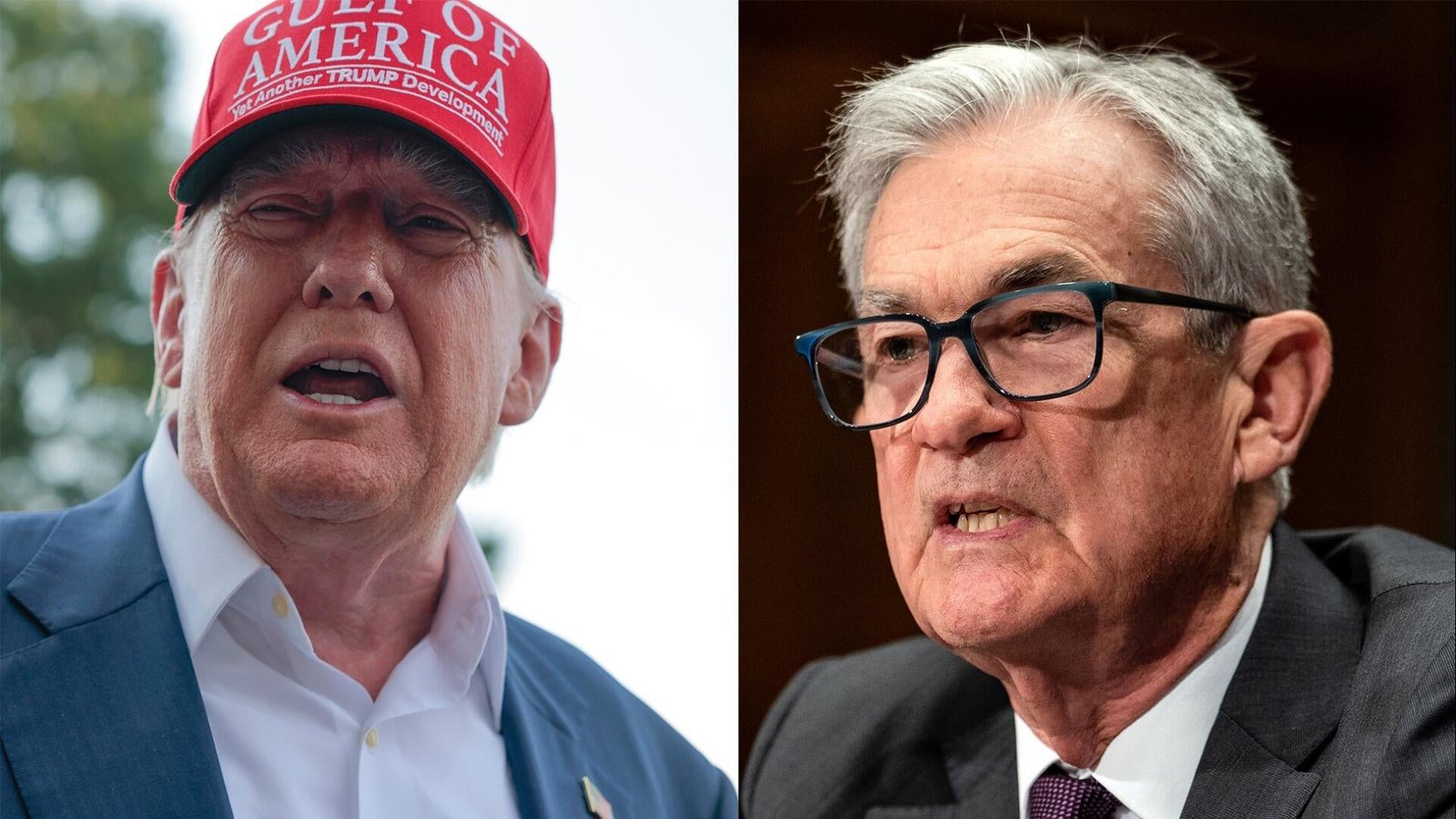

Trump’s interest rate cuts have been a cornerstone of his economic strategy, as he seeks to influence the Federal Reserve’s monetary policies. The former President firmly believes that aggressive reductions in interest rates will stimulate growth and foster job creation across the nation. As his trusted advisor, Kevin Hassett, emerges as a potential nominee for a key position at the Fed, these cuts may become a pivotal part of Trump’s upcoming economic agenda. Meanwhile, Treasury Secretary Steven Mnuchin is reportedly working to finalize candidates for the central bank’s leadership, with various notable contenders in the mix. With such developments underway, the focus on interest rate policies continues to intensify, raising questions about the future direction of U.S. financial stability and growth.
The dialogue surrounding Trump’s economic strategy revolves significantly around the potential for decreased borrowing costs through interest rate reductions. This approach is not just about lowering rates; it reflects his broader vision for invigorating the American economy. As discussions unfold regarding key appointments at the Federal Reserve, including candidates like Hassett and possible involvement by Mnuchin, the emphasis on monetary easing remains critical. Investors and analysts alike are closely monitoring how these decisions might shape financial markets, especially concerning the central bank’s rate-setting approach. Understanding these dynamics is crucial, as they could significantly impact economic growth and overall market stability.
Trump’s Interest Rate Cuts: The Central Bank’s Future
Donald Trump’s interest rate cuts have become a hot topic, indicating a shift in the traditional economic policies of the Federal Reserve. His approach resonates with a desire to stimulate economic growth, especially following signs of market stagnation. By advocating for aggressive rate cuts, Trump’s strategy aims to lower borrowing costs, thereby encouraging spending and investment across various sectors. The anticipated nomination of Kevin Hassett aligns with this vision, as both are noted for their alignment in economic ideology regarding interest rate policies.
As pressure mounts for the Federal Reserve to adjust its monetary policies, Trump’s interest rate cuts have been backed by key figures like U.S. Treasury Secretary Steven Mnuchin, who is integral to the selection of the next Fed chair. The possibility of Hassett taking the role brings a sense of unity in the pursuit of an overarching economic strategy that prioritizes lower interest rates. This shift could potentially change the dynamics in financial markets, bringing both opportunities and challenges as stakeholders prepare for a new wave of economic adjustments.
The Hassett Fed Nomination: Key to Economic Policy
The Federal Reserve nomination process has gained significant attention, particularly with Kevin Hassett’s potential candidacy. Trump’s endorsement is crucial, given that Hassett’s economic views align closely with his policies, emphasizing the importance of crucial interest rate cuts. This nomination could herald a new era for the Federal Reserve, pushing it to adopt more aggressive monetary strategies, which many believe are necessary in today’s fluctuating economic landscape. Informed sources suggest that Hassett’s acceptance of the position could lead to a consensus in monetary policy that prioritizes growth.
With the U.S. Treasury Secretary overseeing the nomination process, Trump’s economic strategy might hinge significantly on the selection of Hassett or another candidate who shares his vision. This is an opportunity to reshape interest rate policies in a way that aligns with the administration’s goals. Market analysts are closely monitoring these developments, recognizing that the eventual nominee—potentially Hassett—will be pivotal in influencing both current and future Federal Reserve actions in response to economic challenges.
Mnuchin’s Role in Shaping the Next Federal Reserve Chair
Steven Mnuchin’s involvement in the nomination process of the Federal Reserve chair is critical to understanding the future of U.S. monetary policy. With Trump expressing his preferences for certain candidates, including a notable interest in Mnuchin himself assuming the Fed chair position, the strategy moving forward appears to revolve around aggressive interest rate adjustments. Mnuchin’s insights into economic stability and growth could significantly influence candidates’ selection and the broader interest rate landscape.
As a key player in Trump’s economic framework, Mnuchin holds significant sway in selecting a nominee who will not only support interest rate cuts but actively advocate for them. This relationship suggests that whoever takes the helm at the Fed will be required to align their vision closely with Trump’s economic policies. As discussions unfold, the presence of candidates such as Hassett will likely reflect Mnuchin’s preferences, further shaping the trajectory of the Federal Reserve’s approach to future economic challenges.
Exploring Candidates for the Federal Reserve: A Competitive Landscape
The realm of Federal Reserve candidates is rich with potential, presenting a competitive landscape for Trump’s economic strategy. Names such as Christopher Waller, Michelle Bowman, and Kevin Warsh have emerged as strong contenders alongside Kevin Hassett. Each candidate brings unique insights into interest rate policies that could significantly impact monetary policy direction. The selection process led by Mnuchin becomes increasingly complex as these candidates represent divergent perspectives on how the Fed should manage interest rates in an unpredictable economic climate.
As Trump prepares to announce his nominee, the surrounding discussions encapsulate the balance between traditional economic protocols and the administration’s desire for a more aggressive stance on interest rate cuts. Candidates like Waller and Bowman are wary of overly accommodative policies; hence, the choice of Hassan could be a pivot point toward a coherent monetary policy under the Trump administration. This selection is not only about filling a position but also about establishing a clear economic agenda responsive to the current market’s needs.
The Impact of Interest Rate Policies on Economic Growth
Interest rate policies play a pivotal role in shaping economic growth, influencing everything from consumer spending to corporate investment decisions. Trump’s emphasis on reducing interest rates aims to revive economic momentum, particularly post-pandemic. By lowering the cost of borrowing, his strategy seeks to promote increased capital expenditures by businesses and more substantial consumer engagement in the market. This approach can significantly alter the economic landscape, boosting job creation and overall economic expansion.
However, aggressive interest rate cuts, such as those recommended by Hassett, can have side effects, including inflationary pressures if not matched by corresponding economic output. The Federal Reserve’s challenge lies in striking the right balance to foster growth without triggering instability. As Trump aligns more closely with candidates who share his economic philosophy, the implications of these interest rate policies will be critical for both the short-term and long-term health of the U.S. economy.
Navigating the Future with Trump’s Economic Vision
Trump’s economic vision, particularly concerning monetary policy, is marked by a fierce commitment to aggressive interest rate cuts aimed at fostering growth. With potential nominees for the Federal Reserve reflecting this outlook, the future of U.S. economic policy may hinge on these appointments. The emphasis on lower rates underlines a broader strategy to enhance business investments and consumer confidence, critical for a recovering economy. This directional focus continues to frame the monitoring and evaluation of economic indicators moving forward.
As Trump weighs his options, the stakes involved extend beyond mere monetary policy adjustments; they reflect a profound commitment to shaping the prospect of the U.S. economy. It is essential for policymakers to navigate the terrain ahead carefully, leveraging the insights of selected Federal Reserve candidates to create a coherent strategy that balances growth prospects with sustainable economic practices. The interplay between the administration and the Fed will shape the economic story of the next chapter in U.S. fiscal history.
The Importance of Aligning Fed Chair with Trump’s Strategy
The selection of a Federal Reserve chair who aligns with Trump’s economic strategies is crucial for the coherence of the administration’s fiscal policies. The new chair must navigate the delicate balance of supporting interest rate cuts while managing inflationary risks. This alignment is sought to maintain economic momentum and support a thriving business environment—a core directive of Trump’s economic agenda, particularly as the administration approaches critical fiscal deadlines.
A candidate like Hassett may ensure that the Fed’s policies are in sync with the administration’s goals, which could drive the commitment to fostering growth through accessible credit markets. Additionally, the relationship forged between the newly appointed chair and the Treasury will be pivotal in architecting policies that respond effectively to emerging economic challenges. As the Fed gears up to implement the changes, the upcoming nomination is more than a procedural step—it’s a crucial pivot point in the U.S. economic recovery narrative.
Reviewing Trump’s Economic Achievements and Challenges
Trump’s economic achievements, notably during his tenure, were grounded on stimulating growth through deregulation and interest rate cuts. The favorable borrowing environment created by the Fed during this time empowered businesses to invest and expand, contributing to lower unemployment rates and rising stock prices. However, these policies came with challenges, such as the threat of overheating the economy, necessitating a thoughtful approach as the administration considers its next steps under new Fed leadership.
As market conditions evolve, the review of Trump’s economic policies reveals a complex interplay of successes and areas requiring further strategic adjustments. The anticipated Federal Reserve nominee will need to navigate the tensions of balancing growth with prudent monetary policy to sustain momentum. This ongoing evaluation will shape future policy proposals and economic models that align with the overarching goals of sustained prosperity and financial stability.
Frequently Asked Questions
nn
What impact would Trump’s interest rate cuts have on the economy?
Trump’s interest rate cuts are designed to stimulate economic growth by lowering borrowing costs for consumers and businesses. This can encourage spending and investment, potentially leading to increased employment and higher GDP growth.
nn
How does the Hassett Fed nomination influence Trump’s interest rate policies?
The Hassett Fed nomination is significant as it indicates Trump’s preference for a Federal Reserve that supports aggressive interest rate cuts. If Hassett is confirmed, his decisions may align closely with Trump’s economic strategy, prioritizing lower rates to boost the economy.
nn
What role does Mnuchin play in Trump’s interest rate cuts strategy?
U.S. Treasury Secretary Mnuchin plays a crucial role in Trump’s interest rate cuts strategy by overseeing the selection of Federal Reserve candidates. His influence could shape the Fed’s direction and impact the implementation of Trump’s desired interest rate policies.
nn
Are there alternative candidates for the Federal Reserve under Trump’s interest rate policies?
Yes, aside from Hassett, other notable Federal Reserve candidates include Christopher Waller and Michelle Bowman, as well as former governor Kevin Warsh and bitcoin-etfs/" class="bpay-semantic-link" style="color:#0a7a64; font-weight:700; text-decoration:none;" target="_blank" rel="noopener">BlackRock’s Rick Rieder. Their perspectives on interest rate policies may differ, impacting Trump’s overall economic strategy.
nn
Why is Trump’s preference for interest rate cuts significant for financial markets?
Trump’s preference for interest rate cuts is significant because lower rates typically boost financial markets by increasing liquidity. Investors often respond favorably to such policies, anticipating enhanced economic activity and corporate earnings, which can lead to higher stock prices.
nn
What has been Trump’s history with interest rate policies?
Trump has historically advocated for low interest rates to stimulate growth. He often criticized the Federal Reserve when rates were deemed too high, reflecting his broader economic strategy to promote consumer spending and investment.
nn
How might Trump’s economic strategy evolve with potential Fed chair changes?
If Trump successfully appoints supporters of interest rate cuts, like Hassett or potentially Mnuchin, his economic strategy may evolve to prioritize aggressive monetary policies aimed at fostering robust growth and addressing any economic slowdowns.
nn
What does Trump’s interest in Mnuchin as Fed chair imply about his rate cut agenda?
Trump’s interest in Mnuchin as Fed chair suggests a strong inclination towards an easier monetary policy stance. Mnuchin’s acceptance of the role could align the Federal Reserve’s decisions more closely with Trump’s interest rate cut agenda.
nn
Summary
Trump’s interest rate cuts are influenced by his trust in key economic advisors like Hassett, who favor a more aggressive monetary policy. With the potential announcement of a new nominee before the Christmas holiday, the focus remains on how these appointments can affect the Federal Reserve’s stance on interest rates in the future.
nn
Related: More from Market Analysis | Related Box Test | Crypto Worries Over Iranian Oil Supply: Is It Overhyped? in Crypto Market