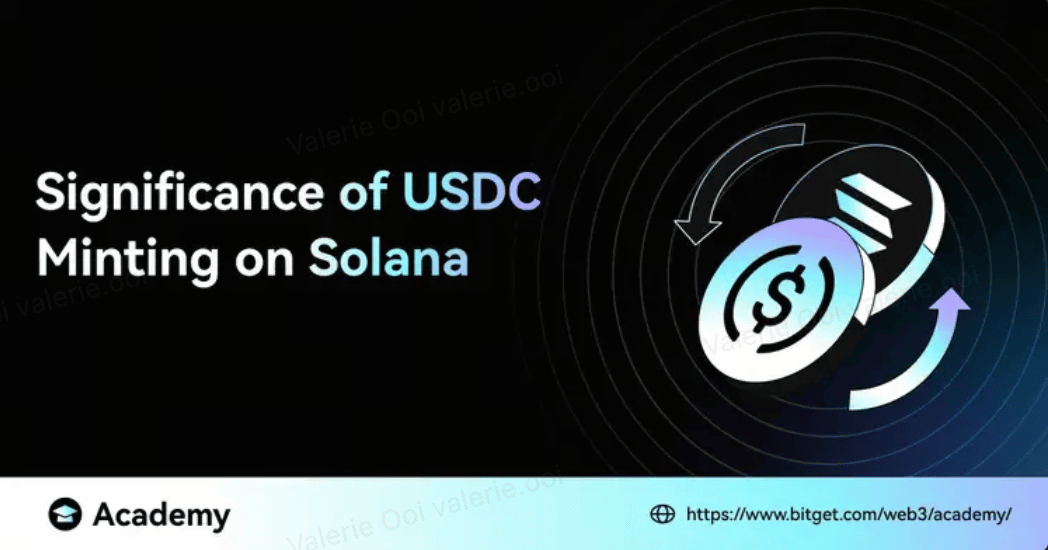

In recent developments, USDC minting has gained significant attention as Circle announces the minting of another 500 million USDC. This latest issuance brings the grand total for USDC and its competitor Tether to an impressive 18.25 billion USD since October 11. The surge in USDC minting is not merely a statistic; it signals a robust movement within the stablecoin market that could reflect increasing capital inflow and renewed investor confidence. Moreover, with major players like Circle and Tether leading the charge in cryptocurrency issuance, the narrative surrounding stablecoins continues to evolve. As investors seek reliable assets, USDC stands out as a key player in the rapidly shifting landscape of digital finance.
The recent surge in the creation of USD Coin, or USDC, underscores a pivotal moment in the cryptocurrency landscape, particularly within the realm of stablecoins. The act of minting additional USDC not only highlights the activities of Circle but also indicates a broader trend toward the expansion of digital currencies like Tether. In this context, we are witnessing a significant uptick in cryptocurrency issuance, which could suggest a favorable shift in market dynamics. Analysts are closely observing these developments, as they could lead to enhanced purchasing power and increased capital flow into the crypto market. Overall, the continuous evolution and adoption of stablecoins like USDC are fostering a new phase in the world of digital finance.
Understanding USDC Minting and Its Implications
Circle’s recent decision to mint an additional 500 million USDC has sparked significant interest within the stablecoin market. This move is not merely a financial transaction; it represents an ongoing confidence in USDC as a reliable digital currency. The total issuance with Tether now stands at 18.25 billion USD since October 11, highlighting the pivotal role of these stablecoins in the cryptocurrency ecosystem. As stakeholders analyze this minting activity, they ponder its broader implications for market liquidity and investor confidence.
The minting of USDC by Circle is viewed as a strategic response to the evolving dynamics in cryptocurrency issuance. In the aftermath of the market adjustment on October 11, many analysts believe that substantial minting actions are indicative of enhanced capital inflow. Investors may perceive this as a precursor to bullish market trends, suggesting that the demand for stablecoins like USDC is likely to rise. Such developments can significantly impact trading behaviors and shift capital towards various assets within the blockchain space.
The Role of Tether in the Stablecoin Market
Tether’s role in the stablecoin market remains crucial, especially in light of its co-issuance alongside Circle’s USDC. The expansive reach of Tether as a primary asset in cryptocurrency has cemented its standing as a significant player, influencing market stability and liquidity. The joint minting efforts of Tether and Circle suggest a robust demand for stable assets, particularly as traders seek a safe haven during volatile market periods.
As both Circle and Tether mint additional quantity of stablecoins, it creates a ripple effect across the entire cryptocurrency landscape. Increased Tether USDC availability can lead to more significant capital inflows into the market. This influx not only stabilizes prices but could also serve as a precursor to increased trading volumes and higher overall market capitalization, which is essential for attracting new investors into the crypto sector.
Market Reactions to Circle’s Capital Movements
The recent capital movements initiated by Circle, particularly through the minting of USDC, have initiated a varied set of reactions within the cryptocurrency community. Investors closely watch such developments as they can indicate broader market trends. With the total stablecoin issuance now exceeding 18 billion USD, stakeholders are on the lookout for signals that could suggest growing market confidence or potential price adjustments across various cryptocurrencies.
Moreover, analysts view Circle’s actions as potential indicators of increased capital inflow into cryptocurrency markets. The alignment of capital flows with market conditions can lead to much-needed liquidity, especially after a period of readjustment. As the stablecoin sector continues to develop, it will be interesting to observe how Tether and Circle deploy their resources to influence both the volatility and stability of the cryptocurrency market.
Future Prospects of USDC in Cryptocurrency Issuance
The minting of USDC now position Circle as a formidable contender in the cryptocurrency issuance landscape. With continuous support from market participants and increasing adoption of digital assets, USDC is well-poised for future growth. As companies and investors increasingly leverage digital currencies for transactions, the demand for stablecoins will likely surge, which may prompt further minting by Circle.
In the longer term, if Circle maintains its strategy of minting USDC in response to market demand, it could solidify its position in the stablecoin market. A stable and growing issuance of USDC can provide significant liquidity, helping to stabilize market fluctuations. This will be crucial for its acceptance in mainstream finance and could influence the overall dynamics of the cryptocurrency market significantly.
The Impact of Stablecoin Minting on Market Dynamics
Stablecoin minting, such as Circle’s latest actions with USDC, has far-reaching implications for market dynamics. When significant amounts of stablecoins are introduced into circulation, it often reflects underlying sentiments in the crypto market, such as optimism for price increases or a hedge against potential downturns. Circle’s recent minting can, therefore, be interpreted both as a response to and a catalyst for shifting market conditions.
Moreover, as confidence in stablecoins like USDC increases, it tends to foster a healthier trading environment for cryptocurrencies at large. The ability to transact securely with USDC provides users security against market volatility, subsequently impacting trading patterns and adoption rates. This was evident in the recent market adjustments where increased stablecoin liquidity led to improved trading operations across various platforms.
Circle and Tether: A Competitive Landscape
The competitive landscape between Circle and Tether provides a fascinating study on the evolution of the stablecoin market. Both companies have established themselves as leading issuers of stablecoins, with Tether’s USDT frequently acting as the market benchmark. Circle’s recent minting of USDC adds a layer of competition, as it strives to capture a larger share of market demand for stable assets.
The rivalry between Circle and Tether is emblematic of the broader shifts within the cryptocurrency industry as established players look to buck trends and increase their market presence. As both entities mint significant volumes of stablecoins, the stakes increase, compelling them to innovate and adapt strategies to attract investors and traders, ultimately benefiting users with more flexible options.
Decoding the Factors Influencing USDC Adoption
The rate of USDC adoption and minting hinges on several interconnected factors, including market sentiment, regulatory frameworks, and the growing acceptance of digital currencies in mainstream finance. Circle’s steady approach to minting, valued at 500 million USDC, suggests a responsive mechanism to these dynamics, facilitating greater user adoption of digital currencies amidst changing market conditions.
The implications of USDC adoption extend beyond merely the numbers; they signify a shifting mindset among investors and institutions towards embracing digital assets for transactions. With more companies recognizing the operational efficiencies offered by stablecoins, the future looks promising for Circle and its USDC issuance, suggesting a potential shift in how capital flows within the marketplace.
Understanding Capital Inflow in Cryptocurrency Markets
Capital inflow is a critical indicator of economic health within the cryptocurrency ecosystem. The minting of USDC by Circle often correlates with increased capital inflow, as market participants leverage stablecoins to stabilize holdings during uncertain periods. This movement can directly influence overall market activity and price dynamics, as more capital typically leads to greater trading volumes.
Such capital inflows reflect broader investor confidence and can signal bullish market tendencies. The recent actions of Circle, in conjunction with Tether’s minting activities, underscore the potential for capital to flow into cryptocurrency markets, thereby bolstering liquidity and fostering a more vibrant trading environment. This underscores the importance of monitoring such trends for both investors and analysts alike.
Future Trends in Stablecoin Regulation
As the stablecoin market continues to grow, regulatory scrutiny is likely to intensify. Regulators are becoming increasingly aware of the implications of cryptocurrency issuance on financial stability and consumer protection. This regulatory landscape will play a vital role in shaping the future of stablecoins like USDC and their market acceptance.
Circle’s proactive approach to compliance and transparency in its USDC issuance could position it favorably in a future where stablecoin regulation is prevalent. Stakeholders will need to keep a close eye on regulatory developments, as they could significantly impact market dynamics, user confidence, and the broader adoption of cryptocurrencies.
Frequently Asked Questions
What does USDC minting mean in the context of Circle’s recent announcement?
USDC minting refers to the process by which Circle creates new USDC tokens to increase the total supply of this stablecoin. Circle recently announced the minting of 500 million USDC, indicative of demand in the stablecoin market and potential capital inflow.
How does USDC minting by Circle impact the stablecoin market?
Circle’s USDC minting can significantly influence the stablecoin market, as it increases the supply of USDC, which is often perceived as a sign of stabilizing capital inflow and increased purchasing power among investors.
What is the relationship between Tether USDC minting and Circle’s stablecoin issuance?
Tether and Circle are the two primary issuers of stablecoins, with recent reports indicating that they have collectively minted 18.25 billion USD worth of stablecoins since October 11, which reflects the dynamics of cryptocurrency issuance in response to market conditions.
Why did Circle mint another 500 million USDC recently?
Circle minted an additional 500 million USDC to align with increased demand in the cryptocurrency market, a move that can indicate heightened capital inflow and investor confidence in stablecoins like USDC.
What are the implications of large-scale USDC minting on the cryptocurrency market?
Large-scale USDC minting, such as the recent 500 million by Circle, is often seen as a bullish indicator for the cryptocurrency market. It suggests a rise in capital inflow, reflecting growing investor interest in stablecoins and the overall digital asset ecosystem.
How does the recent USDC minting activity affect cryptocurrency investors?
The recent USDC minting by Circle not only increases the liquidity available via stablecoins but also provides cryptocurrency investors with more options for capital deployment, potentially enhancing market stability and growth.
Can USDC minting by Circle influence other stablecoins like Tether?
Yes, Circle’s USDC minting can influence other stablecoins like Tether. When major players like Circle mint significant amounts, it often prompts competitive responses or adjusted strategies from other stablecoin issuers, impacting the overall stablecoin landscape.
What trends can we observe from the capital inflow indicated by USDC minting?
The capital inflow suggested by USDC minting during market adjustments points to increased confidence in cryptocurrency assets amid volatility, highlighting a trend where stablecoins are used as mechanisms for liquidity and market support.
| Key Point | Details |
|---|---|
| Total USDC Minted | Circle has minted a total of 500 million USDC. |
| Total Stablecoin Issued by Circle and Tether | The combined total issuance since October 11 is 18.25 billion USD. |
| Market Interpretation | Large-scale minting indicates potential capital inflow or purchasing power. |
Summary
USDC minting has recently seen a significant uptick, with Circle minting an additional 500 million USDC, contributing to a total issuance of 18.25 billion USD in collaboration with Tether since October 11. This increase in stablecoin supply often signals a potential rise in capital inflow, reflecting greater market confidence and purchasing power.
Related: More from DeFi & Stablecoins | Stablecoin Payments Focus Shifts to User Networks | ETH Bounces Back: Why TradFi Favors ETH Rise in Stablecoin