


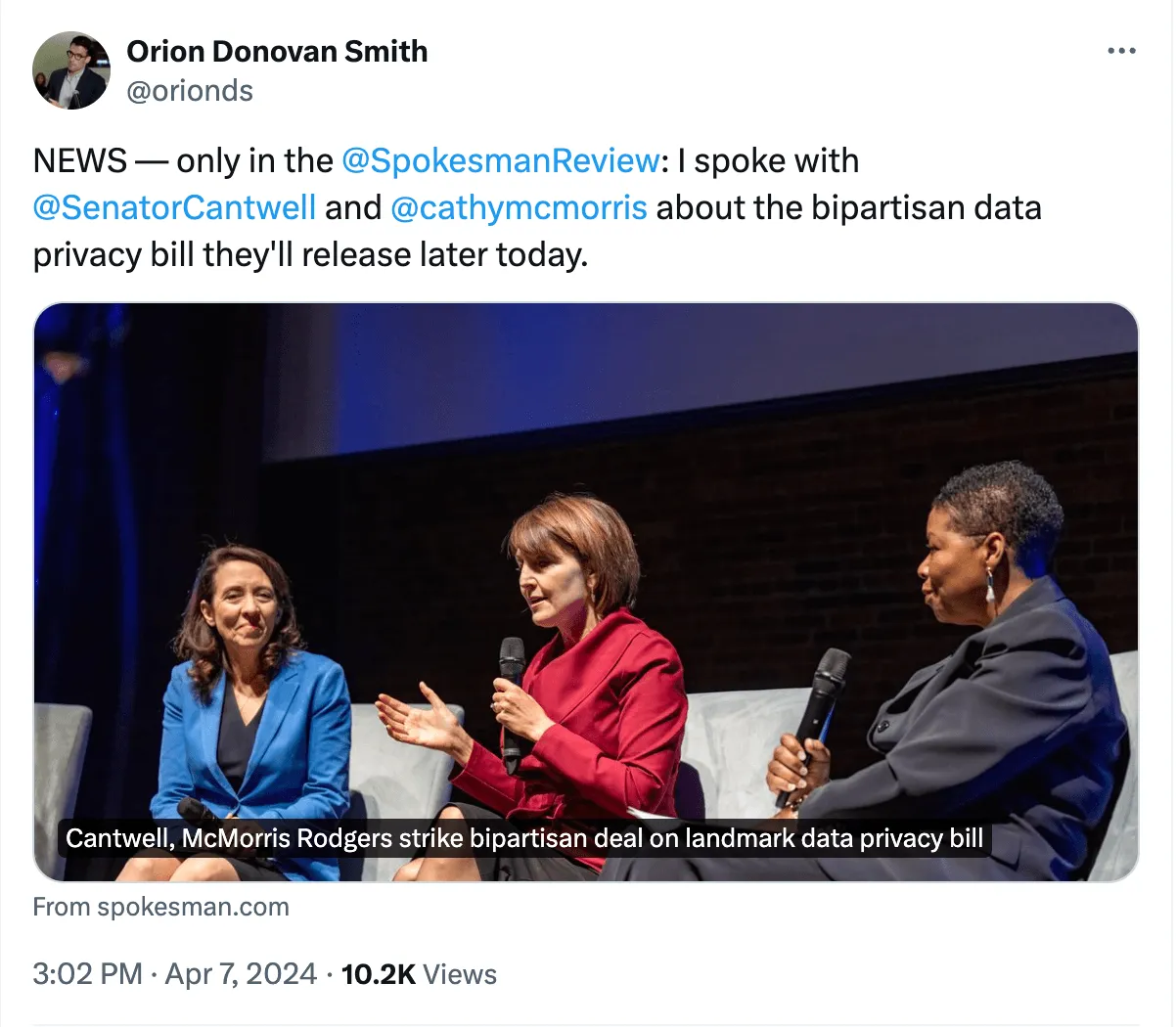

In a surprising turn of events, Texas Senator Ted Cruz has single-handedly halted bipartisan legislation aimed at protecting Americans from the exploitation of their personal data by commercial entities. This legislation, which garnered support from both sides of the aisle, sought to establish stronger safeguards against the sale of personal information, a growing concern in the digital age where data breaches and privacy violations are becoming increasingly commonplace.
The proposed bill aimed to enhance consumer privacy by limiting the ability of companies to sell personal data without explicit consent from individuals. Advocates argued that such measures were essential for safeguarding citizens’ information and restoring trust in technology companies. However, Cruz cited law enforcement concerns as the primary reason for his opposition. He expressed worries that the restrictions could hinder law enforcement’s ability to gather critical information during investigations, potentially compromising public safety.
This unexpected move has raised eyebrows among lawmakers and privacy advocates alike, who argue that the protection of consumer data should not be sacrificed for the sake of law enforcement demands. Supporters of the legislation believe that a balance can be struck that allows for both privacy protection and law enforcement needs without undermining either.
As the debate continues, it remains to be seen how this division will affect future efforts to establish comprehensive data protection laws. The fight for consumer privacy is far from over, but Cruz’s actions have undeniably thrown a wrench into what many hoped would be a unifying initiative to safeguard American citizens in an increasingly data-driven world.
Related: More from Security & Hacks | Sun Yuchen Ex-Girlfriend Rumors: The Truth Behind Cybercrime Allegations | Infostealer Malware: Why Millions Are at Risk of Credential Theft
