


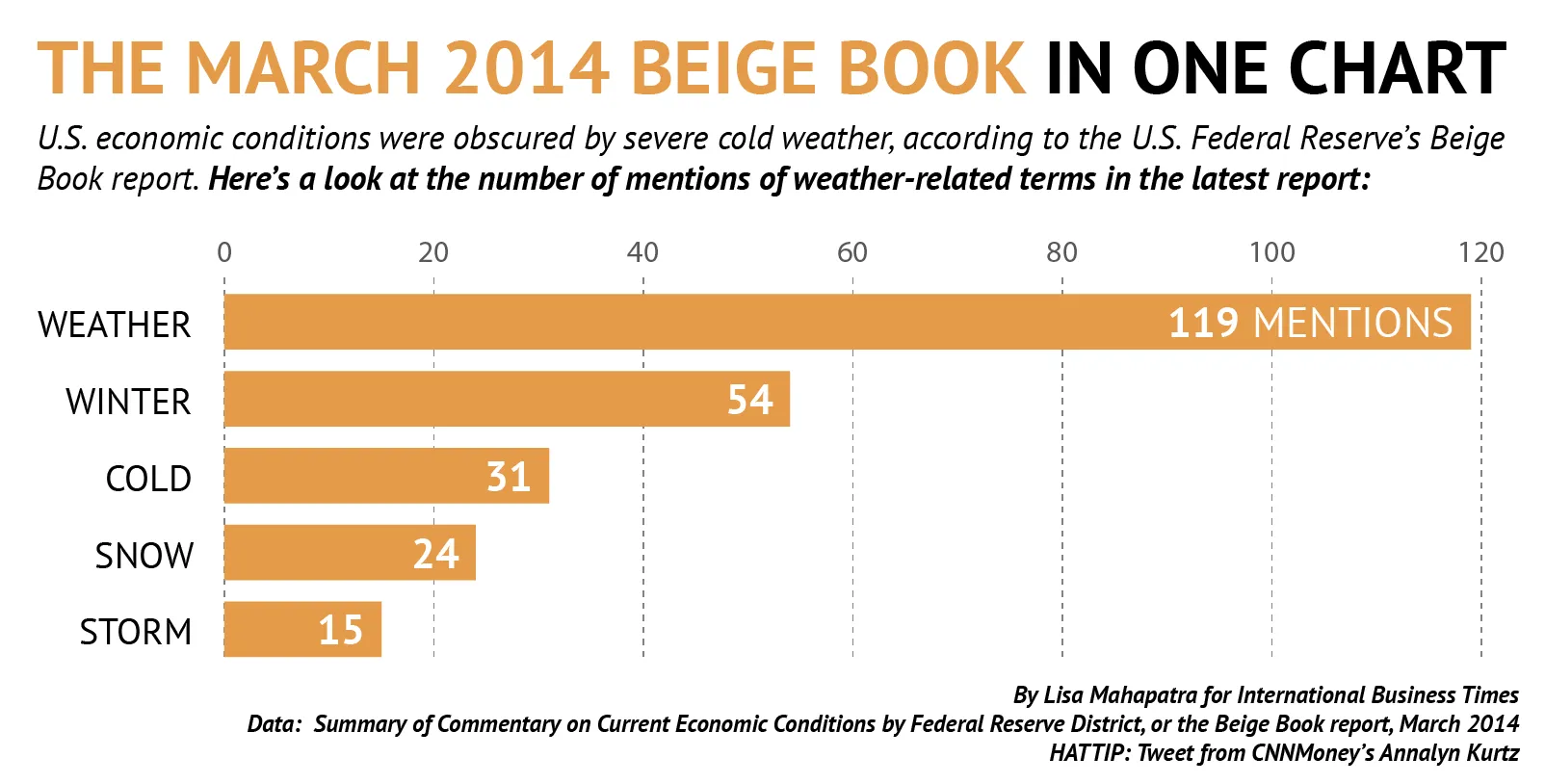

The Federal Reserve Beige Book serves as a crucial barometer of the U.S. economy, providing invaluable insights into labor demand trends and overall economic conditions across various regions. Released eight times a year, this qualitative report compiles anecdotal information from businesses and other economic indicators, highlighting shifts in regional employment patterns. Recently, it was reported that employment numbers dropped slightly, with many regions reflecting a muted demand for labor. As such, the Beige Book offers a comprehensive overview that helps shape the Fed’s economic outlook amidst fluctuating market conditions. By analyzing these trends, policy-makers can better understand how to foster employment growth and address emerging economic challenges.
The Federal Reserve Beige Book, often referred to as the “Current Economic Conditions,” encapsulates the dynamic landscape of employment and business activity across the United States. This essential economic review collects firsthand accounts from various sectors, shedding light on labor demand and its inconsistencies in different regions. As policymakers and economists sift through these observations, they gain a clearer perspective on economic indicators that may influence the broader labor market. Recent findings indicate a slight decline in job creation, prompting a closer look at regional employment levels and their implications for future economic strategies. Through this comprehensive examination, the insights shared in the Beige Book play a pivotal role in guiding the Federal Reserve’s policy decisions.
Overview of the Federal Reserve Beige Book
The Federal Reserve Beige Book serves as a crucial economic indicator, offering insights into the current state of the U.S. economy. This periodic report compiles anecdotal information on economic conditions gathered from various Federal Reserve Districts. By analyzing this data, economists can gain a better understanding of trends in employment, consumer spending, and overall economic growth. Recent findings from the Beige Book highlight reports of weak labor demand, suggesting that many regions are currently facing challenges in job creation.
Notably, the Beige Book encompasses a broad spectrum of economic indicators, including employment reports and labor demand trends. This report not only informs policymakers about prevailing economic conditions but also assists businesses and investors in making informed decisions. The recent observations indicate a slight decline in employment numbers across several regions, pointing toward a potentially cautious Fed economic outlook.
Understanding Labor Demand Trends
Labor demand trends reflect the needs and behaviors of employers seeking to fill positions within the economy. Recent reports indicate a dip in labor demand across multiple regions, which could be attributed to economic uncertainties and shifts in consumer behavior. Employers may be hesitant to expand their workforce or may be experiencing difficulties in hiring due to mismatches in skills or a lack of qualified candidates.
These labor demand trends are important for assessing the overall health of the job market. A decrease in demand for labor often corresponds with a rise in unemployment, affecting regional employment levels. Understanding these trends can help policymakers implement effective strategies to invigorate job growth and stabilize the economy.
The Fed is continually monitoring these labor demand trends as part of its economic oversight. Insights from the Beige Book can inform decisions regarding monetary policy adjustments aimed at fostering employment opportunities and sustaining economic expansion.
Impact of Economic Indicators on Employment
Economic indicators play a vital role in assessing the state of the job market and understanding job availability within different sectors. Key indicators such as GDP growth, inflation rates, and retail sales provide a comprehensive picture of the economy’s health. The recent Beige Book highlighted a troubling trend where half of the Federal Reserve regions reported lagging employment numbers amid weak labor demand, signaling potential instability in economic performance.
By analyzing these economic indicators, we can discern patterns that affect employment rates. For instance, sluggish economic growth may lead to companies delaying hiring or reducing their workforce. Consequently, understanding the interplay between these indicators and employment is critical for forecasting future labor market conditions.
Regional Employment Dynamics
Regional employment dynamics illustrate the differences in job growth and labor demand across various geographic locations in the U.S. Recent findings from the Federal Reserve Beige Book reveal that several regions are experiencing weaker labor demands, leading to concerns about local economic stability. For instance, regions heavily dependent on particular industries may struggle more than diversified economies.
These regional disparities can complicate efforts to implement uniform economic policies, as local conditions differ significantly. Policymakers must consider these dynamics when reviewing employment reports and taking steps to address labor market challenges across diverse areas.
The Fed Economic Outlook and Employment Prospects
The Federal Reserve’s economic outlook is crucial in determining future employment trends across the nation. As illustrated in the most recent Beige Book, many regions are reporting challenges that have implications for labor demand and employment. A cautious Fed economic outlook often stems from various economic indicators suggesting potential stagnation, influencing the decisions of businesses and their hiring strategies.
When the Fed signals concerns about the economy, it can impact consumer confidence and business investments, creating a ripple effect on employment. Understanding this relationship between the Fed’s economic outlook and job prospects helps analysts and businesses prepare for potential shifts in labor demand.
Analyzing Changes in Employment Reports
Changes in employment reports serve as a barometer of economic health and labor market conditions. The Federal Reserve Beige Book’s latest findings reflect a notable change in employment numbers, indicating a slight decline, particularly in regions where labor demand is weak. Such shifts in data necessitate a thorough analysis to understand the underlying factors affecting employment.
Economists and analysts closely monitor these employment reports as they provide critical insights into worker availability, wages, and sector performance. Reports that reflect a decrease in jobs can prompt discussions about necessary interventions to stimulate economic activity and improve labor market conditions.
The Connection Between Labor Demand and Wage Growth
Labor demand is intrinsically linked to wage growth, as higher demand often leads to increased wages. However, the recent downturn highlighted in the Federal Reserve Beige Book suggests that weak labor demand could stall wage growth in several regions. Employers facing challenges in finding qualified workers might reduce hiring, consequently affecting wage increases.
Understanding these dynamics is essential for both policymakers and workers. When labor demand is low, employees may find it challenging to negotiate better wages, leading to stagnation in household income levels. As economists analyze these patterns, it becomes clear that fostering labor demand is crucial to sustaining wage growth and overall economic stability.
The Role of Policy in Shaping Employment Trends
Policy decisions at the federal and state levels significantly influence employment trends. The Federal Reserve Beige Book provides insights that can guide policy interventions aimed at bolstering labor demand and supporting job creation. Recent reports hint at a decline in employment numbers, which may prompt policymakers to implement measures conducive to stimulating economic growth.
Effective policies can incentivize businesses to hire and retain employees, thereby improving labor demand. For instance, tax incentives for businesses or enhanced training programs can empower workers to meet the demands of evolving industries. Ultimately, the relationship between policy and employment trends is pivotal for creating sustainable economic growth.
Future Outlook for Employment and Economic Growth
The future outlook for employment and economic growth remains uncertain given the current trends highlighted in the Federal Reserve Beige Book. A decline in employment numbers and weak labor demand calls for caution, particularly among businesses planning for expansion. Economic growth forecasts depend heavily on labor market conditions and overall consumer confidence.
As economic challenges persist, analysts urge continual monitoring of key indicators to anticipate potential changes in employment. Understanding these relationships will aid businesses and policymakers in navigating the path towards recovery and sustained economic growth in the face of labor demand fluctuations.
Frequently Asked Questions
nn
What is the Federal Reserve Beige Book and what does it report on?
The Federal Reserve Beige Book is a report that summarizes economic conditions across various regions in the United States. It provides insights into employment trends, labor demand, and overall economic indicators, helping to assess the Fed economic outlook.
nn
How does the Federal Reserve Beige Book influence labor demand trends?
The Federal Reserve Beige Book highlights labor demand trends by documenting regional employment conditions and workforce challenges. Insights from the report can impact economic policies and labor market strategies.
nn
Why is the Federal Reserve Beige Book important for understanding economic indicators?
The Federal Reserve Beige Book is crucial for understanding economic indicators because it aggregates qualitative information from regional banks, offering a real-time assessment of economic activity, employment statistics, and regional labor demand.
nn
How often is the Federal Reserve Beige Book published?
The Federal Reserve Beige Book is published eight times a year, providing timely updates on employment and economic conditions across different regions, reflecting the Fed’s current economic outlook.
nn
Can I find specific information about regional employment in the Federal Reserve Beige Book?
Yes, the Federal Reserve Beige Book includes specific details about regional employment trends, capturing insights from various districts regarding job growth, labor shortages, and regional economic health.
nn
What was the recent trend in employment reported in the Federal Reserve Beige Book?
In the latest Federal Reserve Beige Book, employment numbers showed a slight decline, with approximately half of the regions indicating weak labor demand, signaling potential challenges in the job market.
nn
How does the Federal Reserve Beige Book relate to the Fed economic outlook?
The Federal Reserve Beige Book directly relates to the Fed economic outlook by providing qualitative data on economic indicators, employment conditions, and labor demand across regions, aiding policymakers in their economic assessments.
nn
How can businesses use insights from the Federal Reserve Beige Book regarding labor demand?
Businesses can leverage insights from the Federal Reserve Beige Book to adjust hiring strategies, anticipate labor shortages, and respond to regional employment trends, ultimately aligning their operations with market conditions.
nn
Summary
The Federal Reserve Beige Book highlights key economic trends and conditions, revealing that employment numbers have experienced a slight decline. Notably, around half of the reporting regions are indicating weak labor demand, which raises concerns about future employment growth and overall economic stability.
nn
Related: More from Market Analysis | Polymarket: Traders Bet $500M on US in Crypto Market | Related Box Test