

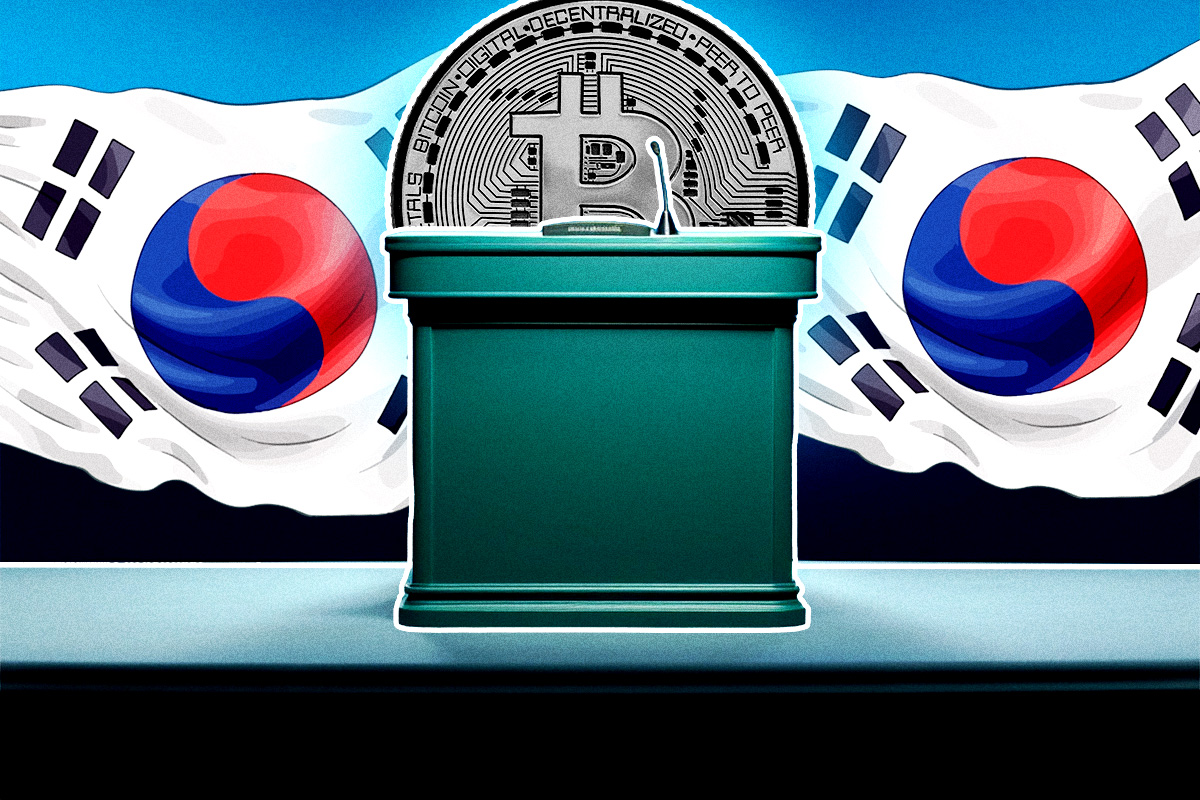

The recent acquisition of South Korea’s largest crypto exchange, Dunamu, by tech titan Naver Financial marks a significant development in the cryptocurrency landscape. This all-stock deal, valued at approximately $10.29 billion, is currently pending regulatory approval and promises to reshape the dynamics of digital finance in the nation. With Upbit leading the charge, this merger is garnering considerable attention in Upbit exchange news and the broader financial community. As both companies aim to harness stablecoin developments South Korea, this acquisition highlights the increasing convergence of traditional and crypto finance. As the deal progresses, the implications for crypto regulatory approval and the broader market will be keenly watched by investors and analysts alike.
In the evolving landscape of digital currency, the impending acquisition of Dunamu by Naver Financial represents a pivotal shift in South Korea’s tech and finance sectors. This strategic move, highlighted in Naver Financial news, signifies a growing interest in integrating cryptocurrency operations with established financial platforms. As Naver absorbs Dunamu, operator of the prominent Upbit exchange, the focus on stablecoins is set to propel both firms into a new era of financial innovation. The anticipated merger not only emphasizes the importance of obtaining crypto regulatory approval but also sets a foundation for future developments in the rapidly changing world of digital assets. With the backing of one of South Korea’s most influential technology companies, the future looks promising for participants in the country’s cryptocurrency market.
The Naver Financial Acquisition of Dunamu: Insights and Implications
The acquisition of Dunamu, operator of South Korea’s premier crypto exchange Upbit, by Naver Financial marks a significant evolution in the landscape of fintech and cryptocurrency in South Korea. With Naver’s firm entering the $10.29 billion all-stock acquisition, this strategic move signals a robust commitment to not only expanding but also solidifying Naver’s presence in the digital asset market. By integrating Dunamu into its operations, Naver is well-positioned to leverage Dunamu’s innovative blockchain technologies and customer base, creating enhanced service offerings alongside its widely recognized payment systems.
As this acquisition unfolds, it comes at a time when the synergy between cryptocurrency platforms and traditional financial institutions is becoming increasingly pivotal. Both companies have emphasized their intentions to maintain operational independence post-merger, fueling speculation about future collaborative innovations. The potential for creating comprehensive product ecosystems, such as integrated stablecoins or advanced trading features on Upbit, promises to attract a larger user base, thereby enhancing revenue streams for both entities.
Additionally, as the regulatory framework evolves in the crypto sector, this merger could potentially set a precedent for future crypto exchanges in South Korea. The involvement of South Korea’s Fair Trade Commission in reviewing this acquisition underscores the importance of adherence to regulatory standards within the fast-paced crypto environment. It will be vital to observe how these developments affect the competitive landscape within the region and what it may mean for other players in the financial tech sphere.
While Naver and Dunamu are keen to ensure stability during this transition, the implications of such a merger extend beyond internal operations. As adoption of cryptocurrency grows, their combined efforts in navigating regulatory approvals can play a critical role in shaping public policy and acceptance. With both firms poised at the intersection of technology and finance, they may help inform new guidelines for crypto engagements across South Korea, contributing to an evolving marketplace that balances innovation with consumer protection.
Regulatory Dynamics and Future Growth in South Korea’s Crypto Market
The regulatory landscape in South Korea has been a topic of robust discussion, especially with respect to cryptocurrency and digital assets. The recent acquisition of Dunamu by Naver Financial exemplifies the intricate dynamics of crypto regulatory approval, which remains a topic of focus as both enterprises seek to merge. The Fair Trade Commission’s role in approving the merger will not only dictate the futures of both companies but could also shape the broader narrative on regulatory practices for crypto exchanges in South Korea.
In tandem with the Dunamu-Naver merger, South Korea is witnessing an array of developments regarding stablecoins. With Naver planning to issue a won-backed stablecoin amid regulatory changes, this could bolster consumer confidence and establish trust in cryptocurrency transactions. Reports about KakaoBank’s own stablecoin initiatives further illustrate the race among financial institutions to launch compliant digital assets. This convergence of regulatory acceptance and innovative financial products could pave the way for a new digital economy in South Korea.
Moreover, the regulatory approval process will likely examine the economic implications of such stablecoins on the local market, serving as critical points of analysis for potential future initiatives. As both Naver and Dunamu push boundaries within this sector, they may become key players that influence regulatory frameworks and facilitate broader acceptance of digital assets in traditional sectors.
The success of this merger could stimulate more partnerships, formalizing the links between old and new financial systems. As both companies explore restructuring strategies, the resultant ecosystem may present new market opportunities that could transform payment systems, crypto trading, and investment avenues within Korea’s thriving financial tech landscape.
Emerging Trends in Stablecoins: The Future of Digital Currency in Korea
The impending merger of Naver Financial and Dunamu brings to the forefront the critical role of stablecoins in South Korea’s financial landscape. With aspirations to launch a won-backed stablecoin, Naver is setting the stage for how digital currencies may operate within the ecosystem of regulated financial products. Stablecoins are quickly gaining traction as they provide a reliable bridge between fiat currency and the volatile world of cryptocurrencies, which is poised to appeal to conservative investors in South Korea.
Furthermore, the dynamic of stablecoin developments in South Korea is not an isolated venture; KakaoBank’s plans for its own won-backed stablecoin point towards a burgeoning trend among major financial players to explore the considerable benefits of digital assets. As countries around the world recognize the utility of stablecoins in facilitating seamless transactions, South Korea appears well-positioned to lead these developments in the East, thanks to its robust technological infrastructure and advanced financial services.
The proposed stablecoins by leading companies like Naver and KakaoBank may not only serve retail transactions but could also fulfill essential roles in cross-border payments. This possibility underscores the importance of establishing compliant frameworks that govern stablecoin operations, particularly in light of international regulatory variances. As such, the upcoming regulatory approval processes will be vital in determining how stablecoins can thrive in this dynamic and rapidly evolving sector.
By staying ahead of the curve with digital currency initiatives, major South Korean tech firms are likely to set benchmarks in the financial technology arena. This could lead to more robust partnerships between fintech companies and traditional banks, promoting greater accessibility to digital currency innovations for consumers.
Naver and Dunamu: Revolutionizing the Crypto Ecosystem in South Korea
The fusion of Naver Financial and Dunamu promises to revolutionize the South Korean crypto ecosystem. As Naver, a giant in the tech space, combines forces with Dunamu, the operator of Upbit, the implications for both companies and the wider market are profound. This merger not only consolidates major resources but also opens up avenues for enhanced financial products, including advanced features for crypto trading and e-commerce integration.
Moreover, this strategic alliance positions both firms as formidable competitors in the expanding global digital asset economy. With Naver’s lead in digital payment solutions and Dunamu’s established presence in the cryptocurrency sector, the new entity is likely to enhance user experiences and trust in digital transactions. By elevating service standards within the industry, the merger could attract a wider audience to crypto investments and usage.
Both Naver and Dunamu value innovation, making them well-suited partners in exploring new frontiers in finance, such as decentralized finance (DeFi) solutions or blockchain-backed applications that could benefit everyday users. Their combined expertise may also foster an environment conducive to greater innovation in trading practices, asset management solutions and consumer protection mechanisms—further solidifying their standing in the fast-evolving digital finance landscape.
The anticipated partnership may also serve as a template for future acquisitions within the industry, encouraging other tech firms to explore synergies with crypto-focused companies. By embracing change and leading with innovative solutions, Naver and Dunamu could shape the direction of crypto-financial services in South Korea, prompting a wave of enhancements that will significantly impact users and investors alike.
Competitive Advantages of the Dunamu-Naver Merger in the Crypto Space
The proposed merger between Dunamu and Naver not only signifies a monumental shift in South Korea’s cryptocurrency industry but also offers substantial competitive advantages for both parties. The integration of Dunamu’s Upbit exchange into Naver’s robust ecosystem creates a diversified portfolio that includes cutting-edge blockchain technology and a vast user base familiar with digital finance. This unique combination positions the newly formed entity to leverage significant synergies that could reshape service delivery in the crypto sector.
Through this merger, the teams can share knowledge and resources, enhancing their capabilities in product development, marketing strategies, and customer engagement. This collaborative potential can fuel growth and stimulate innovation—developing new features or services that cater directly to consumer needs within the cryptocurrency market. Notably, this also provides both firms with a strategic advantage in navigating regulatory landscapes as a unified entity.
Furthermore, given the increasing interest in crypto investments among the general public, particularly younger demographics, the alliance could attract a broad spectrum of users, including those hesitant to explore cryptocurrencies previously. By utilizing Naver’s established brand trust and Dunamu’s market influence, they are expected to capture a significant share of emerging retail investors seeking entry into cryptocurrency and blockchain technologies.
This merging of expertise could also lead to improved security measures within digital transactions and investments—essential as cyber threats evolve. By pooling resources, both companies can bolster their systems against potential risks, offering users increased confidence in their digital ecosystem and fostering loyalty as they transition into a more crypto-centric future.
Navigating the Future of Crypto Regulations in South Korea
As the acquisition of Dunamu by Naver Financial progresses, the regulatory landscape surrounding cryptocurrencies in South Korea is under intense scrutiny. South Korean regulators, particularly the Fair Trade Commission, play a critical role in deciding the outcome of this high-profile merger, as they assess potential market impacts and industry fairness. The evolving crypto regulatory environment serves as a reflection of broader global shifts as countries adapt to the burgeoning influence of digital currencies.
Navigating these regulations will be paramount for both Dunamu and Naver as they intertwine their operations in a manner conducive to compliance. Insights from regulatory approvals in other jurisdictions will likely inform South Korean guidelines, especially in determining acceptable practices for stablecoins and other crypto products. This moment presents an opportunity for governments to foster an ecosystem that embraces innovation while safeguarding consumer interests.
Moreover, the resolution of regulatory examinations has potential ramifications for other crypto businesses entering the market, as successful navigation could encourage further investments and mergers. A regulatory framework that provides clarity could also enhance stability within the crypto space, positioning South Korea as a benchmark for responsible crypto practices in the region.
As discussions around regulatory standards continue to develop, stakeholders—including consumers, investors, and tech companies—must be involved in shaping future policies. Engaging with the regulatory process to create a balanced approach will be crucial as South Korea seeks to remain competitive in the fast-evolving landscape of global cryptocurrency.
The Integration Process of Naver and Dunamu: Strategies for Success
Successfully integrating Naver and Dunamu will require a strategic approach to manage human resources and operational alignment effectively. This merger represents a significant cultural shift for both firms as they work to blend their distinct business models and company values. Establishing clear communication channels and a cohesive integration strategy will be essential to ensure that teams from both companies collaborate effectively towards common goals.
Moreover, leadership from Naver and Dunamu must remain proactive in addressing potential challenges that may arise during the integration process. By fostering a culture of transparency and inclusivity, they can minimize disruptions that often accompany mergers, ensuring employees remain engaged and motivated. Regular feedback mechanisms and updates about merger progress will also be vital in promoting confidence among staff and stakeholders.
The blending of resources will allow for greater innovation in product offerings while also achieving efficiencies in operations. To capitalize on these benefits, Naver and Dunamu should conduct thorough assessments of existing protocols and practices in both organizations, identifying areas for optimization that will drive overall performance after the merger.
Continuous evaluation of market trends and consumer preferences will also inform future strategies post-merger. By leveraging data analytics to understand user behavior, the combined entity can develop tailored services that cater to evolving needs within the South Korean digital finance space.
Consumer Expectations Following the Naver and Dunamu Merger
With the announcement of the merger between Naver and Dunamu, consumer expectations within the cryptocurrency sphere are growing. As both firms bring their established reputations into a unified front, users are likely anticipating enhancements in products and services that address their concerns and needs more effectively. Trust and security remain paramount in the crypto industry, and as such, consumers may place heightened pressures on the merged entity to reassure them of safety, reliability, and compliance.
In addition to enhanced security measures on trading platforms like Upbit, users may also expect new features and capabilities that streamline their experience as they navigate the world of cryptocurrency. This could include more intuitive interfaces, faster transaction processing, or even improved educational resources to guide new investors through the complexities of digital finance. Naver’s strengths in technology and customer engagement will be critical factors in shaping user experiences post-acquisition.
Furthermore, as market competition heats up in South Korea’s digital finance sector, user expectations surrounding competitive fees and services may influence the strategic decisions made by the newly formed entity. Balancing innovative product offerings with cost-effectiveness will play a crucial role in retaining existing clients while attracting new users, particularly those skeptical about investing in cryptocurrency.
Consumer feedback will be essential throughout the integration phase, providing crucial insights into their satisfaction levels and areas for improvement. By actively engaging with users during this transition, Naver and Dunamu can foster loyalty and community support as they navigate the next chapters of their combined journey.
Frequently Asked Questions
What does the Dunamu Naver merger mean for the South Korean crypto exchange industry?
The Dunamu Naver merger indicates a significant shift in the South Korean crypto exchange landscape, effectively combining Upbit, the largest crypto exchange, with Naver Financial, a leading technology platform. This acquisition aims to streamline operations and foster innovation, particularly in stablecoin developments in South Korea.
How will the Upbit exchange news impact investors and users?
The Upbit exchange news, regarding the aquisition by Naver, suggests promising enhancements in user experience, security, and service offerings. Investors and users can anticipate improvements as the merged entity focuses on compliance and expanding its product range, including news on stablecoin initiatives.
What are the implications of crypto regulatory approval on the Dunamu Naver merger?
Crypto regulatory approval is crucial for the Dunamu Naver merger as it ensures compliance with South Korean regulations. The merger’s success hinges on obtaining the nod from regulators, which will help legitimize future stablecoin developments and safeguard investor interests.
What does the stablecoin developments in South Korea entail for the future of cryptocurrencies?
Stablecoin developments in South Korea are poised to bridge the gap between traditional finance and the crypto market. With the Dunamu-Naver merger focusing on issuing a won-backed stablecoin, this initiative may enhance the use of digital currencies in everyday transactions, thus driving wider adoption.
How will the Dunamu merger with Naver affect the competitive landscape of crypto exchanges in South Korea?
The Dunamu merger with Naver is likely to intensify competition in the South Korean crypto exchange market. With Naver’s technological prowess and Dunamu’s established presence through Upbit, this partnership could set a benchmark for operational excellence and innovation in crypto trading.
What role does the Fair Trade Commission play in the Dunamu Naver merger?
The Fair Trade Commission plays a pivotal role in reviewing the Dunamu Naver merger for compliance with antitrust laws and market fairness. Their approval is essential for finalizing the acquisition, ensuring that the merged entity operates competitively within the South Korean crypto landscape.
How will the acquisition of Dunamu by Naver influence the future of digital assets in South Korea?
The acquisition of Dunamu by Naver is expected to significantly influence the future of digital assets in South Korea by enhancing liquidity, expanding product offerings—including stablecoins—and promoting regulatory frameworks that support digital finance, ultimately benefiting investors and users alike.
| Key Points |
|---|
| South Korea’s largest crypto exchange, Upbit, is being acquired by Naver Financial. |
| The acquisition is valued at $10.29 billion and is an all-stock deal. |
| Dunamu will become a subsidiary, and its leadership will be major shareholders in Naver Financial. |
| Both companies plan to maintain their operations post-merger and explore further growth opportunities. |
| The merger aims to integrate crypto and traditional finance, reflecting a global trend. |
| Stablecoins are pivotal to the deal, with plans from both companies to launch a won-backed stablecoin. |
| KakaoBank is also working on a Korean won-backed stablecoin and supporting infrastructure. |
| The merger awaits regulatory approval from South Korea’s Fair Trade Commission. |
Summary
The South Korea crypto exchange acquisition marks a significant shift in the country’s financial landscape as major player Naver Financial takes over Dunamu, the operator of Upbit. This strategic move not only consolidates the crypto exchange with a leading payments platform but also reflects the growing convergence of digital and traditional financial markets. With an emphasis on stablecoins and regulatory compliance, this acquisition could pave the way for innovative infrastructures and enhanced payment systems in South Korea’s burgeoning digital economy.
Related: More from Exchange News | Irans Crypto Shadow Economy Evades Sanctions in Crypto Exchange | BSP Proposes Stablecoin Yield Rules: Will It Impact Coinbase? in Crypto Exchange