


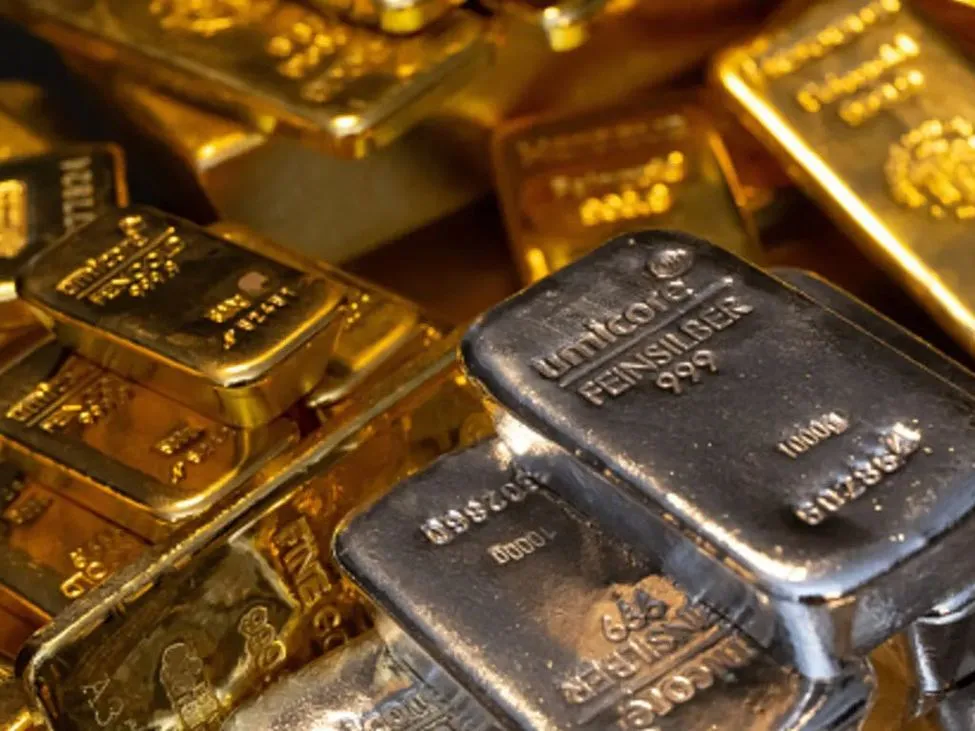

Deutsche Bank Sees Gold Hitting $3,950–$4,950 by 2026 as Central Bank Buying Tightens Supply Gold could surge to a new cycle peak by 2026, with Deutsche Bank projecting a trading range of $3,950 to $4,950 per ounce as persistent central bank purchases and constrained supply tighten the market. The bank warns, however, that firmer real yields, a stronger dollar, and equity market turbulence could test the rally.
At a glance
- Deutsche Bank projects gold at $3,950–$4,950 in 2026, citing resilient central bank demand.
- ETF flows and official-sector buying are diverting metal away from jewelry, tightening the market.
- Risks: smaller-than-expected Fed easing in 2026, equity drawdowns, and a potential Russia-Ukraine ceasefire.
- Silver and platinum seen in deficit next year; palladium viewed as broadly balanced.
- Elevated lease rates signal physical scarcity and tighter industrial availability.
Gold outlook: official-sector buying remains the anchor
Deutsche Bank points to “inelastic” central bank demand and renewed investment interest via ETFs as the core pillars of its bullish outlook, arguing that overall demand growth is outpacing mine and scrap supply. That dynamic continues to redirect metal away from the jewelry segment and into balance-sheet and investment channels. The forecast leans on the structural bid from reserve managers, a trend that has underpinned gold through episodes of higher real yields and a firm U.S. dollar. For macro traders, the message is that policy-rate uncertainty, geopolitical risk, and portfolio hedging remain live drivers of FX and precious metals correlations into 2026.
Macro risks: real yields, equities, and geopolitics
While constructive on the medium-term path, Deutsche Bank flags several hazards:
- Fed path vs. market pricing: The bank’s house view assumes roughly 50 bps of easing in 2026, less than the near-1 percentage point embedded by markets. That implies higher-for-longer real yields—a traditional headwind for non-yielding assets like gold and a potential support for the U.S. dollar.
- Risk correlation turns: Gold can show a positive beta to risk in certain regimes; a deeper equity correction could weigh on the metal as broader de-risking tightens liquidity across assets.
- Geopolitical premium: A negotiated end to the Russia–Ukraine conflict could remove part of gold’s haven bid, at least temporarily, and slow the pace of official-sector accumulation.
- Mean reversion risk: Rapid gains in real gold prices have historically been followed by meaningful pullbacks as positioning and macro narratives reset.
Spillover to silver, platinum, and palladium
Deutsche Bank expects the precious complex to benefit if gold extends higher. The bank highlights
consecutive years of undersupply
in silver and platinum, arguing that elevated lease rates signal physical scarcity and tighter conditions for industrial users who often prefer to lease rather than own metal. For 2025, the bank anticipates:
- Silver: Supply-demand deficit persists, supportive of price beta to gold.
- Platinum: Ongoing deficit amid constrained supply and steady industrial demand.
- Palladium: Market seen as broadly balanced, implying more selective upside relative to peers.
Trading take
With policy-rate convergence slower than markets previously priced, the gold path into 2026 hinges on how real yields and the dollar evolve alongside official-sector purchases. For FX desks, a firmer USD on shallower Fed cuts could cap upside in the near term, but a durable central bank bid and tight physical markets keep dips shallow. Cross-asset, watch equity volatility and liquidity conditions: a disorderly risk-off could initially pressure gold via deleveraging before haven flows reassert. As always, positioning and time horizon matter. Deutsche Bank’s range implies elevated volatility and the potential for sharp corrections even within a bullish regime, a backdrop BPayNews will continue to monitor across metals and FX.
FAQ
Why does Deutsche Bank expect higher gold prices by 2026?
The bank cites persistent central bank buying, renewed ETF interest, and demand growth outpacing supply. These forces divert metal from jewelry into investment and reserve channels, tightening the market.
What are the main risks to the bullish gold view?
Key risks include smaller-than-expected Fed easing that keeps real yields higher, a deeper equity market correction that tightens cross-asset liquidity, a geopolitical de-escalation in Russia–Ukraine that trims haven demand, and the potential for mean reversion after strong price gains.
How does Fed policy affect gold and FX?
Less Fed easing typically supports the U.S. dollar and lifts real yields, both of which can weigh on gold. A stronger dollar also tightens financial conditions for commodities priced in USD, influencing flows across FX and metals.
What is the outlook for silver, platinum, and palladium?
Deutsche Bank expects silver and platinum to remain in deficit next year, aided by tight physical markets and elevated lease rates, while palladium is viewed as broadly balanced.
What should traders watch next?
Monitor U.S. real yields, the dollar index, ETF flows into precious metals, central bank purchase disclosures, and lease rates for signs of physical tightness. Equity volatility and geopolitical developments will also shape gold’s risk premium.
Related: More from Market Analysis | Polymarket: Traders Bet $500M on US in Crypto Market | Related Box Test