

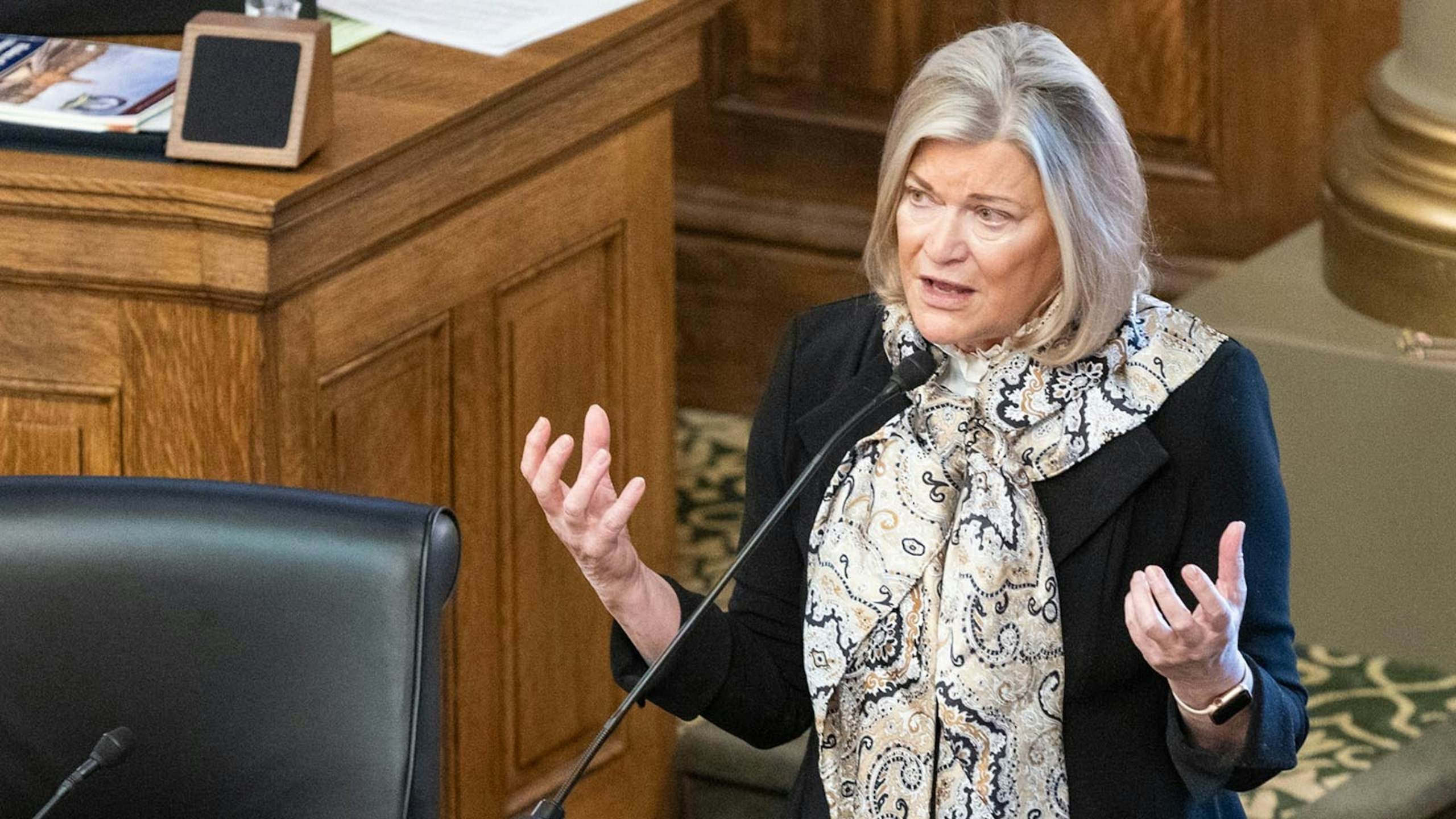

Cynthia Lummis, a U.S. Senator known for her vocal support of cryptocurrencies, recently addressed the controversial actions of JPMorgan regarding the closure of Jack Mallers’ personal account. This move sparked a significant discussion surrounding JPMorgan Bitcoin and the broader implications for the crypto industry. Lummis emphasized that such actions are part of a larger pattern, dubbing it “Operation Chokepoint 2.0,” which stifles innovation in digital finance. Her statement sheds light on growing concerns about crypto banking issues, particularly how traditional financial institutions are restricting access to the rapidly evolving crypto market. With the ongoing debate around banking practices and digital assets, Lummis’ insights are crucial for understanding the future of cryptocurrency regulations.
In her recent commentary, Senator Cynthia Lummis highlighted the ongoing struggle within the financial system regarding cryptocurrency access and regulation. She expressed concern over JPMorgan’s decision to sever ties with a notable Bitcoin entrepreneur, Jack Mallers, which raised alarms about the treatment of digital asset companies. This situation exemplifies the recurring theme of systemic banking constraints against the emerging crypto landscape, often referred to as efforts to curb innovation through restrictive operations like “Operation Chokepoint 2.0.” By analyzing the implications of such banking practices, we can better understand the challenges facing traditional finance and how they intersect with the burgeoning world of cryptocurrencies.
Cynthia Lummis and the Impact of JPMorgan’s Decision on Crypto Banking
In a recent statement on the X platform, U.S. Senator Cynthia Lummis expressed her concerns regarding JPMorgan’s abrupt closure of Jack Mallers’ personal account. Mallers is the CEO of Strike, a notable Bitcoin financial service provider. Lummis highlighted that such actions by a major financial institution like JPMorgan do more than just affect one individual; they send shockwaves throughout the crypto community, raising significant questions about the future of digital asset banking. This incident exemplifies the challenges faced by cryptocurrencies and their advocates who strive for acceptance in mainstream finance.
Lummis further emphasized that the actions taken by JPMorgan reflect a disturbing trend she has termed “Operation Chokepoint 2.0.” This initiative suggests a coordinated effort by major banking entities to restrict or eliminate access for cryptocurrency-related businesses within the traditional banking system. By risking the credibility and trustworthiness of banks, JPMorgan’s decision is seen as a barrier against the growth of the crypto industry, pushing innovators and entrepreneurs to seek more supportive environments overseas.
Understanding Operation Chokepoint 2.0 and Its Effects on Cryptocurrencies
Operation Chokepoint 2.0 is a term that describes a renewed initiative by the banking sector to limit the support provided to cryptocurrency-related businesses. As Senator Lummis points out, this trend could have severe repercussions for the financial landscape. The aim of such operations appears to be to shield traditional banking interests from the disruptive nature of digital assets, which threaten established revenue models. This not only undermines public confidence in traditional banking but also alienates potential cryptocurrency adopters who might turn to overseas solutions instead.
Furthermore, Lummis argues that such approaches will backfire, ultimately degrading the quality and diversity of services available within the U.S. financial ecosystem. By creating obstacles for companies like Strike, noteworthy innovations in crypto banking could ultimately migrate abroad, where regulations may be more favorable. This shift could disadvantage U.S. consumers and businesses in favor of overseas competitors, fostering an environment where the growth of Bitcoin and other cryptocurrencies is stifled rather than nurtured.
Jack Mallers’ Role in the Bitcoin Financial Ecosystem
Jack Mallers, as the CEO of Strike, represents a significant voice in the Bitcoin financial ecosystem. His company’s efforts to integrate Bitcoin payments into everyday transactions have made it a pivotal player in the push for cryptocurrency adoption. The recent closure of his account by JPMorgan could be seen as a direct attack not only on him but also on the legitimacy of Bitcoin technology in mainstream finance. Mallers’ push for innovation in financial technology speaks to the growing demand for decentralized banking solutions that challenge the status quo.
By leveraging Bitcoin’s capabilities, Mallers provides consumers with alternatives to traditional banking, positioning his firm as a critical player amidst the ongoing debates surrounding crypto banking issues. The upheaval caused by such banking closures emphasizes the need for more robust support systems that enable startups like Strike to thrive without hindrance from conventional financial institutions. Mallers’ experience signifies the importance of navigating the complexities of this evolving landscape, which is increasingly influenced by both regulatory challenges and corporate actions.
The Future of Crypto Banking Amidst Resistance
The landscape of crypto banking is at a critical juncture, shaped by both regulatory challenges and the responses of major banking institutions like JPMorgan. As Senator Lummis highlighted, the recent actions taken against Jack Mallers’ account illustrate the growing tensions between traditional finance and the burgeoning digital asset industry. This ongoing struggle will likely impact how cryptocurrency is perceived and utilized within the broader economy moving forward.
Looking to the future, stakeholders in the crypto banking sector are calling for more transparency and fairness from traditional banks. They argue that a conducive environment for cryptocurrency innovation must include open access to financial services and an end to practices like Operation Chokepoint 2.0. The resolution of these issues will be paramount in determining whether cryptocurrencies can coexist within the established financial framework or if they will need to forge entirely separate paths.
Cynthia Lummis and the Legislative Push for Crypto-Friendly Banking
Senator Cynthia Lummis has emerged as a key figure in advocating for a more favorable regulatory environment for cryptocurrencies within the U.S. banking system. Her proactive stance highlights the need for legislation that fosters growth in the digital asset sector while addressing the legitimate concerns surrounding security and compliance. Lummis understands that in order to compete globally, the U.S. must adapt and provide clearer guidelines that encourage innovation in crypto banking.
Her commitment to supporting the cryptocurrency industry extends beyond mere remarks on social media. Lummis is actively working to introduce bipartisan legislation that will protect both consumers and innovators in this space. By addressing issues such as the closures of accounts like that of Jack Mallers, she aims to provide a platform for securing a stable and resilient infrastructure that can foster a thriving digital economy, countering the fear-inducing realities of Operation Chokepoint 2.0.
Rebuilding Public Trust in Traditional Banking and Crypto
The closure of accounts like that of Jack Mallers by JPMorgan has undoubtedly shaken public confidence in traditional banking systems. Senators like Cynthia Lummis are keenly aware that restoring this trust is essential, especially as more individuals turn to cryptocurrencies for their financial needs. Public sentiment is increasingly in favor of transparency, and banking institutions must adapt to these changing expectations or risk losing relevance in the finance sector.
To rebuild this trust, banks need to provide clear communication regarding their policies on cryptocurrency banking. Engaging with the crypto community and providing solutions rather than barriers can foster a positive relationship between traditional financial institutions and digital asset innovators. Initiatives aimed at transparency, education, and open dialogue are vital for bridging the gap, and ensuring that digital currencies can coexist with fiat currency in a supportive environment.
The Role of Major Banks in Shaping Crypto Regulations
Major banks like JPMorgan have an influential role in shaping the regulatory landscape surrounding cryptocurrencies. Their policies and operational decisions can have a cascading effect on how cryptocurrencies are viewed and adopted by the mainstream public. Senator Lummis’ remarks illustrate the importance of holding these banks accountable to ensure they do not stifle innovation through restrictive practices such as those seen in Operation Chokepoint 2.0.
As traditional banking institutions respond to the increasing popularity of Bitcoin and other digital assets, they face the challenge of reconciling their business interests with the need for regulatory compliance. The actions they take now will heavily influence the market’s direction, potentially paving the way for either robust growth opportunities or continued hostility towards emerging technologies. Engaging collaboratively with innovators can lead to a regulatory framework that benefits both sectors.
The Importance of Advocacy in the Bitcoin Community
Senator Lummis’s advocacy for the Bitcoin community is instrumental in pushing forward the conversation about the necessity of integrating cryptocurrency into the traditional financial market. By voicing the concerns over actions like those taken by JPMorgan against Jack Mallers, she brings attention to the need for systemic change in how banks approach digital assets. The Bitcoin community thrives on transparency and innovation, and Lummis’s role as a supporter can help foster a more welcoming environment.
Advocacy drives change, and her efforts highlight the importance of aligning the interests of traditional and digital currency stakeholders. It’s essential for community members to rally behind leaders who recognize the potential of cryptocurrencies not only as investment vehicles but as genuine financial solutions. Support from lawmakers such as Lummis ensures that the conversation continues, potentially influencing policies that shape the future of banking in a digital economy.
Navigating the Landscape of Cryptocurrency and Banking
The overlap between cryptocurrency and traditional banking presents unique challenges and opportunities. As seen in the updates surrounding JPMorgan and Jack Mallers, the existing framework often struggles to accommodate the innovative nature of digital assets. This tension underscores the importance of crafting a regulatory environment that supports rather than hinders advancements in technology and finance. As U.S. Senator Cynthia Lummis points out, the current trends hurting the crypto space necessitate urgent reforms.
To navigate this landscape effectively, it is essential for all stakeholders, from banks to crypto innovators, to engage in open dialogue. Understanding the needs and concerns of each sector will be critical in developing policies that encourage healthy competition. If traditional banks embrace digital currencies rather than resisting them, it may lead to a more integrated financial system where both traditional and decentralized finance can flourish side by side.
Frequently Asked Questions
What did U.S. Senator Cynthia Lummis say about JPMorgan’s actions regarding Jack Mallers?
U.S. Senator Cynthia Lummis criticized JPMorgan for closing the account of Jack Mallers, the CEO of Bitcoin financial company Strike, without explanation. She highlighted that such actions are part of a larger trend, which she refers to as Operation Chokepoint 2.0, that harms public confidence in traditional banking while driving the digital asset industry abroad.
How does Operation Chokepoint 2.0 relate to JPMorgan and the crypto banking sector?
Operation Chokepoint 2.0 refers to efforts within the banking sector, including actions by JPMorgan, that restrict or undermine the crypto banking industry. Cynthia Lummis argues these moves create hurdles for cryptocurrency firms and dampen consumer trust in banks, while steering investments away from the U.S. digital asset market.
What are the implications of JPMorgan’s account closure of a Bitcoin CEO, according to Cynthia Lummis?
Cynthia Lummis believes that the closure of Jack Mallers’ account by JPMorgan showcases a troubling trend in the banking industry, which can adversely affect innovation in the crypto banking sector. She argues that these actions could lead to diminished trust in traditional banking and reinforce the appeal of operating outside U.S. regulations.
What is the response from Cynthia Lummis regarding JPMorgan’s treatment of the crypto industry?
Cynthia Lummis expressed her disapproval of JPMorgan’s treatment of the crypto industry, particularly their unexplained closure of accounts related to cryptocurrency ventures like Jack Mallers’ Strike. She emphasizes that such actions undermine the credibility of U.S. banks and push cryptocurrency operations to foreign markets, which could stifle future industry development.
How does Jack Mallers’ account closure illustrate larger issues in crypto banking, as highlighted by Cynthia Lummis?
Jack Mallers’ account closure by JPMorgan exemplifies the broader issues Cynthia Lummis identifies in crypto banking, particularly the adverse effects of Operation Chokepoint 2.0. This scenario illustrates how banking institutions may exploit their control over financial systems to hinder the growth and acceptance of cryptocurrencies, raising concerns about transparency and fairness in financial services.
| Key Point | Details |
|---|---|
| Comment by Cynthia Lummis | U.S. Senator Cynthia Lummis expressed concern over JPMorgan’s closure of CEO Jack Mallers’ personal account. |
| Operation Chokepoint 2.0 | Lummis referred to a systematic effort termed ‘Operation Chokepoint 2.0’ targeting the crypto sector by the banking industry. |
| Impact on Public Confidence | Such actions by conventional banks like JPMorgan may degrade public trust in traditional banking systems. |
| Push Toward Digital Assets | The senator indicated that banking practices are fueling a shift of the digital asset industry to other countries. |
Summary
Cynthia Lummis JPMorgan’s actions raise critical concerns about the intersection of traditional banking and the evolving cryptocurrency landscape. By closing Jack Mallers’ account without justification, JPMorgan reflects what Lummis describes as a troubling trend within the financial sector. The senator argues that such moves not only undermine confidence in established banking institutions but also encourage innovation and investment in the digital asset space elsewhere. As discussions around crypto regulation evolve, the impact of traditional banks on digital finance will continue to be a significant topic.
Related: More from Regulation & Policy | Anthropic Founder Critiques Pentagons Choice as Unprecedented in Crypto Regulation | UK Gambling Regulator Examines Cryptocurrencies for Licensed Bettors in Crypto Regulation