


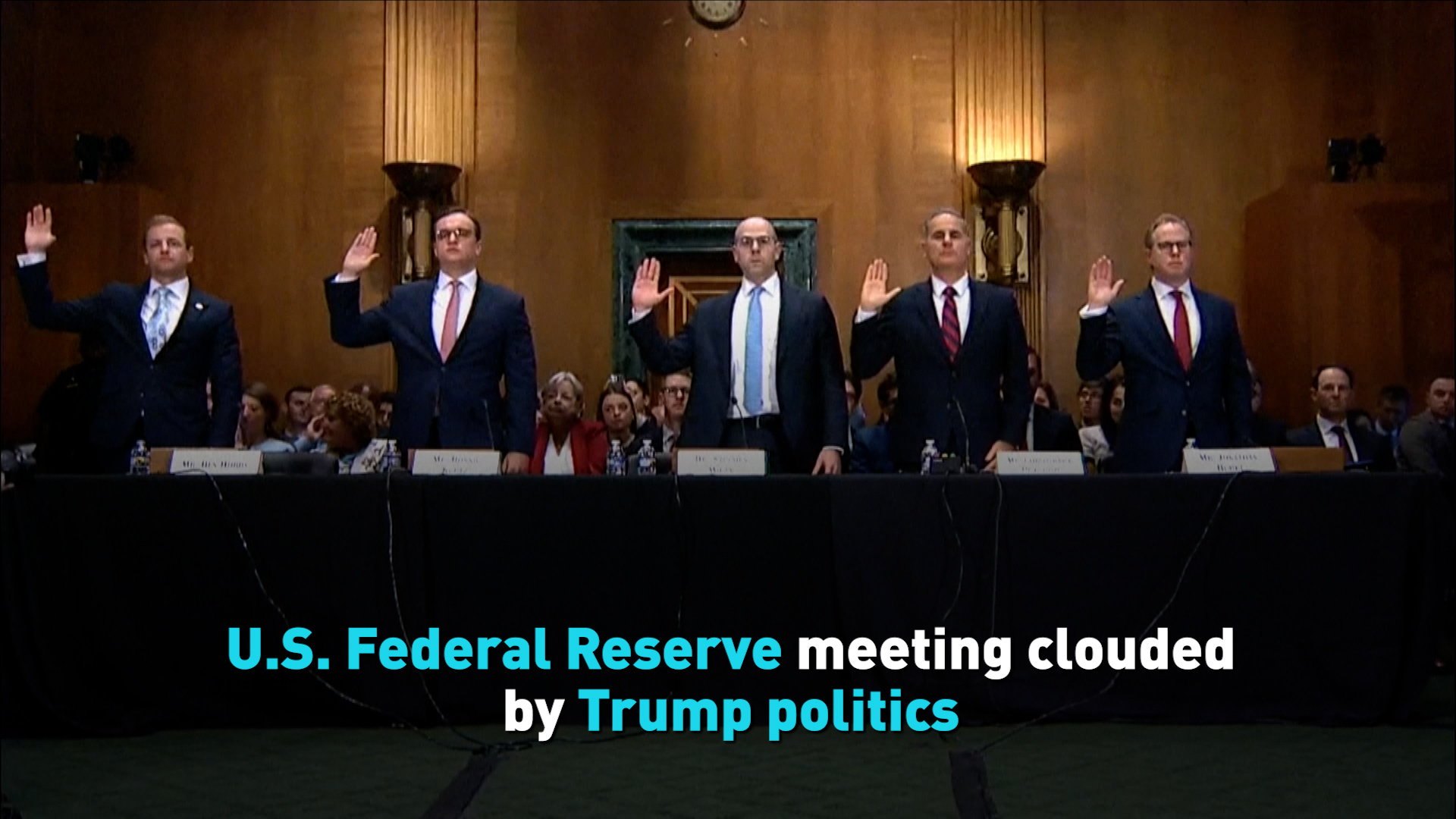

The recent decision regarding the Federal Reserve meeting postponement has sparked significant interest among economists and market analysts alike. Originally set for December 9-10, the timing coincides with critical economic data releases, including the non-farm payroll report and the Consumer Price Index (CPI) data report. Both of these economic metrics, pivotal for assessing labor market strength and inflation trends, are vital for the Federal Reserve’s data-driven approach in policy-making. Notably, EY Economist Gregory Daco has pointed out that it would be pragmatic for the Federal Reserve to delay its meeting by a week to incorporate these crucial insights. As financial markets remain attentive to these economic indicators, the potential for this postponement could set a new precedent in how central banks respond to changing fiscal landscapes.
Delaying a central bank’s meeting can occur for various reasons, particularly when significant economic indicators are on the verge of being released. In this context, the Federal Reserve’s decision to potentially shift its December gathering underscores the importance of analyzing the latest employment and inflation data, such as the forthcoming non-farm payroll and CPI reports. Economist Gregory Daco emphasizes that incorporating these essential statistics could enhance the Federal Reserve’s decision-making process. Adjusting the meeting schedule not only ensures that policymakers are informed with the latest figures but also reflects a commitment to data sensitivity in economic governance. Such a strategic move could resonate through financial markets and influence investor sentiment during this critical economic period.
Understanding the Implications of Federal Reserve Meeting Postponement
The discussion regarding the postponement of the Federal Reserve’s December meeting has garnered significant attention, primarily due to its timing with the crucial economic data reports set for release. Traditionally, the Federal Reserve evaluates a range of economic indicators, including the non-farm payroll and CPI data, to inform their monetary policy decisions. By contemplating a delay, the Federal Reserve may prioritize a more informed decision-making process, ultimately enhancing the credibility of its policies and ensuring they are truly data-driven. Gregory Daco, an economist at EY, has emphasized the rarity of such adjustments; however, the unique circumstances of the impending data releases warrant serious consideration.
Moreover, the postponement could have wider implications for the financial markets, reflecting the Fed’s responsiveness to economic indicators. Such a move could reassure investors and analysts that the Federal Reserve remains committed to making decisions rooted in solid economic fundamentals rather than adhering to a potentially arbitrary timeline. The broader economic landscape, affected by inflation rates and employment data, underlines the need for the Federal Reserve to act carefully, ensuring they leverage the most current data available before setting future interest rates.
Key Economic Reports Impacting Federal Reserve Decisions
The economic reports coinciding with the Federal Reserve’s meeting are critical for assessing the trajectory of the labor market and inflation. The non-farm payroll report is particularly essential, as it provides insights into job growth, unemployment trends, and overall economic health. Scheduled for release on December 16, this report will reflect changes since the previous month’s data cancellation, thereby carrying significant weight in influencing the Fed’s stance. This data equips the Federal Reserve with the necessary context to evaluate the efficacy of its policies aimed at fostering full employment and price stability.
Simultaneously, the Consumer Price Index (CPI) data, set to be disclosed shortly after on December 18, will shed light on inflation trends, particularly as the economy continues to grapple with post-pandemic shifts. Rising inflation rates can compel the Federal Reserve to take a more hawkish approach regarding interest rates, making it even more important to base their decisions on the most up-to-date figures. Collectively, these economic data reports serve as critical benchmarks that the Federal Reserve must weigh carefully when considering policy adjustments.
The Importance of Timely Economic Data for Policy Making
In the realm of monetary policy, timely economic data is invaluable for guiding decision-making processes. The Federal Reserve’s approach has increasingly emphasized data-driven strategies, where economic indicators dictate their course of action. Allowing for the integration of the latest non-farm payroll and CPI reports can enhance the precision of the Fed’s decisions in adjusting interest rates or implementing other monetary tools. As such, the proximity of these reports to the scheduled December meeting raises an essential debate on the necessity of postponing the meeting.
Furthermore, economists like Logan Mohtashami believe that a delay in the meeting would not only benefit the Federal Reserve’s decision-making but also reassure the markets. Investors thrive on certainty, and knowing that the Fed is considering the freshest economic data can reduce market volatility. This strategic delay could exemplify a commitment to transparency and thoroughness, crucial elements for maintaining trust in the Federal Reserve’s processes and preserving economic stability.
Potential Market Reactions to Meeting Postponement
The potential postponement of the Federal Reserve meeting is likely to stir various reactions in the financial markets. Investors closely watch Federal Reserve actions, and any indication of a delay could lead to fluctuations in stock prices, bond yields, and currency valuations. Market participants commonly interpret such decisions as signals about the Fed’s confidence in the current economic conditions. Should the meeting be postponed for further data assessment, it might instill a sense of caution among investors regarding future monetary policy decisions, potentially driving volatility in the markets.
On the other hand, a strategic postponement could also be seen as a prudent move that reinforces the Fed’s commitment to a transparent and informed policy-making process. This could foster greater investor confidence in the Fed’s commitment to addressing economic challenges, thereby stabilizing market reactions in the long run. As the market digests the implications of a postponed meeting, varying sentiments could emerge, influencing investment strategies and market dynamics as stakeholders adapt to new timelines.
The Role of Economic Experts Like Gregory Daco in Shaping Discussions
Economists such as Gregory Daco play a significant role in shaping the public discourse surrounding the Federal Reserve’s policies and decision-making processes. Their analyses and insights provide valuable context and allow stakeholders to better understand the potential impacts of various economic indicators on monetary policy. Daco’s input concerning the postponement of the Federal Reserve meeting underscores the necessity for informed deliberation, particularly in times when labor market and inflation data serve as linchpins for policy adjustments.
Moreover, expert opinions can influence market perceptions and sentiment. When a respected economist advocates for the Fed to consider data timing carefully, it elevates the discussion surrounding economic accountability and the importance of basing decisions on solid evidence rather than adherence to a strict schedule. This highlights the interplay between economic analysis and real-world applications, where experts help bridge the gap between economic theory and practical financial implications.
Analysis of Past Federal Reserve Meeting Adjustments
Historically, the Federal Reserve has been reluctant to alter the dates of its meetings, sticking to a defined schedule despite evolving economic conditions. Past decisions to adjust meeting timings have typically occurred under extraordinary circumstances, highlighting the Fed’s commitment to consistency in its policy framework. The rarity of these adjustments speaks volumes about the Federal Reserve’s operational philosophy, where stability and predictability are often prioritized to maintain market confidence.
Nevertheless, the current environment of heightened economic uncertainty, coupled with the significant reports imminent in December, is creating discussions about re-evaluating this approach. A shift in strategy that includes postponement could demonstrate responsiveness to macroeconomic signals, showcasing a willingness to adapt in light of critical data. Such decisions could set precedents for future Fed meetings, emphasizing the evolving nature of monetary policy in the context of real-time economic assessments.
Impact of Inflation Data on Federal Reserve Policies
Inflation data, as captured by the CPI report, holds substantial influence over the Federal Reserve’s monetary policy decisions. The Central Bank aims to maintain a delicate balance between fostering economic growth and controlling inflation levels, which are crucial components of its dual mandate. When inflation data indicates rising prices, the Fed may need to consider tightening monetary policy to cool down inflationary pressures, thus, the significance of timely data cannot be overstated.
As the release of the November CPI data approaches, market analysts, including Gregory Daco, are likely to scrutinize the numbers closely. Depending on whether inflation trends align with expectations, the Federal Reserve’s responses could range from maintaining current rates to implementing rate hikes. Consequently, the interaction between inflation data and the Fed’s policy framework highlights the importance of timing and comprehensive data analysis in shaping future decisions.
Labor Market Trends and Their Influence on Federal Reserve Decisions
The labor market is a critical area of focus for the Federal Reserve, functioning as a foundational element in assessing overall economic health. The forthcoming non-farm payroll report is expected to provide fresh insights regarding employment trends that have evolved amidst shifting economic conditions. In light of the canceled October data, the November report carries a heavier weight, as it will incorporate vital employment statistics that the Fed must consider when shaping its policy approach.
Through the lens of the Federal Reserve’s strategy, understanding employment conditions allows for a better appraisal of potential economic stagnation or growth. Therefore, anticipating labor market data can help economists and investors gauge the Fed’s next steps, impacting everything from interest rates to market perceptions. With influential economists like Gregory Daco advocating for careful consideration of this data, the dialogue surrounding labor market indicators is more relevant than ever as December approaches.
Future Outlook for Federal Reserve Monetary Policy
As discussions surrounding the potential postponement of the Federal Reserve’s December meeting gain traction, the future outlook for the Fed’s monetary policy remains closely tied to incoming economic data. Analysts predict that the combination of labor market and inflation reports will illuminate potential paths forward for the Central Bank. Should the data point towards sustainable growth and controlled inflation levels, the Fed may opt for a more cautious approach, allowing it to assess needs before making significant rate adjustments.
Conversely, if the reports indicate rising inflation or employment concerns, a more aggressive policy stance may be warranted. The dynamic nature of these economic signals underscores the importance of data availability in shaping the trajectory of monetary policy, emphasizing the potential for shifts in strategy based on real-world developments. As stakeholders await these critical reports, the implications for future Federal Reserve meetings and their decisions remain layered with complexity and uncertainty.
Frequently Asked Questions
Why might the Federal Reserve postpone the December meeting?
The Federal Reserve may consider postponing the December meeting to allow time for two significant economic data reports, the non-farm payroll report and the CPI data release, to become available. These reports are critical for informed decision-making about monetary policy.
What economic data reports are influencing the Federal Reserve’s December meeting schedule?
The December meeting’s timing is influenced by the upcoming November non-farm payroll report, which releases on December 16, and the November Consumer Price Index (CPI) data release on December 18. Both reports are essential for assessing labor market conditions and inflation, critical factors for the Federal Reserve’s decisions.
What did economist Gregory Daco suggest regarding the Federal Reserve’s meeting schedule?
Gregory Daco, an economist at EY, suggested that it may be ideal for the Federal Reserve to postpone its December meeting by a week. This recommendation comes in light of the proximity of key data releases, which are crucial for data-driven decision-making.
How does the timing of the Federal Reserve meeting relate to the non-farm payroll report?
The timing of the Federal Reserve meeting is closely related to the non-farm payroll report, which is set for release just a week after the originally scheduled meeting. Delaying the meeting would enable the Fed to consider this important labor market data, enhancing the quality of their economic assessments.
What concerns arise with the release of the CPI data before the Federal Reserve meeting?
Concerns arise that the Consumer Price Index (CPI) data will not be available before the Federal Reserve’s December meeting. As inflation is a key focus for policy decisions, having this data accessible would likely influence the Fed’s actions significantly. A postponement might ensure they base their decisions on the most current data.
Is it common for the Federal Reserve to change the meeting date?
It is extremely rare for the Federal Reserve to adjust its meeting schedule. However, given the unique circumstances of delayed economic data releases, some analysts, including Gregory Daco, are advocating for a more flexible approach this time.
What are the implications of a postponed Federal Reserve December meeting for investors?
A postponed Federal Reserve December meeting could provide investors with clearer insight into monetary policy direction, especially in light of recent economic data. This could lead to more informed investment strategies as market participants adjust to the latest available economic indicators.
| Key Points |
|---|
| The Federal Reserve’s next meeting is scheduled for December 9-10, 2025. |
| Key economic data reports will be released on December 16 and December 18, 2025. |
| The November non-farm payroll report and CPI data are crucial for the Fed’s decision-making process. |
| EY Economist Gregory Daco suggests postponing the Fed meeting by a week to gather all necessary data. |
| Logan Mohtashami also supports delaying the meeting until after key reports are available. |
Summary
The consideration of the Federal Reserve meeting postponement highlights the importance of data-driven decision-making in economic policy. By delaying the meeting by a week, the Fed would ensure that critical employment and inflation data are taken into account, leading to more informed decisions. This approach, emphasized by economists like Gregory Daco and Logan Mohtashami, suggests that aligning meeting schedules with data releases can enhance the effectiveness of the Federal Reserve’s monetary policy.
Related: More from Market Analysis | BANK LATEST QUARTER REPORT OUT NOW in Crypto Market | Tokenized Gold Surpasses CME Futures Prices This Weekend in Crypto Market