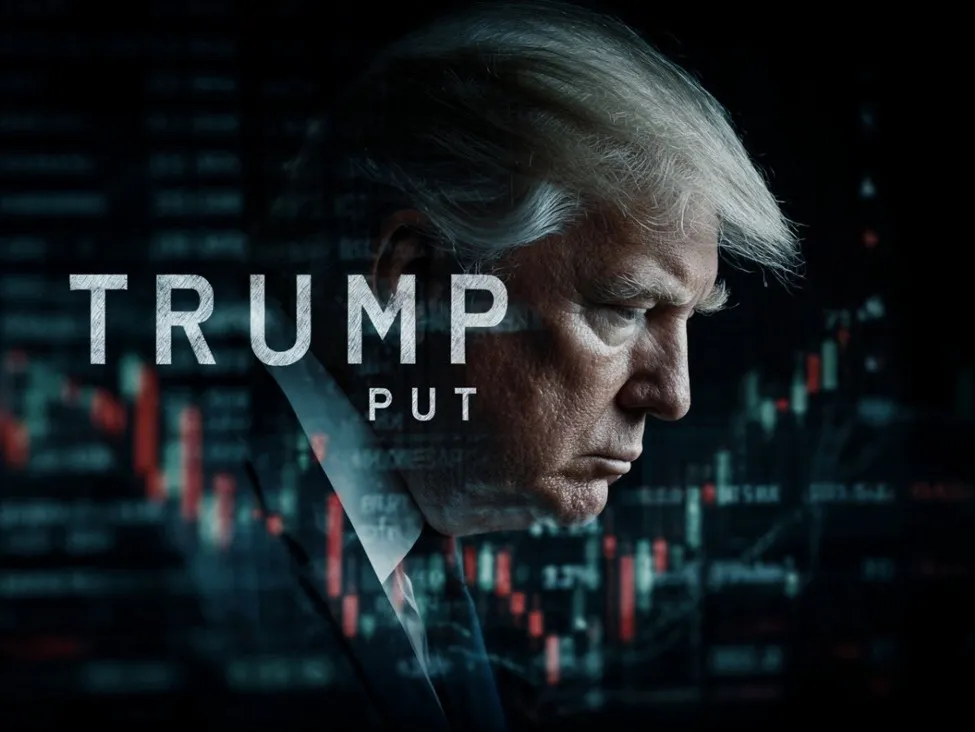

Headline: White House Signals Market Support as Nvidia–China Sales Debate Resurfaces
Key Takeaways
Introduction: Wall Street appears to remain a key scorecard for the administration, with policy signals and strategic messaging often aligned to calm market volatility. As midterm elections approach, investors are watching for moves—real or floated—that might stabilize the Dow Jones Industrial Average and broader risk sentiment.
The administration has repeatedly shown sensitivity to stock market declines, reinforcing the perception that equity levels are a public barometer of economic progress. Early post-inauguration rhetoric about prioritizing “Main Street” gave way to a gradual softening of tariff stances, with hints and partial walkbacks filtering into markets. This pattern is not new: since the 2020 pandemic era, the White House has visibly highlighted market rebounds and intraday reversals, supporting the view that bullish momentum is a policy objective when feasible.
More recently, the White House is reportedly weighing whether to ease restrictions on Nvidia’s chip sales to China—reviving a topic that surfaces when markets wobble. Whether a genuine policy rethink or a trial balloon to stem selloffs, such signals can buoy sentiment but risk diminishing returns if overused. Ultimately, no administration can fully control market outcomes; external shocks and cycle dynamics still dominate. Yet with potential tools like tariff waivers and influence over Federal Reserve appointments, the policy mix remains a powerful—if imperfect—lever for equity markets and the technology sector.
Key Points: – The administration continues to view the stock market, especially the Dow Jones Industrial Average, as a prominent performance gauge. – Initial “Main Street” messaging has been followed by selective tariff walkbacks that support risk assets. – Reports indicate the White House may consider allowing Nvidia to sell certain chips to China, a move with market and semiconductor implications. – Strategic policy leaks and trial balloons can lift sentiment but may lose effectiveness if used too frequently. – Despite policy tools such as tariff waivers and potential Fed influence, external shocks can override efforts to stabilize markets.
Context
Current positioning around Regulation & Policy remains sensitive to primary-source updates, policy interpretation, and execution risk across major venues.
What To Watch
Key confirmation signals now include court filings, regulator statements, and any updated compliance guidance from the involved parties.
Market participants will monitor whether legal outcomes change exchange operations, token access, or disclosure standards in major jurisdictions.
Related: More from Regulation & Policy | Anthropic Founder Critiques Pentagons Choice as Unprecedented in Crypto Regulation | UK Gambling Regulator Examines Cryptocurrencies for Licensed Bettors in Crypto Regulation