

Title: Gas Sponsorship: The Missing Piece to Unlock Frictionless Crypto Adoption
Key Takeaways
In the world of cryptocurrency, achieving widespread adoption is akin to reaching the Holy Grail. While strides have been made in terms of technology and regulatory frameworks, there remains a glaring hurdle that often keeps potential users at bay: the complexity and cost of gas fees. Gas fees are the transaction fees that users pay to miners on a blockchain protocol to have their transactions included in the block. These fees can vary wildly, often becoming prohibitively expensive during peak congestion on the network. In this context, gas sponsorship emerges as a promising solution to foster broader crypto adoption by making blockchain interactions seamless and user-friendly.
Understanding Gas Fees and Their Impact on User Experience
Gas fees are an essential aspect of blockchain ecosystems like Ethereum. They function not only as a way to compensate miners but also as a mechanism to prevent spam transactions and allocate network resources efficiently. However, these fees represent a significant barrier for new users. The volatile and at times exorbitant cost, coupled with the need for an understanding of how these fees work, complicates the onboarding process.
The necessity for users to hold and manage a balance of native network tokens for transaction fees can deter non-technical users from adopting blockchain technology. This layer of complexity adds friction to a process that should ideally be as straightforward as possible to appeal to a broad user base.
The Case for Gas Sponsorship
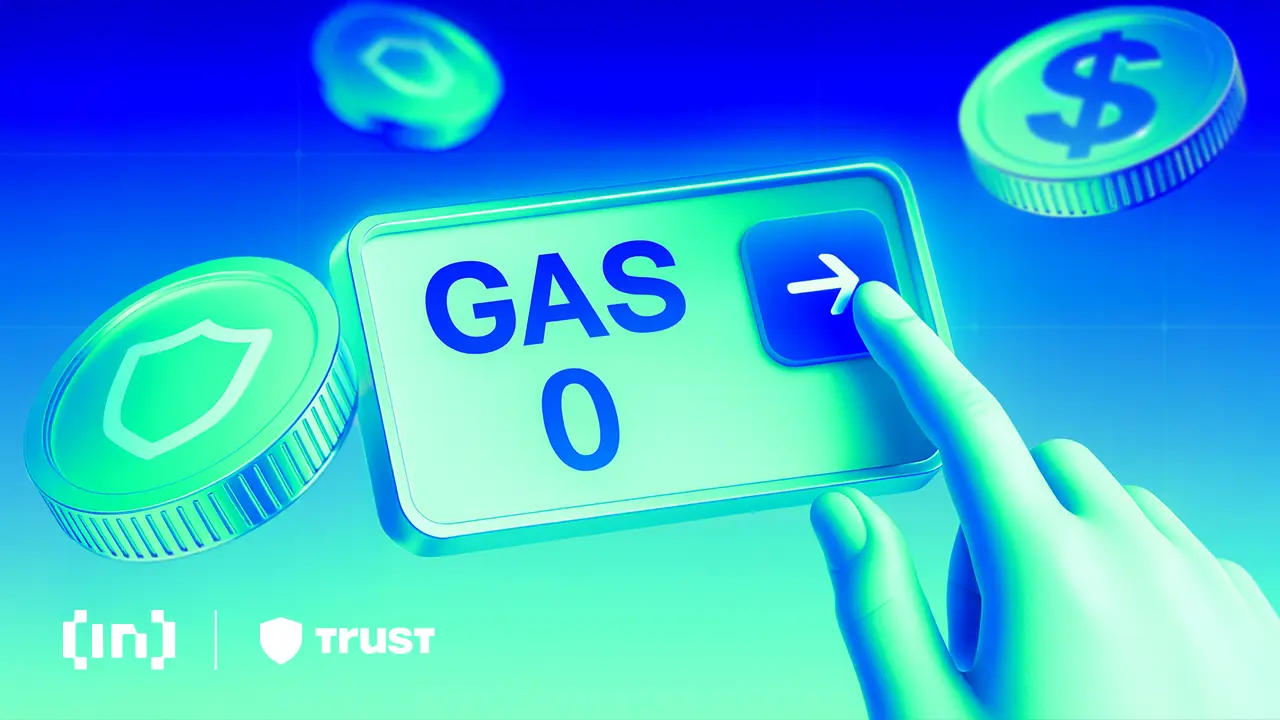
Gas sponsorship refers to the practice where a third party takes on the responsibility of paying the gas fee on behalf of the user. This concept is not entirely new; traditional business models often absorb operational costs to provide a smoother, more inviting customer experience. Applying this to the crypto space, developers, and businesses can cover the cost of gas to provide a “freemium” experience, where the end-users are not bogged down by technical requirements and cost concerns.
Implementation in Decentralized Applications (DApps)
Incorporating gas sponsorship in DApps can drastically reduce the barriers to entry for new users. It allows people to interact with DApps without needing to purchase and hold cryptocurrency beforehand, which can be a significant deterrent for those unfamiliar with the crypto ecosystem.
For instance, a decentralized social media platform can opt to pay for the gas fees of its first-time users, allowing them to post, like, and comment without having to deal with the intricacies of gas fees. This would not only simplify the user experience but also enhance the platform’s attractiveness to a more extensive user base.
Challenges and Considerations
While gas sponsorship can drive adoption, it is not without challenges. The cost of sponsoring gas fees could be substantial, particularly on networks like Ethereum, where gas costs can skyrocket during high traffic. Projects opting for this route need to incorporate these costs into their financial models, potentially looking into alternative revenue streams to offset the expenses.
Moreover, care must be taken to prevent abuse of such systems. Mechanisms must be put in place to ensure that the sponsorship of gas fees is not exploited by malicious actors who could spam the network, given the lowered barrier to entry.
Conclusion
As the crypto industry continues to evolve, finding ways to make technology not only accessible but also easy to use is crucial. Gas sponsorship represents a compelling tool in this quest, potentially acting as a catalyst for mainstream adoption. By absorbing the complexities and costs associated with blockchain transactions, businesses can offer a more inviting entry point for newcomers, paving the way for a future where interacting with crypto is as common as sending an email. Rallying the industry to consider and adopt gas sponsorship could indeed be the missing piece needed to unlock frictionless crypto adoption.
Context
Current positioning around Ethereum News remains sensitive to primary-source updates, policy interpretation, and execution risk across major venues.
What To Watch
Key confirmation signals include sustained spot demand, funding stability, and whether price can hold reclaimed levels after headline-driven volatility.
If momentum weakens, traders will likely prioritize downside liquidity zones and risk-control positioning before adding new directional exposure.
Related: More from Ethereum News | Vitalik Reveals Ethereum Smart Accounts for Hegao Fork | Vitalik Buterin Announces Ethereum Quantum Resistance Plan