

Why Veteran Web3 Users Are the Scammers’ Favorite Targets?
In the fast-evolving world of Web3, which encompasses blockchain, cryptocurrency, and decentralized applications, both newcomers and seasoned veterans are navigating complex and often risky waters. Surprisingly, it is not just the novices who are the prime targets for scammers; experienced Web3 users frequently find themselves in the crosshairs of sophisticated fraud schemes. This phenomenon is counterintuitive at first glance, so let’s delve into why veteran Web3 users might be the favorite targets of scammers.
Key Takeaways
1. Complacency from Experience
One of the primary reasons veteran Web3 users are vulnerable is complacency. Having been around the block(chain), these users often feel confident in their ability to recognize scams. This overconfidence can lead to lowering their guard when it comes to basic security practices like double-checking wallet addresses, verifying smart contract details, or re-securing private keys. Familiarity breeds a false sense of security, wherein veterans might underestimate the ingenuity of new scams, believing their experience alone will protect them.
2. Larger Holdings, Bigger Payoffs
Veterans are likely to have more substantial crypto holdings than beginners, making them more attractive targets for high-stakes scams. Over time, as users get more comfortable and successful within the Web3 space, their wallets and investments grow. This increase in asset value not only paints a target on their backs but also means the potential payoff for scamming them can be significantly higher, encouraging more elaborate and tailored scam operations.
3. Experimental Enthusiasm
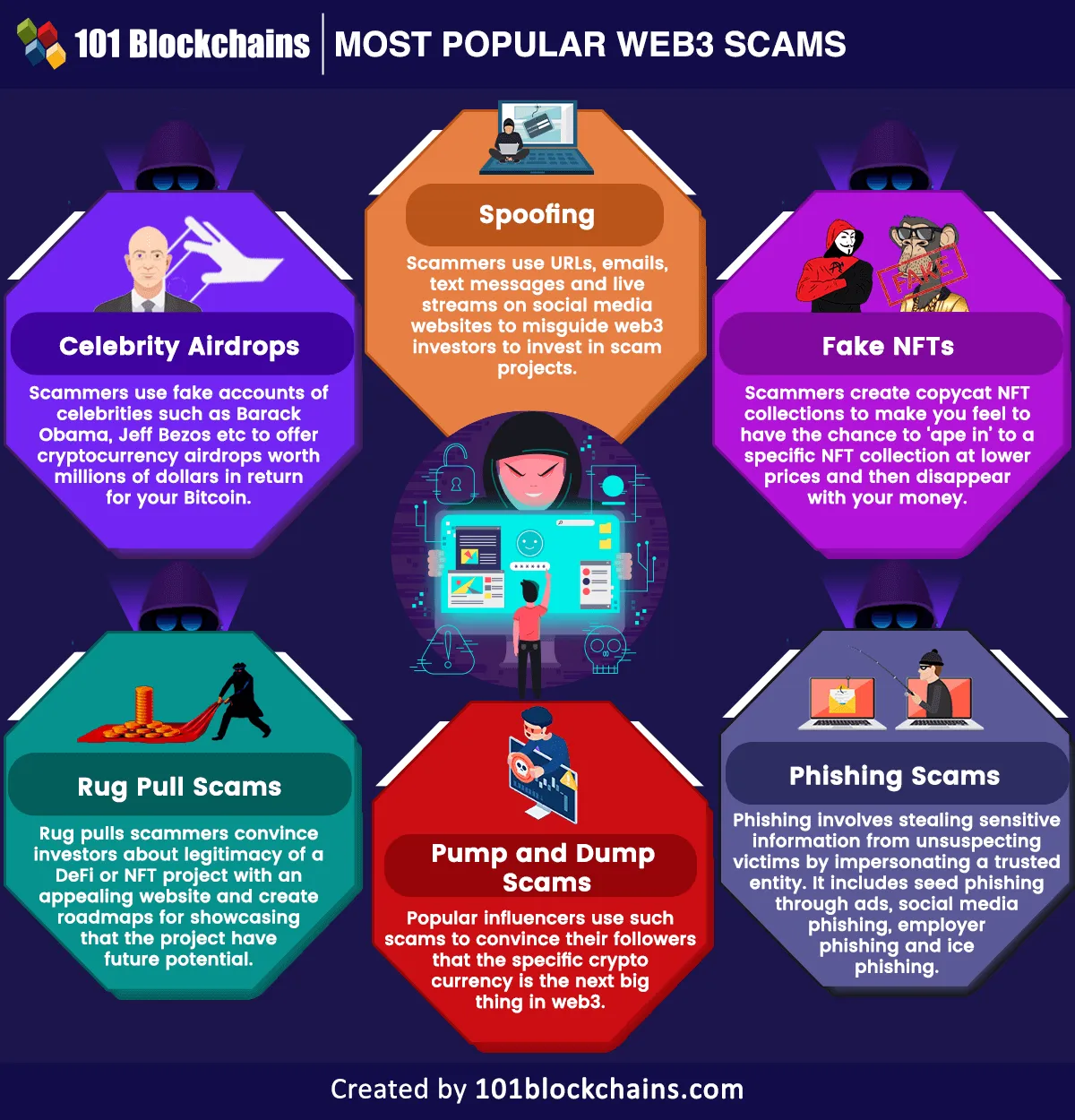
Veteran users are often more willing to explore new projects and engage with emerging technologies within the space. Their enthusiasm for innovation and eagerness to participate in the next big thing can sometimes lead to overlooking red flags in new projects or platforms. Scammers exploit this curiosity and willingness to take risks by creating fake ICOs (Initial Coin Offerings), NFTs (Non-Fungible Tokens), or investment opportunities that mimic legitimate up-and-coming projects.
4. High Transaction Frequency
More experienced users tend to conduct transactions more frequently, whether trading cryptocurrencies, buying NFTs, or interacting with decentralized applications (DApps). This increased transactional activity elevates the risk of interacting with malicious entities or falling prey to man-in-the-middle attacks where scammers intercept or alter communications or transaction details for their benefit.
5. Network Influence and Social Engineering
Veterans often possess significant influence within the community, owning reputable social media profiles or being active in forums and discussion groups. Scammers see this as an opportunity to use social engineering tactics, where manipulating a single veteran user can lead to cascading trust-based scams among their followers or contacts. By compromising one trusted individual’s account, scammers can propagate scams more effectively.
6. Advanced Scams Tailored to Evade Savvy Users
Finally, scammers continuously refine their strategies and tools, developing sophisticated phishing kits, malware, or deceptive smart contracts specifically designed to bypass the advanced security measures and skeptical eyes of veteran users. These scams often use cutting-edge technology and highly convincing social proof to create illusions that many seasoned users might miss.
Concluding Thoughts
As the digital terrain of Web3 continues to expand, both new users and veterans must remain vigilant and informed to protect themselves against the evolving threat of scams. While experience can significantly enhance one’s ability to navigate this space safely, it can also lead to vulnerabilities if not paired with continuous education and a cautious approach to security. In an environment where everyone can be a target, the mix of experience, continuous learning, and vigilance forms the best line of defense.
Related: More from Security & Hacks | Federal Authorities Seize $61M Tether Linked to Crypto Scams in Crypto Security | DOJ Seizes $580M Crypto from Chinese Actors