
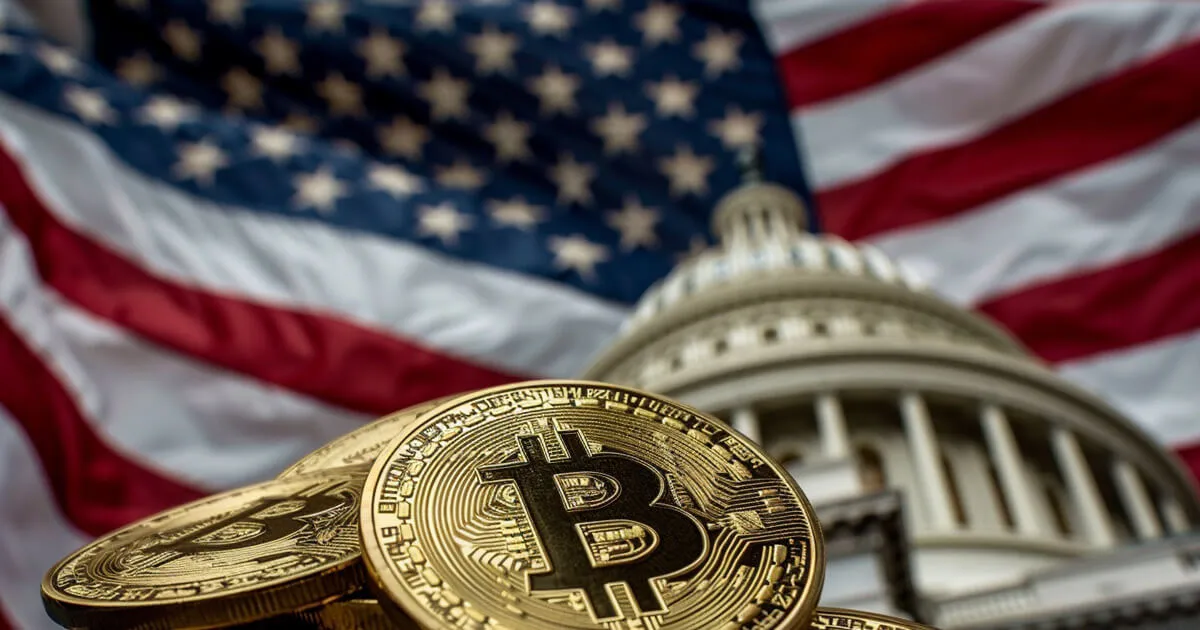

Proposed Bitcoin for America Bill Could Enable BTC Tax Payments, Funding National Reserve
In a groundbreaking move, U.S. legislators have introduced the “Bitcoin for America Bill,” a visionary proposal that could dramatically transform the fiscal landscape of the country. This proposed legislation aims to allow Bitcoin to be used for paying taxes, with the added innovative feature of directing these funds into a national Bitcoin reserve.
Key Takeaways
Background and Implications of the Bill
The proposal comes at a time when Bitcoin and other cryptocurrencies are increasingly being integrated into mainstream financial systems, signaling a shift in both public acceptance and regulatory perspectives. As digital currencies gain traction, governments worldwide are exploring ways to incorporate these assets into their economic frameworks. The “Bitcoin for America Bill” could position the United States as a leader in embracing cryptocurrency for government-related financial transactions.
Key Features of the Bill
One of the standout features of the proposed bill is the ability for Americans to pay their federal taxes using Bitcoin. This could simplify the payment process for crypto investors, who currently need to convert their holdings into U.S. dollars before settling tax obligations. Moreover, it could potentially increase the speed and reduce the costs associated with tax payments.
Perhaps more significantly, the bill outlines the creation of a Bitcoin reserve where all BTC received from tax payments will be deposited. This would not only safeguard the cryptocurrency, potentially appreciating in value over time, but also ensure that the reserve acts as a national asset benefiting the country’s economic security.
Financial and Economic Ramifications
The economic implications of the bill are profound. By stocking a national reserve with Bitcoin, the U.S. could hedge against economic uncertainty and benefit from the potential appreciation in Bitcoin’s value. Moreover, integrating Bitcoin into tax processes enhances its legitimacy and utility, which could lead to increased adoption and stability in the cryptocurrency market.
However, skeptics of the bill point to the volatile nature of Bitcoin. The fluctuating value of the cryptocurrency could pose budgeting challenges for the government, potentially leading to fiscal instability if not managed properly. Hence, careful implementation and robust management of the reserve would be critical.
Legislative and Public Reception
The reception to the bill has been mixed, with cryptocurrency enthusiasts lauding it as a progressive step towards the future of finance, while critics express concerns over volatility and security risks associated with digital currencies. Legislative processes are expected to thoroughly debate these aspects, considering both the technological and financial impacts.
Public opinion also varies, with a section of the population excited about the potential for ease and innovation, while others remain wary about the security and practicality of paying taxes in Bitcoin.
Future Prospects
Should the “Bitcoin for America Bill” pass, it could set a precedent for other nations to follow, potentially leading to a global trend of using cryptocurrencies for governmental transactions. This could further solidify cryptocurrencies’ standing in global economics, paving the way for more integrated digital financial infrastructures.
Moreover, the establishment of a national Bitcoin reserve could eventually lead to the U.S. leveraging its holdings to exert economic influence or stabilize national currency in times of economic distress.
Conclusion
The “Bitcoin for America Bill” represents a bold stride towards the integration of cryptocurrencies into governmental functions. While it promises numerous benefits such as increased efficiency and potential economic gains through a national reserve, it also brings challenges and risks that need thorough scrutiny. As the world watches, the outcome of this proposal could significantly influence the global financial landscape and the role of digital currencies within it.
Related: More from Bitcoin News | Institutional BTC Interest Rises Despite Price Drop in Bitcoin | Elon Musks SpaceX Bitcoin Holdings Drop Below $550 Million Ahead of IPO