
Has Bitcoin Stepped Into a Bear Market? Analysts Split
As the bitcoin landscape continues to evolve, the buzz among traders, investors, and financial analysts grows louder: has Bitcoin officially entered a bear market? This question has seen a split response from experts and analysts across the board.
Key Takeaways
The crypto giant, known for its dramatic price swings, has recently shown signs that worry some investors. After reaching an all-time high earlier in the year, Bitcoin has seen a significant drop, sparking debate among those in the crypto community and beyond.
Analyzing the Market Trends
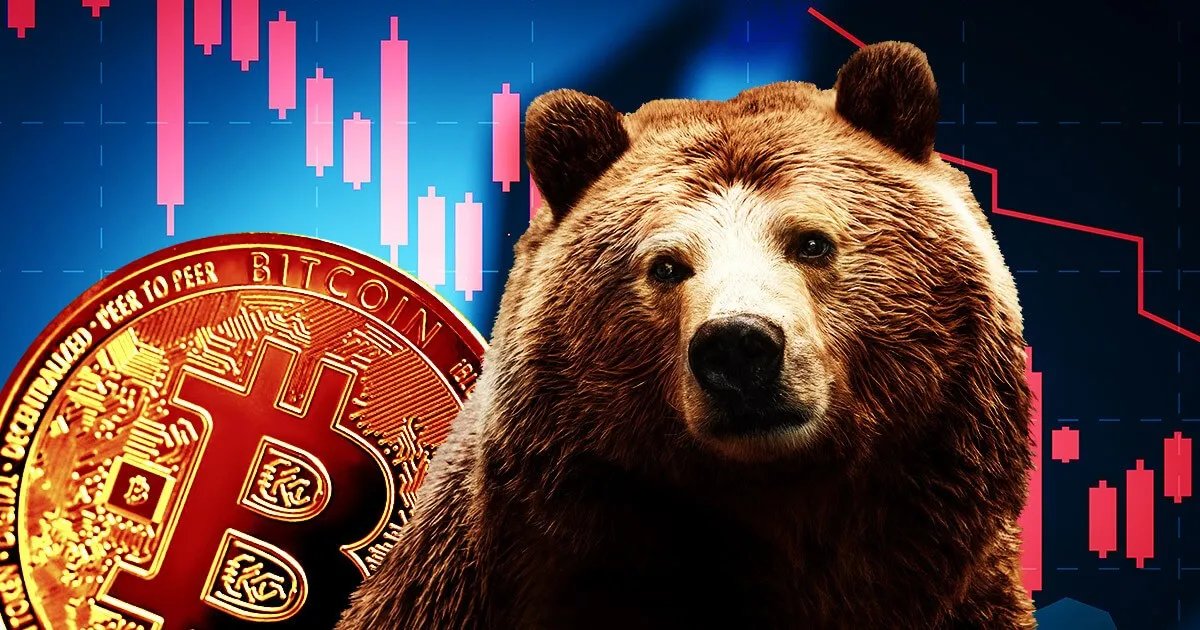
Bitcoin’s price volatility is no stranger to the seasoned investor, but the recent downturn has been notable. The typical signs of a bear market include a sustained 20% drop in price from recent highs, which Bitcoin has surpassed in recent weeks. The reasons behind this downturn are varied, with some pointing to regulatory crackdowns in major markets such as China and the U.S., while others cite a natural adjustment after such surges in market enthusiasm.
Market analysts such as James Putra from Trade Digital Assets remarked, “This is a classic sign of a bear run, and we’re seeing a consolidation stage that is often followed by further dips.” Others, however, suggest the pullback is a normal breath after Bitcoin’s vigorous sprint.
Regulatory Concerns
A significant aspect contributing to the uncertainty around Bitcoin’s status is the global regulatory environment. Governments are scrutinizing cryptocurrencies more strictly. For example, China has banned all crypto transactions and mining, causing a ripple effect through global markets. In the United States, the unclear regulations leave investors guessing how freely cryptocurrencies can operate.
Regulatory crackdowns impact market confidence, often leading to rapid declines in prices. As jurisdictions solidify their stances and implement laws, Bitcoin might continue to experience volatility in response.
Institutional Interest
Despite the bear market concern, institutional interest in Bitcoin remains robust. Entities like Tesla and Square making substantial investments in Bitcoin signal that large-scale corporate players see long-term potential in cryptocurrencies. This continued institutional support contrasts with the public’s unease and plays a significant role in its valuation.
“While retail sentiment might be down, institutional interest is still a bullish signal for Bitcoin’s future,” notes financial strategist Rachel Lee. Indeed, the deeper market absorptive capacity due to institutional investors can provide a cushion against drastic price movements.
The Technology Edge
Technological advancements in the blockchain sector also fuel confidence in Bitcoin’s long-term viability. With newer applications and innovations such as the Lightning Network, which promises faster and cheaper transactions, Bitcoin’s utility might expand, increasing its adoption rate and potentially boosting its market value.
Furthermore, the upcoming Taproot upgrade could enhance Bitcoin’s privacy, efficiency, and scalability, making it more appealing to both developers and investors alike.
Future Outlook
While the immediate future might seem daunting, the long-term outlook for Bitcoin remains optimistic among several experts. As it stands, the market is divided, with some predicting further declines and others believing this slump is merely a setup for an inevitable rebound.
In conclusion, whether Bitcoin has entered a bear market is a multifaceted question influenced by regulatory, technological, and market dynamics. As with any investment, potential risks and rewards should be carefully weighed, but one thing remains certain: Bitcoin continues to generate passionate discourse and keen interest from varied sectors. As we move forward, it will be crucial to watch how these factors play out to gauge Bitcoin’s trajectory accurately.
Related: More from Bitcoin News | Institutional BTC Interest Rises Despite Price Drop in Bitcoin | Elon Musks SpaceX Bitcoin Holdings Drop Below $550 Million Ahead of IPO