

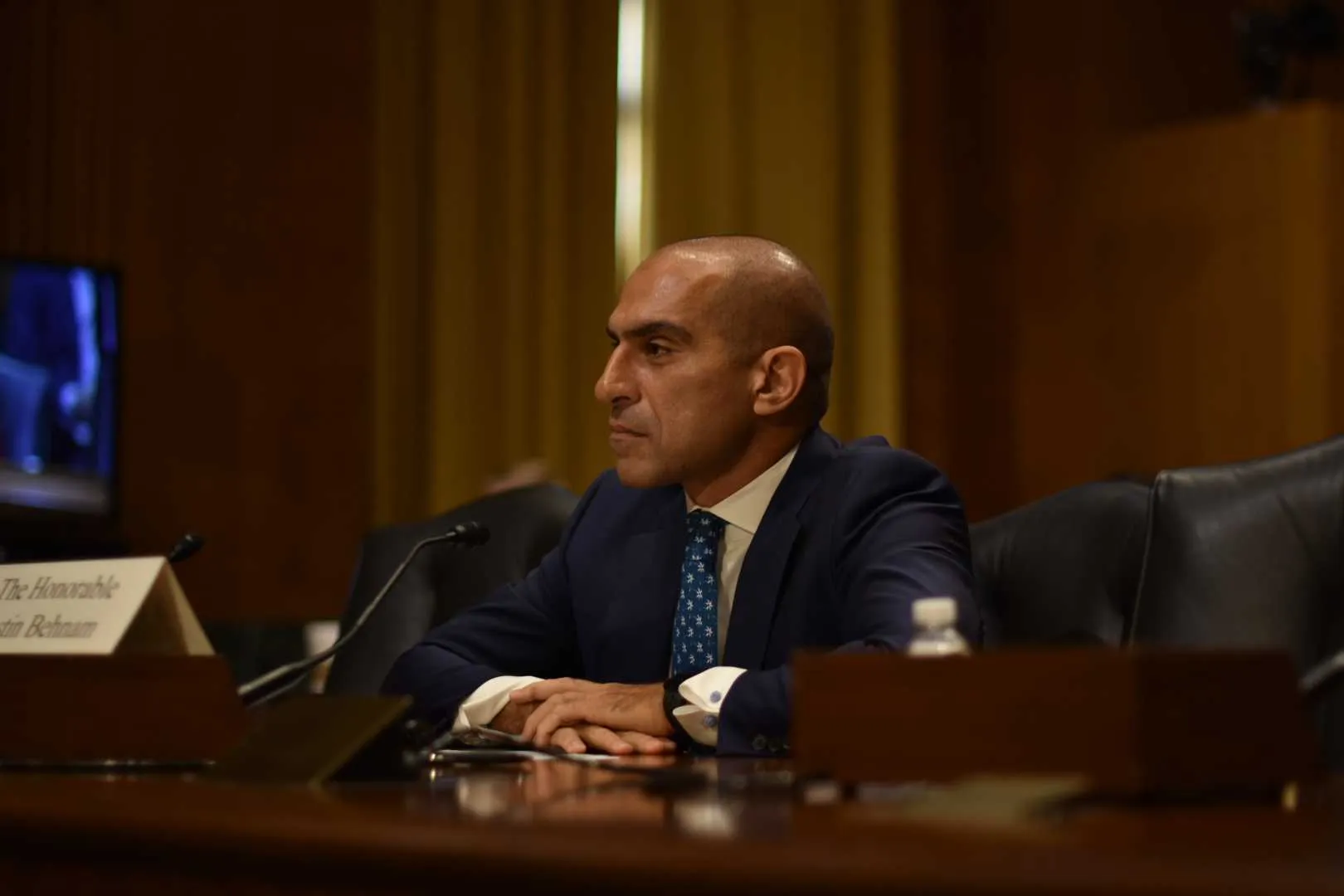

In a surprising twist during the confirmation hearing, the latest nominee for Chair of the Commodity Futures Trading Commission (CFTC), has stirred the pot by refusing to commit to expanding the agency’s resources or ensuring more seats for Democratic commissioners. This stance sheds light on potential forthcoming regulatory challenges and strategic realignments within the agency that oversees the $400 trillion derivatives markets, which include commodities, futures, and swaps.
Key Takeaways
Background Context
The CFTC traditionally plays a pivotal role in regulating market derivatives, which are critical to stabilizing prices for essential goods and managing financial risk. As cryptocurrencies have gained prominence, overlapping the traditional spheres of finance, their classification and subsequent regulation have been intensively debated. Cryptocurrencies either fall under the jurisdiction of the Securities and Exchange Commission (SEC) or the CFTC, depending on their classification as securities or commodities.
Nominee’s Standpoint and Implications
During the hearing, the nominee, whose background resonates deeply with the pro-crypto community, articulated a vision consistent with a “light touch” approach to cryptocurrency regulation. Although this aligns with many in the crypto industry advocating for more freedom and less stringent controls, it raises concerns among those pushing for more robust regulatory frameworks to protect consumers and ensure market integrity.
Notably, the refusal to commit to increased resources for the CFTC comes at a time when the agency is already viewed by some as being under-resourced and stretched thin. This stance could potentially limit the CFTC’s ability to effectively oversee burgeoning market sectors, such as cryptocurrencies, which are rapidly evolving and contain unique risk factors.
Furthermore, by declining to ensure a balanced representation of Democratic commissioners, the nominee signals a possible shift towards a more conservative, deregulation-focused commission. This could fundamentally alter the dynamics within the agency, impacting not only crypto regulation but all areas of its mandate.
Industry Reactions
Reactions from the financial and crypto markets have been mixed. Proponents of deregulation argue that this approach would foster innovation and attract more players to the market. On the other hand, critics caution that insufficient regulation could lead to unstable markets and increased financial risks, similar to those observed during the 2008 financial crisis.
Consumer protection advocates are particularly concerned. They highlight the importance of robust regulatory frameworks that can adapt to new financial instruments and the increasing complexity of financial markets. They fear that the nominee’s stance could sideline crucial consumer protection measures in favor of market freedoms that benefit a few at the expense of many.
Conclusion
As the confirmation process proceeds, the nominee’s perspectives and proposed policies will doubtlessly be scrutinized not just by the Senate but by all stakeholders in the financial markets. The direction in which this nominee wants to steer the CFTC could shape not only the future of cryptocurrency regulation but the broader financial landscape over the coming years.
This ongoing situation presents a pivotal moment for determining how digital assets integrate into the mainstream financial fabric. The balance between fostering innovation and protecting consumers will remain a central theme as the nominee’s confirmation process unfolds.
Related: More from Regulation & Policy | Anthropic Founder Critiques Pentagons Choice as Unprecedented in Crypto Regulation | UK Gambling Regulator Examines Cryptocurrencies for Licensed Bettors in Crypto Regulation