



Headline: Washington Rethinks Timing of Semiconductor Tariffs as Market Risks Loom
Key Takeaways
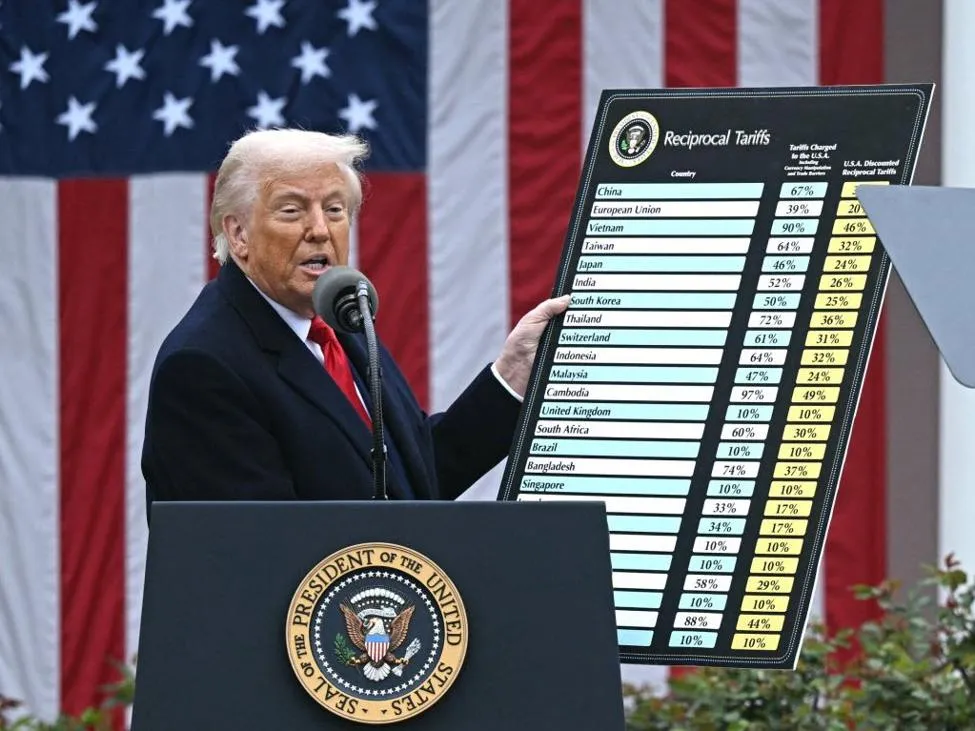
The Trump administration is quietly recalibrating the timing of its long-anticipated semiconductor tariffs, signaling a more cautious approach as it weighs geopolitical risks, supply chain stability, and potential impacts on consumer prices. While sweeping duties on foreign-made chips remain on the table, officials have recently adopted a softer tone in private conversations with lawmakers, industry groups, and major companies.
Behind the scenes, the White House is balancing national security objectives and its reshoring agenda against the risk of reigniting trade tensions with Beijing. Concerns include exposure to rare earth materials vital to chip manufacturing and the ripple effects on the semiconductor supply chain. Publicly, officials insist policy has not changed and offer no clarity on timing, keeping markets alert to possible tariffs that could approach or exceed 100%, with exemptions for firms producing or committing production in the United States.
The timing debate is politically sensitive, coming amid voter frustration with living costs ahead of the holiday season. Higher chip tariffs could lift prices on consumer electronics, especially given previous discussions about taxing devices based on the number of semiconductors they contain. The recalibration follows a recent meeting between President Trump and President Xi in Busan, where both sides agreed to pause escalations even as Washington signaled that national-security-driven measures may still arrive. Earlier national security investigations into pharmaceutical and semiconductor imports laid the groundwork for potential tariffs, but internal deliberations over scope and timing have slowed rollout. For now, a delay reduces near-term trade-war risk and offers some relief for manufacturers and retailers, though uncertainty over the final tariff design persists.
Key Points: – U.S. officials are reassessing the timing of potential semiconductor tariffs, signaling caution in private. – The administration is weighing geopolitical risks, rare earth dependencies, and supply chain stability. – Public statements deny any policy change, but no timeline has been provided. – Tariffs near 100% remain possible, with potential exemptions for companies with U.S. production. – Higher chip duties could raise consumer electronics prices; taxing devices by chip count was previously explored. – A temporary trade truce with China and ongoing internal debate have slowed the tariff rollout, easing near-term market risk.
Context
Current positioning around Regulation & Policy remains sensitive to primary-source updates, policy interpretation, and execution risk across major venues.
What To Watch
Key confirmation signals now include court filings, regulator statements, and any updated compliance guidance from the involved parties.
Market participants will monitor whether legal outcomes change exchange operations, token access, or disclosure standards in major jurisdictions.
Related: More from Regulation & Policy | Anthropic Founder Critiques Pentagons Choice as Unprecedented in Crypto Regulation | UK Gambling Regulator Examines Cryptocurrencies for Licensed Bettors in Crypto Regulation