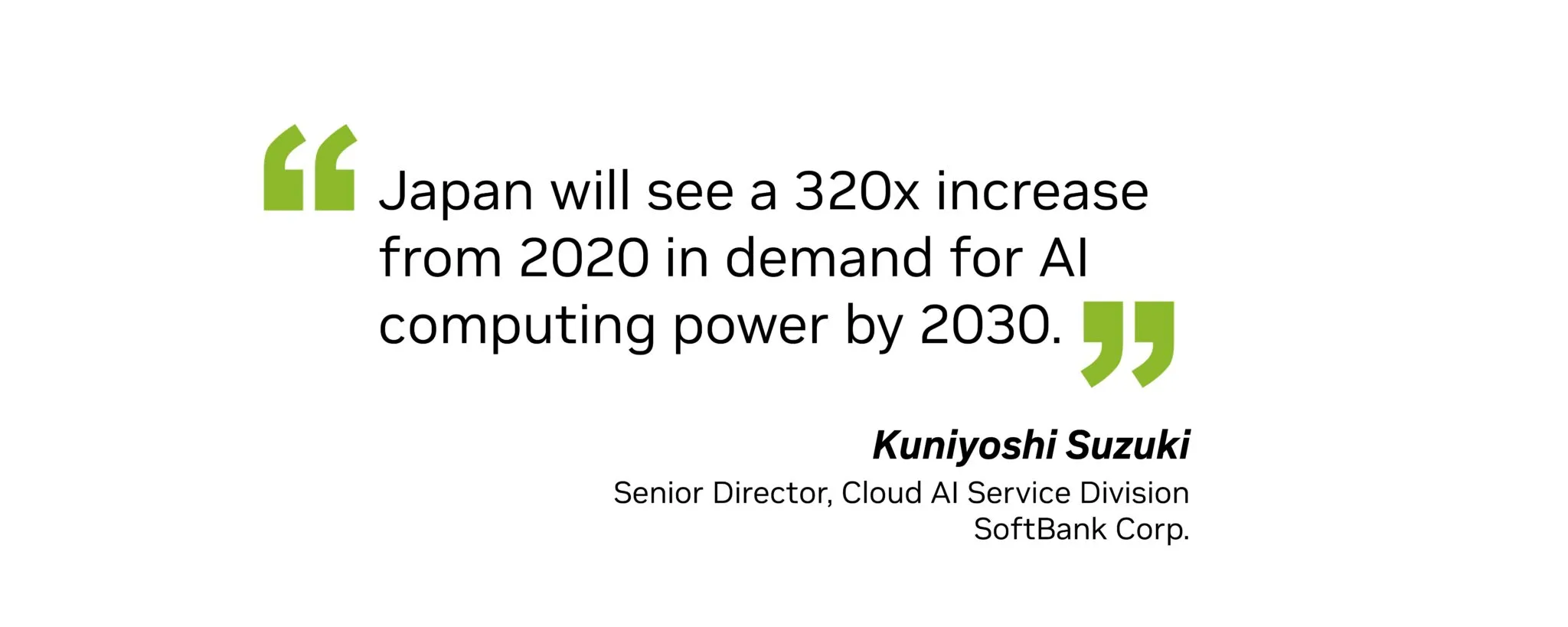

At the recent NVIDIA AI Day held in Tokyo, SoftBank’s Kuniyoshi Suzuki made a bold prediction regarding Japan’s future in artificial intelligence. He forecasted a staggering 320-fold increase in AI computing demand by the year 2030. This projection highlights not only the rapid growth of AI technologies but also the pressing need for Japan to bolster its domestic technological infrastructure to meet this surging demand.
As AI continues to integrate into various sectors, from healthcare to finance, the implications of such a dramatic increase in demand are profound. Japan, known for its technological advancements, must ensure it has the necessary resources and infrastructure to support this growth. The call for enhanced domestic capabilities is particularly crucial as global competition in AI intensifies. Countries around the world are investing heavily in AI research and development, and Japan must not fall behind.
Suzuki’s remarks serve as a wake-up call for policymakers and industry leaders alike. To harness the potential of AI effectively, Japan will need to prioritize investments in technology, workforce training, and research initiatives. The goal is not just to keep pace with global advancements but to position Japan as a leader in the AI revolution.
In conclusion, the projected surge in AI demand presents both challenges and opportunities for Japan. By addressing its technological infrastructure needs, the country can capitalize on the benefits of AI, driving innovation and economic growth in the coming years.
Related: More from Market Analysis | European Central Bank Interest Rates: What to Expect Next? | Tradeweb Markets Financial Performance: A Surprising Growth Story