


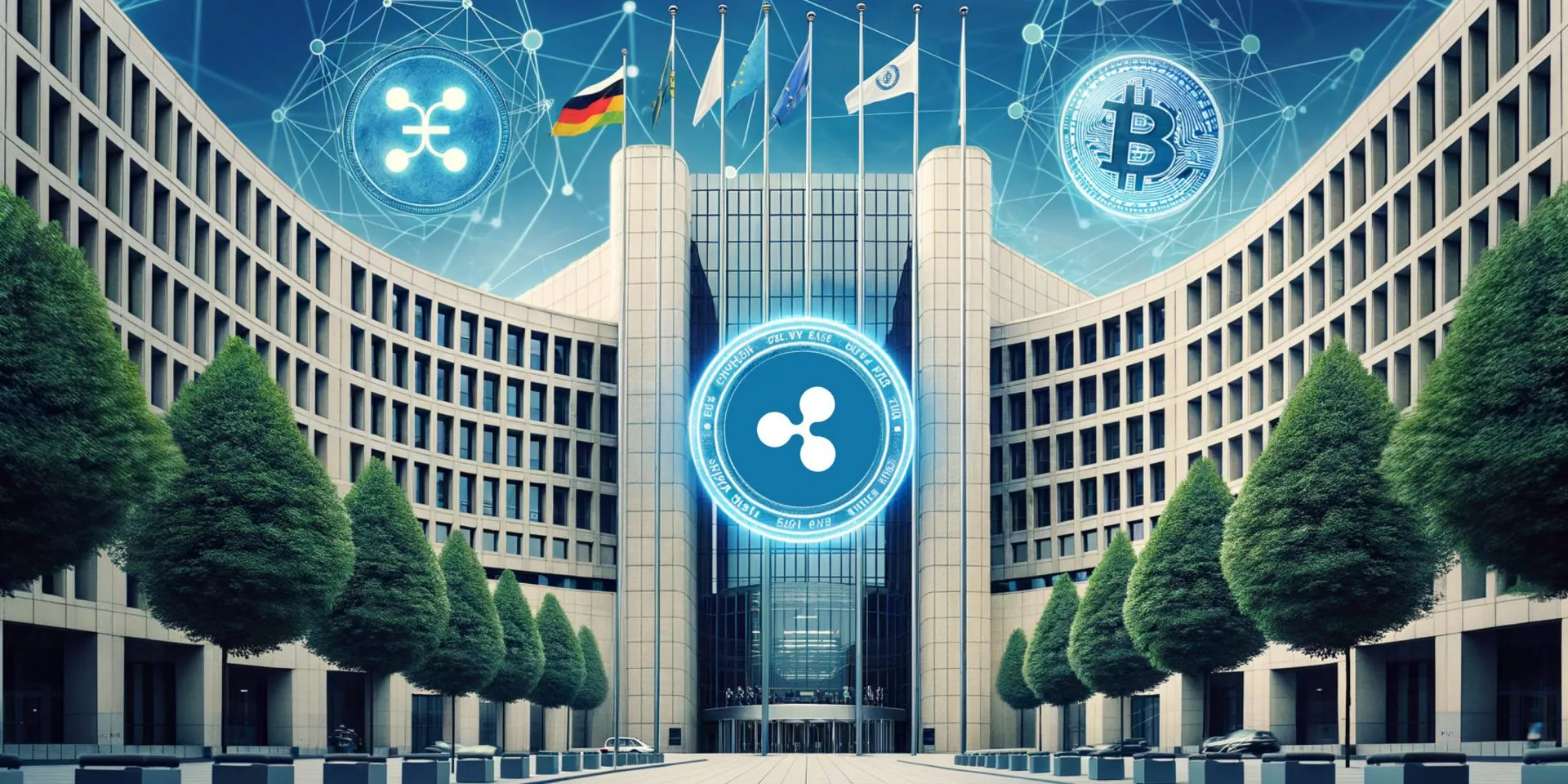

XRP and Solana ETFs Thrive as Over $4 Billion in Bitcoin and Ethereum Exits the Market
Key Takeaways
The landscape of cryptocurrency investments is witnessing a significant shift as XRP and Solana Exchange-Traded Funds (ETFs) gain momentum amid a substantial capital migration from the traditional stalwarts, Bitcoin and Ethereum. Recent financial trends show that more than $4 billion has been pulled from Bitcoin and Ethereum, marking a pivotal transition point in investor preference and strategy. This shift underscores a broader diversification within the cryptocurrency sector, potentially heralding a new era of investment patterns and asset allocations.
Understanding the Shift
To comprehend this substantial pivot in crypto investments, one must look at the broader economic environment and specific developments within the cryptocurrency sphere. Primarily, both Bitcoin and Ethereum have faced challenges in terms of scalability, transaction fees, and processing times. This has prompted investors to look for alternatives that potentially offer greater efficiency and lower costs.
Moreover, the ongoing advancements in blockchain technologies and the increasing adoption of digital assets in both retail and institutional spaces have been pivotal. As newer cryptocurrencies like XRP and Solana address some of these challenges more effectively, they start to appear more attractive to investors seeking growth and innovation.
The Rise of XRP and Solana ETFs
XRP, backed by Ripple, has long been lauded for its rapid processing times and low transaction costs, which are crucial for scaling the use of crypto in real-world financial transactions and international money transfers. Furthermore, Ripple’s active engagement with global banks and financial institutions has strengthened the case for XRP’s utility and adoption.
On the other hand, Solana, known for its incredibly high throughput and low fees, has carved out a niche in the decentralized finance (DeFi) and non-fungible tokens (NFTs) markets, pushing its ecosystem to vibrant new heights. Its underlying technology, which leverages a unique proof-of-history (PoH) mechanism alongside the usual proof-of-stake (PoS) consensus, offers a compelling alternative to Ethereum’s current proof-of-work (PoW) model, which is often criticized for its high energy consumption and slower transaction times.
Increasing Investor Confidence
The growing investor interest in XRP and Solana ETFs isn’t merely a trend but a reflection of increased confidence in these platforms’ long-term viability and their potential to lead in a blockchain-centric future. ETFs, in particular, provide a regulated and arguably safer vehicle for investing in cryptocurrencies, which appeals to institutional investors and those unfamiliar with the digital assets space.
The establishment of these ETFs allows individuals and entities to gain exposure to XRP and Solana without the complexity of managing individual tokens or dealing with wallets and exchanges directly. This ease of access, combined with the potential for diversification and risk management, can significantly affect the influx of capital into these digital assets.
Market Reactions and Future Implications
The noticeable exodus of over $4 billion from Bitcoin and Ethereum could signify a more pronounced volatility and a reshuffling of investor focus in the coming months. While Bitcoin and Ethereum are not likely to lose their prominence overnight, the rise of alternatives like XRP and Solana could dilute their market dominance.
For market watchers and participants, the key will be watching how these shifts affect the broader market dynamics, including liquidity, token prices, and regulatory responses. As ETFs continue to bridge the gap between traditional finance and the burgeoning crypto sphere, their role in shaping the future trajectories of digital assets remains crucial.
Conclusion
As we advance further into a digitized financial future, the rise of XRP and Solana ETFs amid the shifting sands of Bitcoin and Ethereum’s dominance offers a compelling narrative of growth, adaptation, and the continuous evolution of the cryptocurrency market. Whether this is merely a seasonal cycle or a long-term trend will depend on multiple factors, including regulatory environments, technological breakthroughs, and macroeconomic conditions. However, one thing is clear: the digital asset investment landscape is maturing, and with it, the opportunities and challenges are proliferating.
Related: More from Bitcoin News | M2 Money Supply Rises Again: Is BTC Bullish Gone? in Bitcoin | Bitcoin Futures Retreat Amid Iran Conflict Escalation