

Headline: Euro Hits New Peak Against Yen as Structural Forces Undermine JPY
Key Takeaways
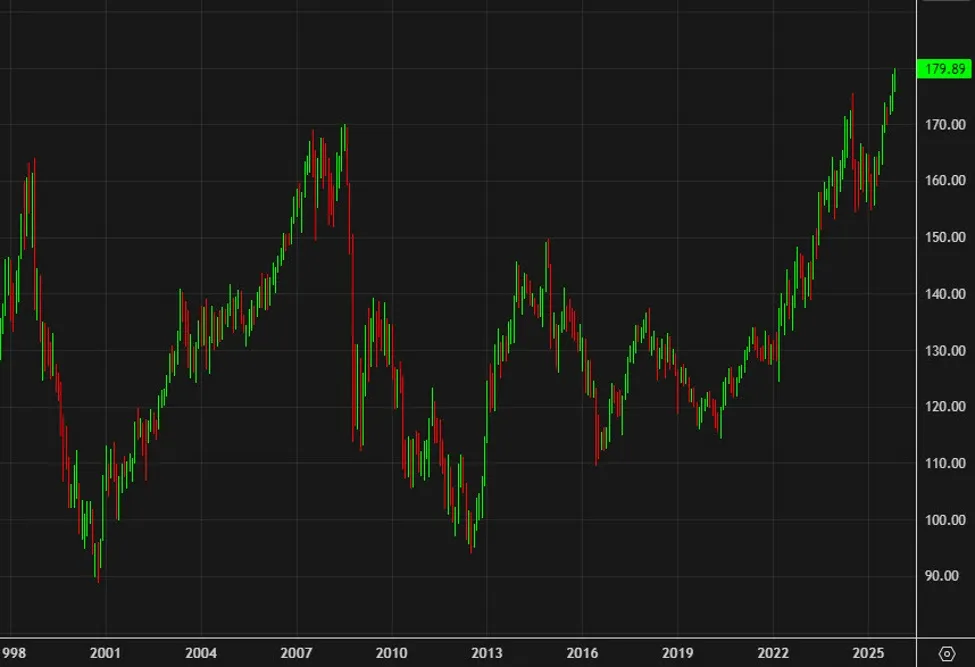
Introduction: The euro has surged to a record high against the Japanese yen, touching around 180.01 on the EUR/JPY cross. The move highlights deepening pressure on the yen as markets reassess Japan’s policy stance, debt trajectory, and demographics—while revaluing the euro’s resilience in global foreign exchange markets.
The euro’s advance underscores a counterintuitive narrative: despite political frictions and uneven growth, the single currency benefits from structural fiscal constraints that limit sovereign overspending. With limited progress on large-scale debt mutualization and ongoing prudence in fiscal frameworks, the euro retains strong reserve currency appeal. That backdrop, combined with a steady European Central Bank policy path, has supported euro stability amid broader market volatility.
By contrast, the yen remains weighed down by Japan’s towering public debt, an aging population, and a policy setup that favors low yields. Signals of continued stimulus and rate repression via the Bank of Japan have eroded the yen’s carry appeal and reinforced a multi-year downtrend. On the charts, EUR/JPY has cleared a long-standing ceiling near 170, suggesting momentum remains to the upside even in the face of sporadic FX intervention. While a weaker yen can bolster exporters, the benefit may be capped if global energy and commodity prices rise, potentially worsening Japan’s trade balance at a time of intensifying competition in AI- and robotics-driven industries.
Key Points: – EUR/JPY climbs to a fresh all-time high near 180.01, marking sustained yen weakness. – The euro’s fiscal guardrails and reserve currency status underpin relative resilience. – Japan’s high debt burden, aging demographics, and low-rate policy weigh on the yen. – A technical breakout above 170 signals trend continuation despite intervention risks. – Yen weakness aids exporters but raises import costs, especially if energy prices rebound.
Context
Current positioning around Regulation & Policy remains sensitive to primary-source updates, policy interpretation, and execution risk across major venues.
What To Watch
Key confirmation signals now include court filings, regulator statements, and any updated compliance guidance from the involved parties.
Market participants will monitor whether legal outcomes change exchange operations, token access, or disclosure standards in major jurisdictions.
Related: More from Regulation & Policy | “Important milestone” for digital innovation: HKMA Separate push on digital asset policy | Anthropic Founder Critiques Pentagons Choice as Unprecedented in Crypto Regulation