

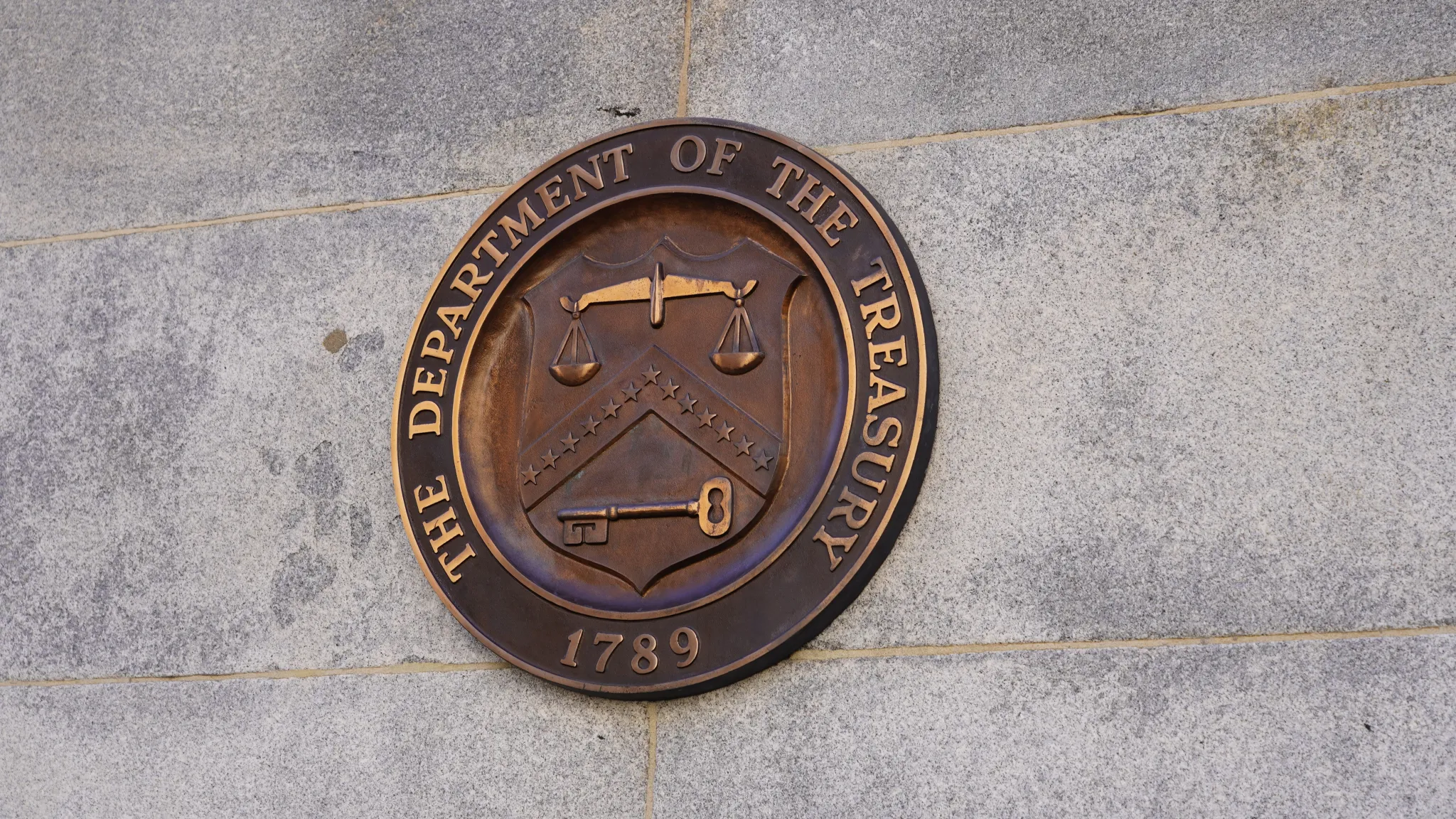

In a significant move for the cryptocurrency industry, the U.S. Treasury Department has announced plans to ease tax regulations for corporate entities involved in cryptocurrency transactions. This decision comes amid growing concerns from businesses about the complexities and uncertainties surrounding current tax obligations related to digital assets.
Historically, the tax treatment of cryptocurrencies has been a contentious issue. Corporations have faced challenges in accurately reporting gains and losses from crypto transactions, leading to confusion and potential compliance risks. The existing framework often treated cryptocurrencies as property, which complicated the tax implications for businesses engaging in frequent trading or holding digital assets as part of their operations.
The Treasury’s new guidelines aim to simplify these processes, making it easier for corporations to navigate their tax responsibilities. By reducing the administrative burden, the Treasury hopes to encourage more businesses to engage with cryptocurrencies, fostering innovation and investment in the digital asset space. This change is expected to provide clarity on how corporations can report their crypto activities, ultimately promoting a more favorable environment for corporate participation in the cryptocurrency market.
As the regulatory landscape continues to evolve, this move by the Treasury Department signals a recognition of the growing importance of cryptocurrencies in the economy. It reflects a broader trend of governments adapting to the realities of digital finance, ensuring that tax policies keep pace with technological advancements.
Related: More from Regulation & Policy | US Court Sets Deadline for Sam Bankman | WLFI Cryptocurrency Investigation: What House Democrats Uncover