
Headline: Tech Slump Deepens as Rate-Cut Optimism Fades; Bitcoin Slides While Gold Outperforms
Key Takeaways
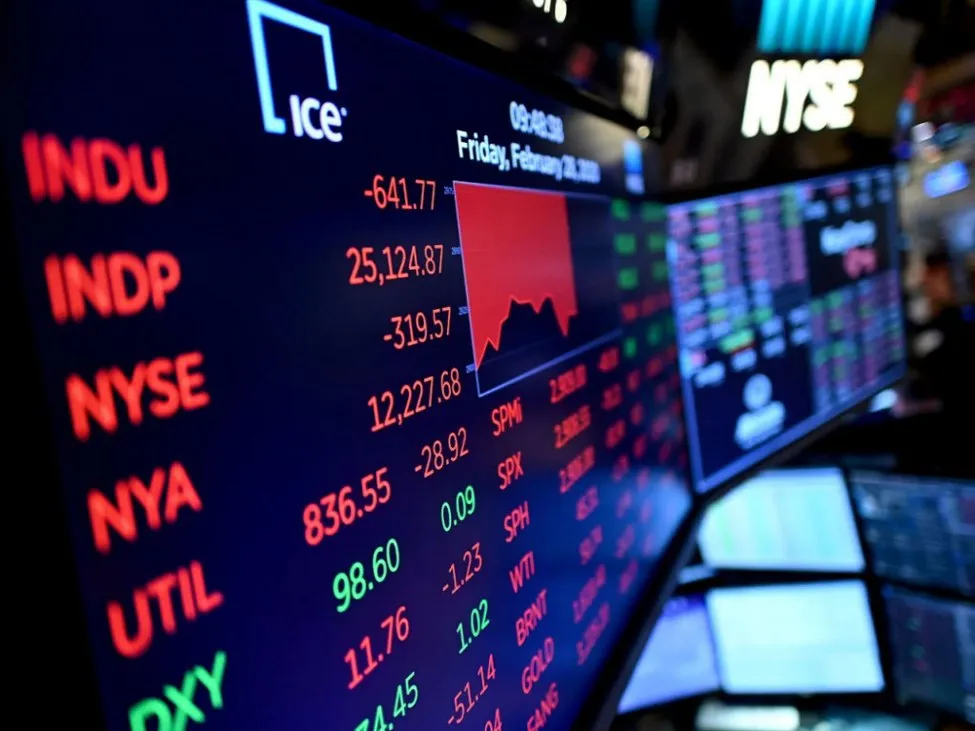
A sharp risk-off turn gripped global markets, with major U.S. indexes logging their worst day in a month as hopes for near-term Federal Reserve rate cuts cooled. Futures were steady overnight, but sentiment remained fragile amid a broad tech sell-off and a flight to defensive assets.
High-growth technology and AI-related stocks led the retreat, with names such as Nvidia, Super Micro Computer, and Palantir pressured by mounting valuation concerns. As investors reassessed the path of monetary policy, rate-cut expectations slipped and U.S. futures held flat into the Asia session. Across the region, the British pound softened while oil, the New Zealand dollar, and precious metals advanced, underscoring a preference for commodities and perceived safe havens.
Crypto markets mirrored the risk reset. Bitcoin fell 4–9% into the $98k–$99k area, briefly dipping below six-month lows, as on-chain data pointed to long-term holders distributing roughly 815,000 BTC. Heightened credit risk within crypto added to the pressure, even as some market indicators still imply a slightly higher probability of a rebound toward $115k than a slide to $85k. Gold and silver rallied 4–9%, extending their outperformance; some market watchers note that gold’s lead has historically preceded renewed interest in Bitcoin with a lag. Meanwhile, ongoing warnings about sovereign debt risks and stretched valuations suggest volatility could persist, particularly if the Fed’s timeline for policy easing continues to lengthen.
Key Points: – U.S. stocks posted their worst session in a month as rate-cut expectations diminished. – AI and tech leaders, including Nvidia, Super Micro Computer, and Palantir, slid on valuation concerns. – Asia session: GBP weakened, while oil, NZD, gold, and silver moved higher. – Bitcoin declined into the $98k–$99k range, with long-term holders selling an estimated 815,000 BTC. – Crypto faced rising credit risk; gold and silver outperformed with 4–9% gains. – Sovereign debt warnings and stretched valuations point to continued market volatility.
Context
Current positioning around Bitcoin News remains sensitive to primary-source updates, policy interpretation, and execution risk across major venues.
What To Watch
Key confirmation signals include sustained spot demand, funding stability, and whether price can hold reclaimed levels after headline-driven volatility.
If momentum weakens, traders will likely prioritize downside liquidity zones and risk-control positioning before adding new directional exposure.
Related: More from Bitcoin News | BTC Targets $69K Amid Stock Rally, Ignoring Iran Strikes in Bitcoin | Anthony Pomplianos ProCap Buys 450 BTC, Boosts Share Repurchases in Bitcoin