

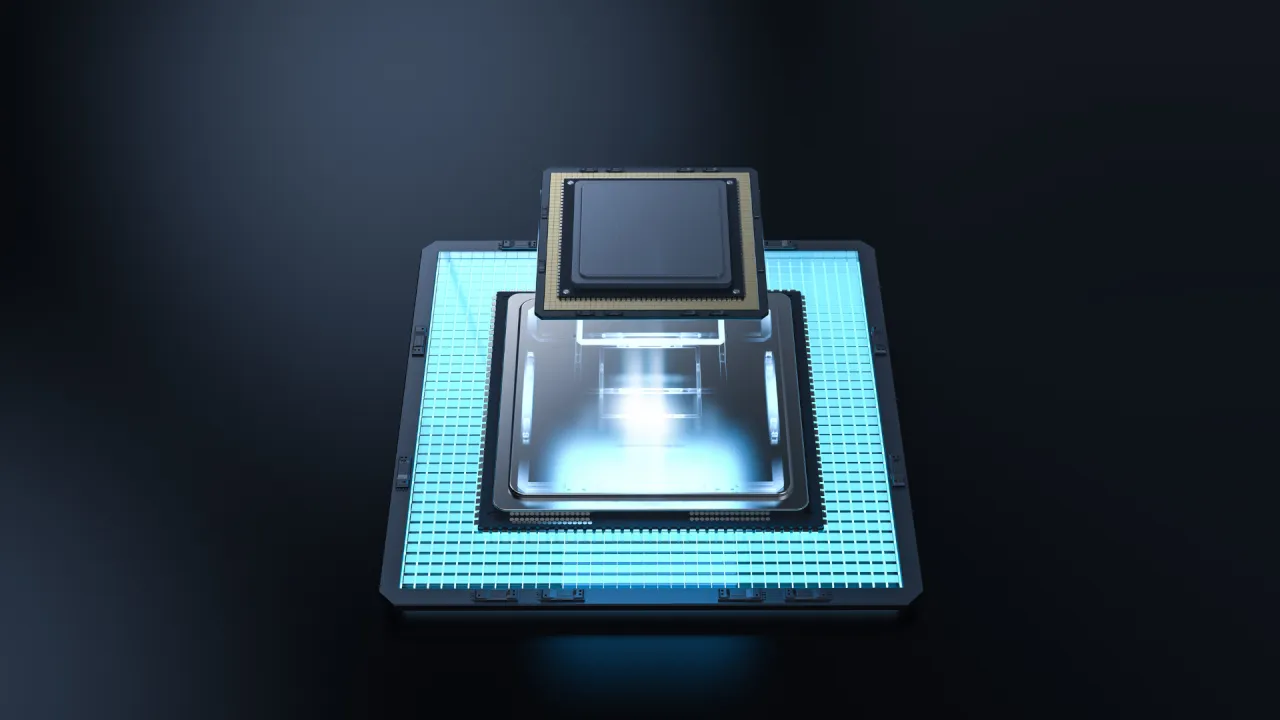

Quantum computing has long been heralded as the next frontier in technology, promising unparalleled processing power and the ability to solve complex problems beyond the reach of classical computers. However, significant challenges have hindered its practical application, including issues related to error correction, circuit compilation, and system simulation. Fortunately, advances in accelerated computing are beginning to mitigate these challenges, bringing quantum applications closer to reality.
Accelerated computing leverages specialized hardware, such as GPUs and TPUs, to enhance computational efficiency and speed. This technology is particularly beneficial for quantum computing, where the intricacies of quantum states and operations demand immense processing capabilities. By integrating accelerated computing techniques, researchers can significantly improve error correction methods, which are crucial for maintaining the integrity of quantum information. This is vital, as quantum bits, or qubits, are notoriously susceptible to errors due to their delicate nature.
Moreover, accelerated computing facilitates more efficient circuit compilation, streamlining the process of designing quantum algorithms. This means that developers can focus on creating innovative applications rather than getting bogged down by technical limitations. Additionally, system simulation becomes more feasible, allowing scientists to model quantum systems accurately and predict their behaviors.
In summary, the synergy between accelerated computing and quantum technology is a promising development that could unlock the full potential of quantum applications. As these advances continue to evolve, we may soon witness a new era of computing that transforms industries and solves some of the world’s most pressing challenges.
Related: More from Ethereum News | ETH Investment News: The 7 Siblings’ Surprising $10 Million Move | Ethereum Price Drop: Is Vitalik Buterin’s $6.6M Sale a Warning Signal?