
UK shelves income tax rate hike ahead of 26 November Budget
Key Takeaways
The UK government has stepped back from plans to raise income tax rates ahead of the 26 November Budget, shifting the focus to alternative fiscal measures. With pressure mounting over the state of the public finances and the political sensitivity of tax rises, the move signals a recalibration of strategy by Prime Minister Keir Starmer and Chancellor Rachel Reeves.
Reports indicate the rethink was communicated to the Office for Budget Responsibility this week, reflecting concerns over voter backlash and growing unease within Labour’s ranks. While higher income tax rates had been expected to raise tens of billions to satisfy tight fiscal rules and reassure gilt investors, the Treasury is now exploring other options to close a funding gap estimated at up to £30 billion. Potential measures include adjusting or freezing tax thresholds rather than changing rates—a path more consistent with earlier pledges not to increase taxes on “working people,” even as ministers acknowledge the fiscal position is worse than anticipated.
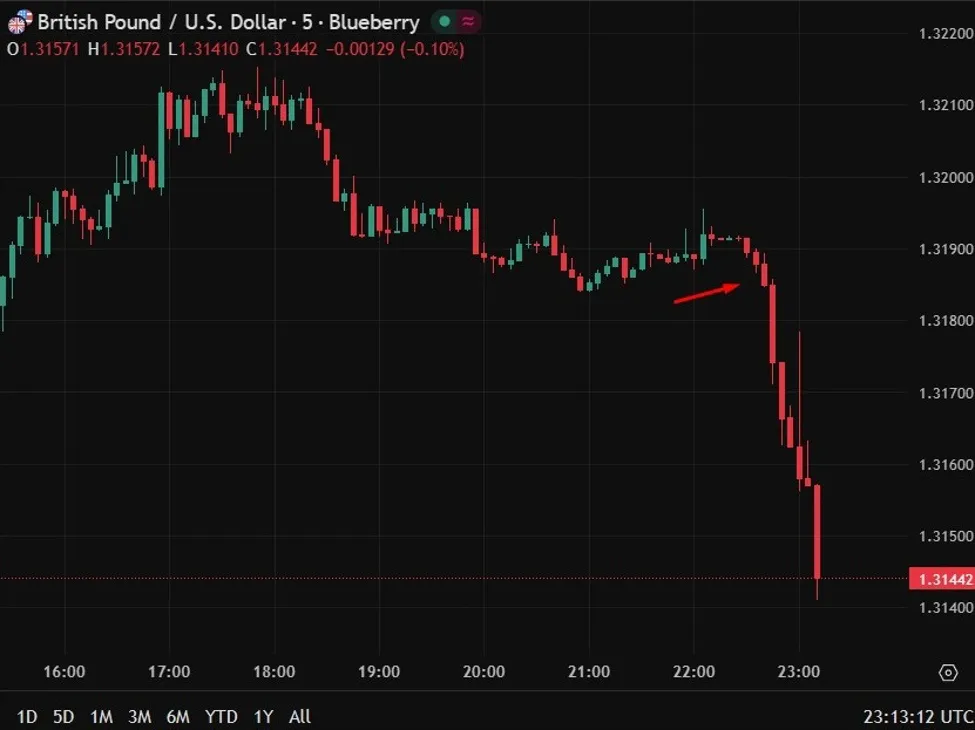
Financial markets reacted quickly, with sterling softening on the headlines as investors weighed the implications for the UK’s deficit-reduction plans. The National Institute of Economic and Social Research has urged the government to identify around £50 billion in measures to stabilise the outlook. Neither the Treasury nor the OBR has publicly confirmed the shift, but the Budget now looks set to prioritise credibility with markets while avoiding headline income tax rate rises.
Key Points – UK government drops plans to raise income tax rates before the 26 November Budget. – Decision driven by voter concerns and internal party tensions amid a tougher fiscal backdrop. – Treasury exploring alternative revenue options, including changes to tax thresholds. – Fiscal gap estimated at up to £30 billion; credibility with gilt markets remains a priority. – Sterling weakened on the news as investors reassessed the fiscal path. – Economic advisers have called for up to £50 billion in measures to stabilise public finances.
Context
Current positioning around Market Analysis remains sensitive to primary-source updates, policy interpretation, and execution risk across major venues.
What To Watch
Key confirmation signals include sustained spot demand, funding stability, and whether price can hold reclaimed levels after headline-driven volatility.
If momentum weakens, traders will likely prioritize downside liquidity zones and risk-control positioning before adding new directional exposure.
Related: More from Market Analysis | HYPE Surges Through Bear Market in Crypto Market | Nasdaq Joins Cboe in Binary Option Prediction Market in Crypto Market