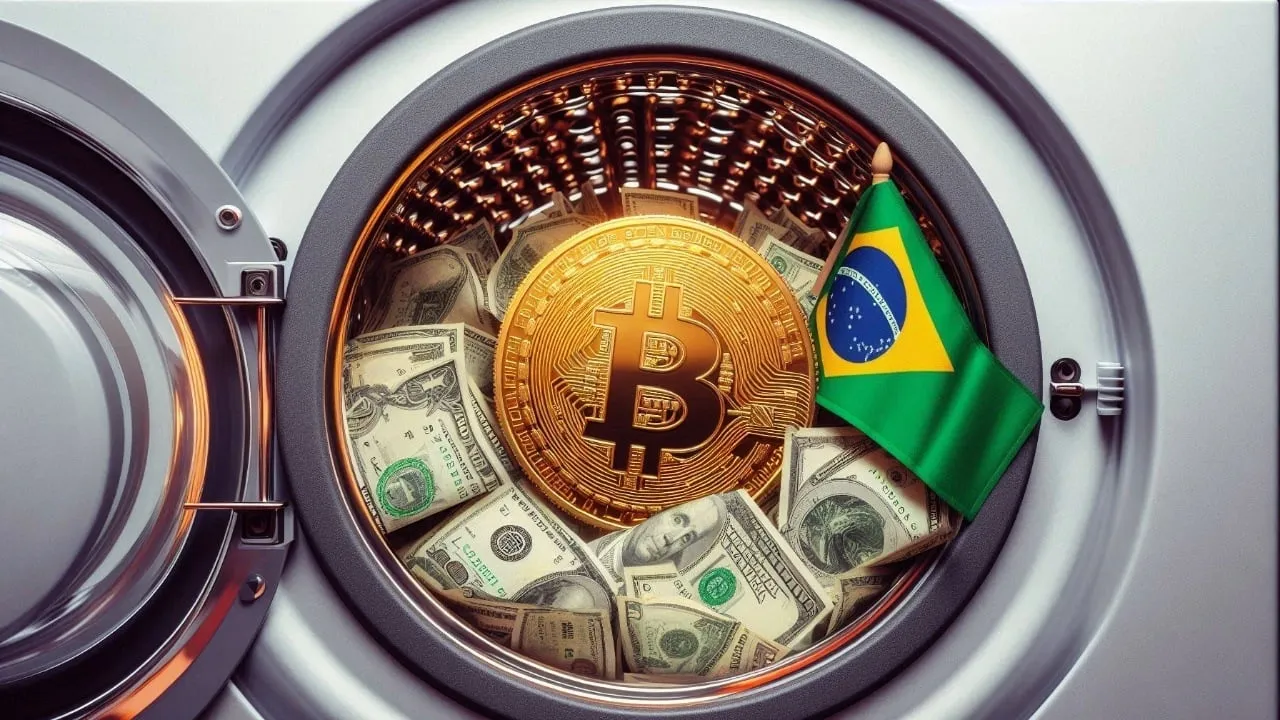

Brazil has proposed selling confiscated Bitcoin as a strategy to weaken organized crime networks. The initiative aims to disrupt the financial operations of these criminal organizations. By liquidating the seized cryptocurrency, authorities believe they can limit the resources available to these groups. The sale of Bitcoin is part of a broader effort to enhance public safety and reduce crime in the country.
Key Takeaways
The Brazilian government noted that the proceeds from these sales could potentially be reinvested into law enforcement and community programs to further combat crime. This approach reflects a growing trend among nations seeking to utilize cryptocurrency in innovative ways for public benefit. Authorities are considering the legal aspects and potential market impacts of such sales.
Additionally, law enforcement agencies in Brazil have been increasing efforts to track and seize digital assets linked to criminal activity. The rise of cryptocurrencies has presented both challenges and opportunities for combating organized crime. Selling seized Bitcoin represents a proactive measure to address these challenges.
The proposal has sparked discussions about cryptocurrency regulation and its implications for crime and law enforcement. As governments worldwide assess the role of digital currencies, Brazil’s initiative may influence how other countries approach seized assets in similar contexts.
Related: More from Bitcoin News | Core Scientific Posts Q4 Missings in Bitcoin | Bitcoin’s latest governance clash escalated this week as the first block signaling