


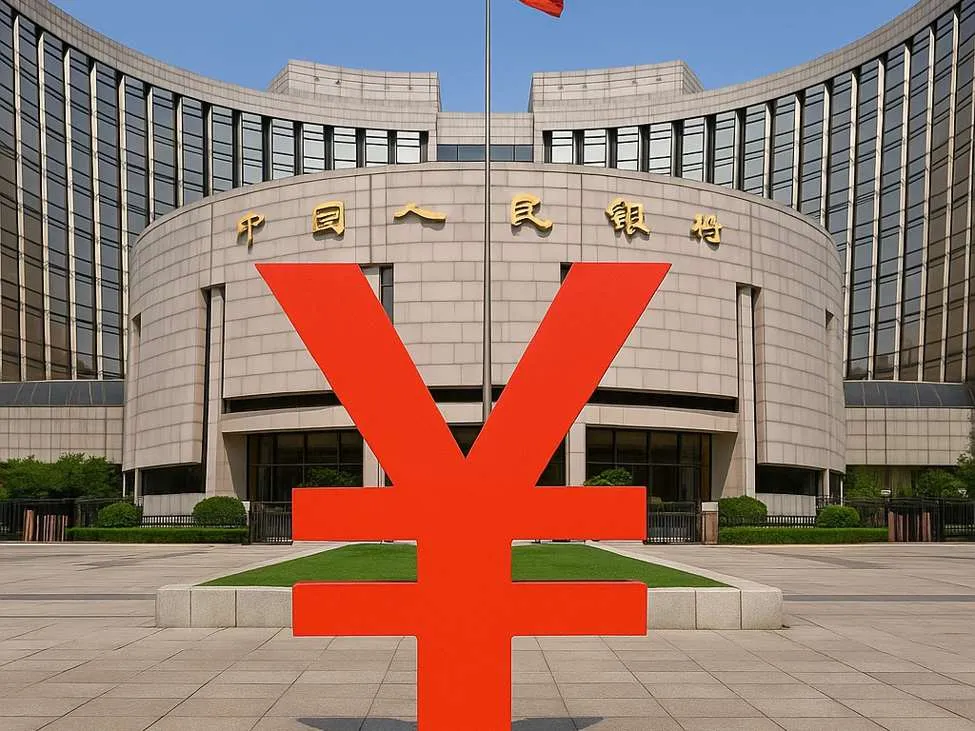

Headline: Goldman Delays China Easing Outlook as PBOC Prioritizes FX Stability
Key Takeaways
China’s monetary policy path may be slower to loosen than previously expected, with Goldman Sachs pushing back its forecast for rate and reserve requirement cuts. The shift reflects a more cautious tone from the People’s Bank of China (PBOC) and a clear emphasis on currency stability and structural reform over aggressive stimulus.
Goldman now anticipates a 10bp policy rate cut and a 50bp reduction in the reserve requirement ratio in Q1 2026, rather than late 2025, followed by an additional 10bp rate cut in Q3 2026. The bank cites recent policy discussions on RMB internationalization and Beijing’s focus on exchange-rate management as signals that gradual yuan appreciation is preferred to broad-based monetary easing. In its Q3 monetary policy report released on 11 November, the PBOC maintained a “moderately loose” stance but highlighted cross-cyclical adjustments, which points to a less dovish approach. The report also downplayed traditional loan growth, underscoring a pivot toward direct financing and the local government debt swap program as core structural priorities.
On the currency front, Goldman expects any appreciation of the CNY against the USD to be gradual and uneven, with the dollar’s trend remaining the dominant influence. A faster strengthening of the yuan would likely require a clear catalyst, such as year-end repatriation flows from exporters. The PBOC’s reference to exchange-rate “flexibility,” rather than “resilience,” suggests reduced depreciation pressure. As a result, foreign exchange stability is not seen as a major constraint on measured policy easing in the year ahead.
Key Points – Goldman Sachs shifts its China easing timeline to Q1 2026 for a 10bp policy rate cut and 50bp RRR cut, with another 10bp rate cut in Q3 2026. – PBOC’s latest report keeps a “moderately loose” stance but stresses cross-cyclical adjustments, signaling a more cautious policy tone. – Policy focus is moving from loan-driven growth toward direct financing and the local government debt swap program. – RMB internationalization and FX management imply a preference for gradual yuan appreciation over large-scale stimulus. – CNY gains versus USD expected to be gradual and choppy; stronger appreciation likely needs catalysts like year-end exporter conversions. – FX stability is unlikely to prevent measured monetary easing over the coming year.
Context
Current positioning around Market Analysis remains sensitive to primary-source updates, policy interpretation, and execution risk across major venues.
What To Watch
Key confirmation signals include sustained spot demand, funding stability, and whether price can hold reclaimed levels after headline-driven volatility.
If momentum weakens, traders will likely prioritize downside liquidity zones and risk-control positioning before adding new directional exposure.
Related: More from Market Analysis | HYPE Surges Through Bear Market in Crypto Market | Nasdaq Joins Cboe in Binary Option Prediction Market in Crypto Market