
Headline: RBA’s Hauser Sees Limited Near-Term Rate Cuts as Economy Runs Above Potential

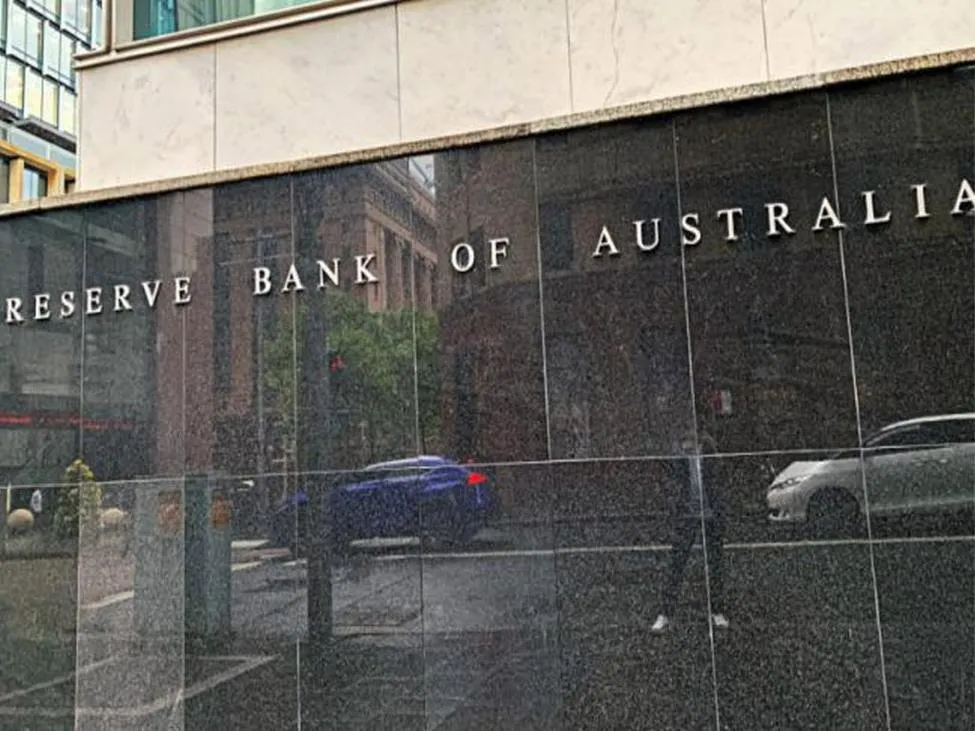
Australia’s economy is proving stronger than expected, and that strength is complicating the Reserve Bank of Australia’s path to lower interest rates. Speaking in Sydney, Deputy Governor Andrew Hauser described an “unusual challenge” for monetary policy: demand is running ahead of the country’s productive capacity even after growth resumed last year, leaving little room to ease without risking a fresh burst of inflation.
Hauser noted the recovery is the tightest since the early 1980s, with minimal slack in labor markets and supply chains. While robust activity and hiring are positive for businesses and jobs, they narrow the central bank’s margin for maneuver. To guide inflation back to the 2–3% target, policy will need to remain sufficiently restrictive to steadily close the output gap over time.
The RBA kept the cash rate on hold at 3.6% last week after three cuts earlier in 2025, as policymakers turned more cautious amid firmer inflation, stronger household demand, and a housing market rebound. The bank now expects inflation to sit above target until at least mid-2026, highlighting ongoing capacity constraints. Hauser indicated rate cuts could resume from late 2025 to support growth, but emphasized that lasting disinflation depends on stronger productivity and investment that expand the economy’s supply side.
Key Points – RBA’s Hauser says demand is still running above potential, limiting scope for near-term rate cuts. – Monetary policy must stay restrictive to narrow the output gap and return inflation to target. – Labor and supply capacity are tight, supporting jobs but complicating policy settings. – Cash rate held at 3.6% after three cuts earlier in 2025 amid stronger inflation and demand. – Inflation is projected to remain above the 2–3% band until at least mid-2026. – Rate cuts could resume from late 2025, contingent on improved productivity and new capacity.