

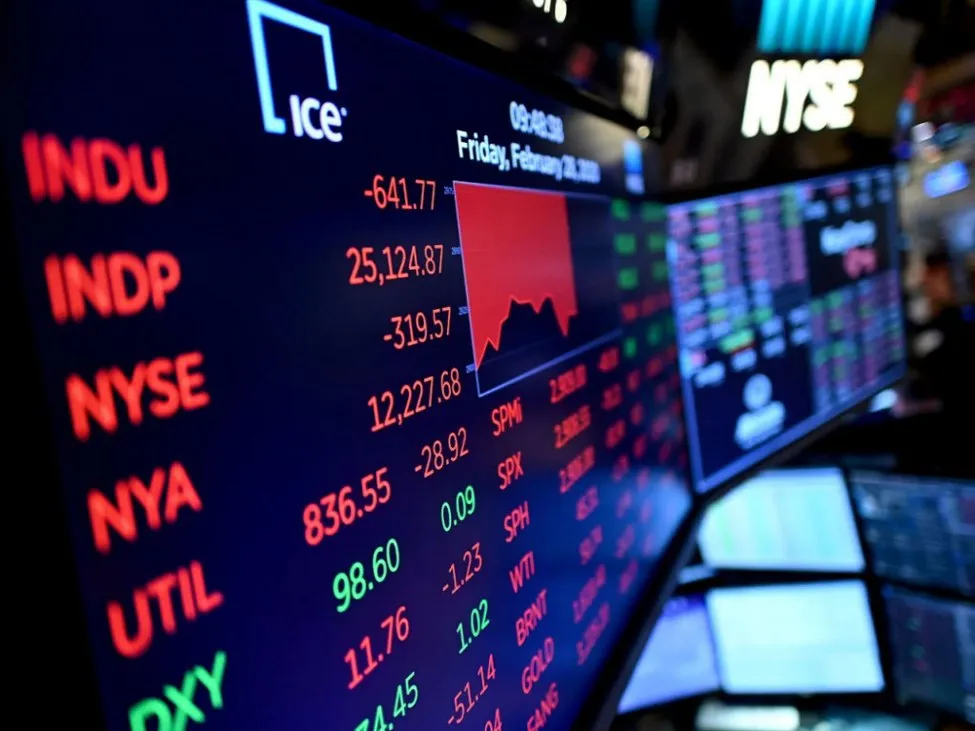

Stocks Turn Lower as Risk Appetite Begins to Look Weary
In recent trading sessions, global stock markets have shown signs of fatigue, turning lower as investor risk appetite appears increasingly weary. This shift in market sentiment reflects growing concerns over economic uncertainties, geopolitical tensions, and potential policy changes by central banks.
Key Takeaways
Assessing the Global Economic Landscape
The post-pandemic recovery presented a bullish scenario for stocks worldwide, fueled by unprecedented fiscal and monetary support. However, as these stimulus measures begin to taper, investors are reevaluating the resilience of the global economy. The situation is further complicated by persistent inflation concerns, supply chain disruptions, and uneven recovery rates across different sectors and regions.
Geopolitical Tensions and Market Volatility
Geopolitical conflicts and tensions in key regions have also played a significant role in the recent downturn. Issues such as the escalating tensions between major powers, uncertainties in the Middle East, and disputes over trade and technology have sown seeds of doubt among investors. These factors contribute to market volatility and prompt investors to shift towards more conservative investment strategies.
Central Banks’ Tightening Cycle
One of the primary drivers behind the current weariness in risk appetite relates to the actions of central banks around the world. As inflation persists, central banks, including the Federal Reserve and the European Central Bank, have either signaled or initiated steps towards tightening monetary policy. The possibility of rising interest rates is particularly troubling for stock markets, as it generally leads to higher borrowing costs and reduced liquidity, dampening corporate profits and consumer spending.
Sectorial Impact and Investor Strategy
The bearish turn has had a varied impact across different sectors. Technology and growth stocks, previously the leaders of the market rally, have been among the hardest hit due to their sensitivity to interest rate changes. Conversely, sectors like utilities and consumer staples, often considered safer bets during uncertain times, have shown relative resilience.
Investors are now increasingly focusing on defensive strategies, shifting away from high-growth stocks in favor of those with stable earnings, solid dividends, and strong balance sheets. This approach suggests a broader trend towards risk aversion, as market participants brace for potential downturns.
Future Outlook: Navigating Uncertainty
Looking ahead, the stock market’s trajectory remains uncertain. Key factors to watch include the progression of inflation rates, central banks’ policy decisions, and geopolitical developments. Investors will also have an eye on corporate earnings reports, which will provide further insights into the economic impacts of the current environment.
As markets navigate through these turbulent times, financial advisors are stressing the importance of portfolio diversification and a focus on long-term investment principles. The use of alternative assets and hedging strategies may also gain prominence as methods to manage risk and protect capital in a less predictable market.
Conclusion
The recent pullback in global stock markets points to a broader sentiment of caution among investors. As the initial euphoria around economic recovery fades, the reality of ongoing challenges comes to the forefront. In such times, understanding the dynamics of market shifts and maintaining a well-thought-out investment strategy will be critical for navigating the potential storms ahead.
Related: More from Market Analysis | Middle East Tensions Lift CRCL Shares Amid Rate in Crypto Market | Dollar Rise Weighs on Cryptos, Gold in Crypto Market