

Dollar Keeps Steadier Alongside Yields So Far on the Day
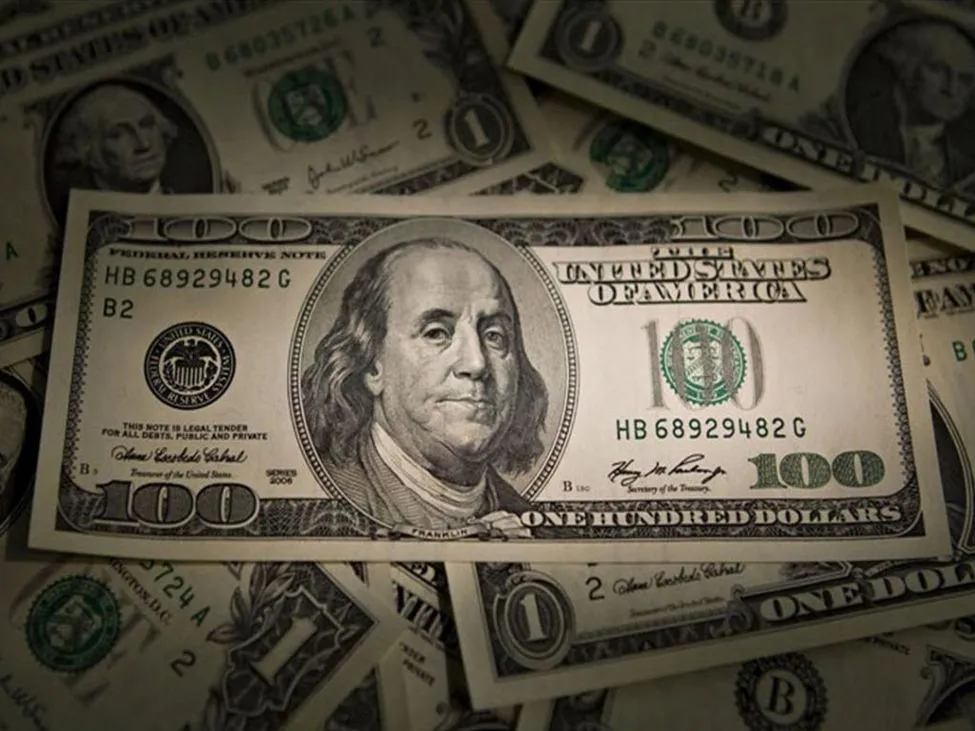
As financial markets cross into another bustling trading day, the US dollar is showing a steadier performance, closely mirroring movements in the bond market. Amidst a volatile economic environment, investors and analysts are closely monitoring these trends, providing a glimpse into the underlying forces shaping global financial dynamics.
Key Takeaways
Key Drivers of Current Trends
The steadiness of the dollar in today’s trading session can be largely attributed to the stability observed in US Treasury yields. After recent fluctuations, yields have shown less volatility, instilling a sense of cautious optimism among investors. Such movements in the bond markets are often a bellwether for currency fluctuations, particularly for the dollar, which holds the status of the world’s primary reserve currency.
Several factors are influencing this stabilization. Firstly, recent economic data from the US has been somewhat mixed, prompting a reassessment of earlier expectations regarding the economic recovery trajectory post-pandemic. While some sectors demonstrate robust growth, others remain subdued, painting a complex picture for policymakers.
Furthermore, the Federal Reserve’s current monetary policy stance continues to play a crucial role. The Fed has reiterated its position on maintaining an accommodative policy until substantial progress is made towards its dual objectives of maximum employment and price stability. This position tends to place a cap on yield growth, thereby affecting dollar dynamics.
Global Impacts
The performance of the US dollar is crucial for global markets, impacting everything from commodity prices to emerging market economies. A steadier dollar alongside stable yields is generally viewed favorably in other financial markets. It tends to reduce the volatility of capital flows and exchange rates in other countries, which is particularly beneficial for emerging economies that are vulnerable to sharp fluctuations in the dollar.
Moreover, steadiness in the dollar and yields can help in tempering inflation expectations, which have been a growing concern across many parts of the world as economies recover from the impacts of COVID-19. Stable yields suggest that investors are less concerned about immediate inflationary pressures, aligning closer to the Fed’s outlook.
Forward Look
As market participants look ahead, the key items on the agenda include upcoming US economic reports such as employment data, consumer confidence, and manufacturing indexes. These reports will provide further clues about the strength of the economic recovery and potentially guide future movements in both the dollar and bond yields.
Additionally, global events such as geopolitical tensions, updates on vaccine distribution, and international trade developments also warrant attention. These factors could introduce volatility in the bond markets, influencing the dollar’s trajectory further.
Conclusion
Today’s steadier performance of the dollar alongside US Treasury yields is a significant indicator within the broader financial landscape. Investors looking forward should remain vigilant, considering both domestic economic indicators and international developments. Understanding the interplay between yields and currency performance will be crucial in navigating the upcoming economic phases.
In summary, while the market today presents a steadier outlook, the global financial environment remains fraught with uncertainties that demand careful analysis and strategic planning.
Related: More from DeFi & Stablecoins | SAN FRANCISCO, CA – For years, the crypto industry has searched for its | Aave Governance Split: Key Group Withdraws from Protocol in Stablecoin