


U.S.-China Tensions Intensify as U.S. Blocks Nvidia’s Scaled-Down AI Chip Sales Amid Regulatory Scrutiny
In a move that reflects the escalating tensions between the United States and China over technology and trade, the U.S. government has recently blocked Nvidia Corporation from selling its scaled-down artificial intelligence (AI) chips to China. This decision comes despite previous indications from former President Donald Trump that suggested a potential easing of restrictions against China in the tech sector.
Key Takeaways
Background of the Dispute
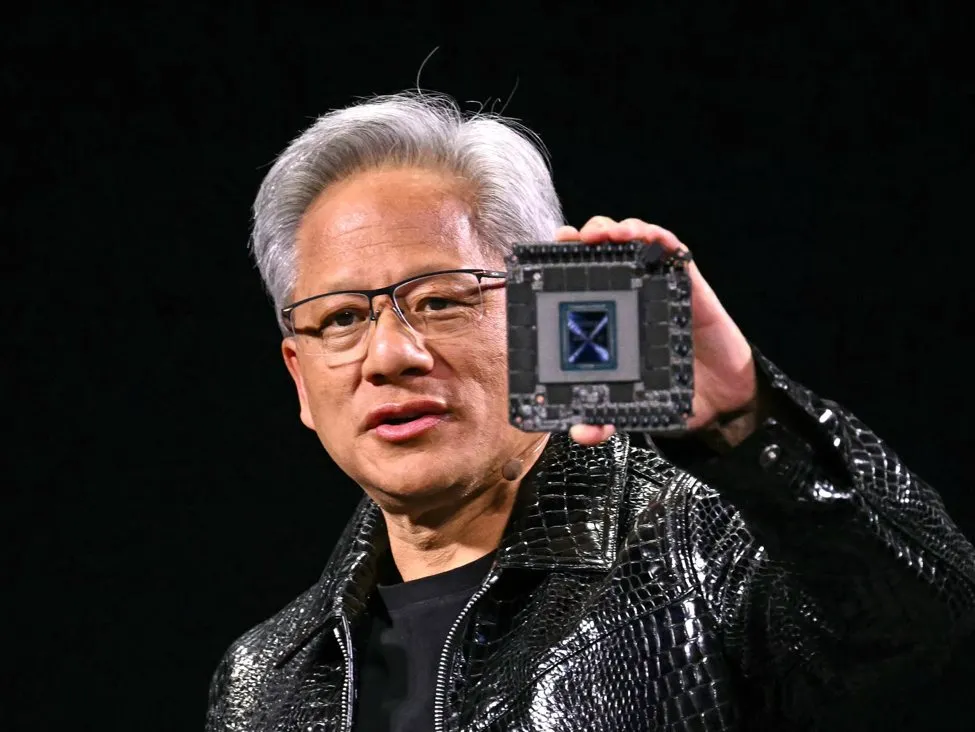
Nvidia, a leading technology company known for its powerful graphics processing units (GPUs) and AI chips, has been at the forefront of AI technology, powering everything from data centers to autonomous vehicles. The company’s AI chips, which are crucial for machine learning and deep learning applications, have become a focal point in the ongoing U.S.-China tech war.
Despite efforts to comply with earlier U.S. restrictions by designing scaled-down versions of their AI chips, Nvidia faced the U.S. government’s decision to block their sale to Chinese customers. This move signifies a tight grip on the export of advanced technology to China, reflecting concerns over national security and the potential military applications of AI technologies.
Implications of the Block
The decision to block sales of Nvidia’s AI chips to China could have several implications. Economically, it affects Nvidia’s business operations and potential revenue from the Chinese market, which is a significant consumer of chips for data centers and AI research. The stock market reacted swiftly, with Nvidia’s shares experiencing volatility following the announcement.
Strategically, this action could lead to China accelerating its efforts to develop indigenous capabilities in semiconductor technologies. Already invested heavily in building a self-sufficient tech industry, the Chinese government may boost resources to decrease dependency on U.S. technology, potentially leading to innovations that could rival those of U.S. companies in the long term.
U.S. Regulatory Context
The block on Nvidia’s sales comes amid broader regulatory efforts by the U.S. to limit China’s access to technologies deemed critical for security. The U.S. Department of Commerce has been active in updating the Entity List and expanding restrictions under the guise of protecting national security. These measures have been part of a broader strategy to curb technological transfers that could enhance China’s capabilities in sectors like wireless communication, quantum computing, and artificial intelligence.
International and Diplomatic Repercussions
The tightened restrictions also pose challenges for U.S.-China diplomatic relations, which have been strained over issues ranging from trade to human rights. This move might complicate efforts to stabilize diplomatic ties, with China possibly perceiving these restrictions as an impediment to its technological and economic development. The decision also has wider repercussions on global supply chains, affecting multinational companies that operate in both countries.
Looking Forward
As tensions remain high, the technology sector is likely to remain a battleground for U.S.-China competition. Companies like Nvidia are caught in the crossfire, having to navigate the complex geopolitical landscape while pushing forward their innovations and managing international market demands. The U.S. government continues to balance national security concerns with economic interests, leading to decisions that can reshape the tech industry’s dynamics globally.
The blocked sale of Nvidia’s AI chips to China is not merely a regulatory measure but a signal of enduring rivalry and strategic posture between the two global powers. As this situation evolves, the technology world watches closely, aware that the outcomes will likely influence the future direction of AI development and international technological supremacy.
Related: More from Regulation & Policy | Paul Atkins: Trumps Crypto Legacy in Crypto Regulation | BOJ Examines Tokenized Central Bank Money for Digital Yen in 2026