


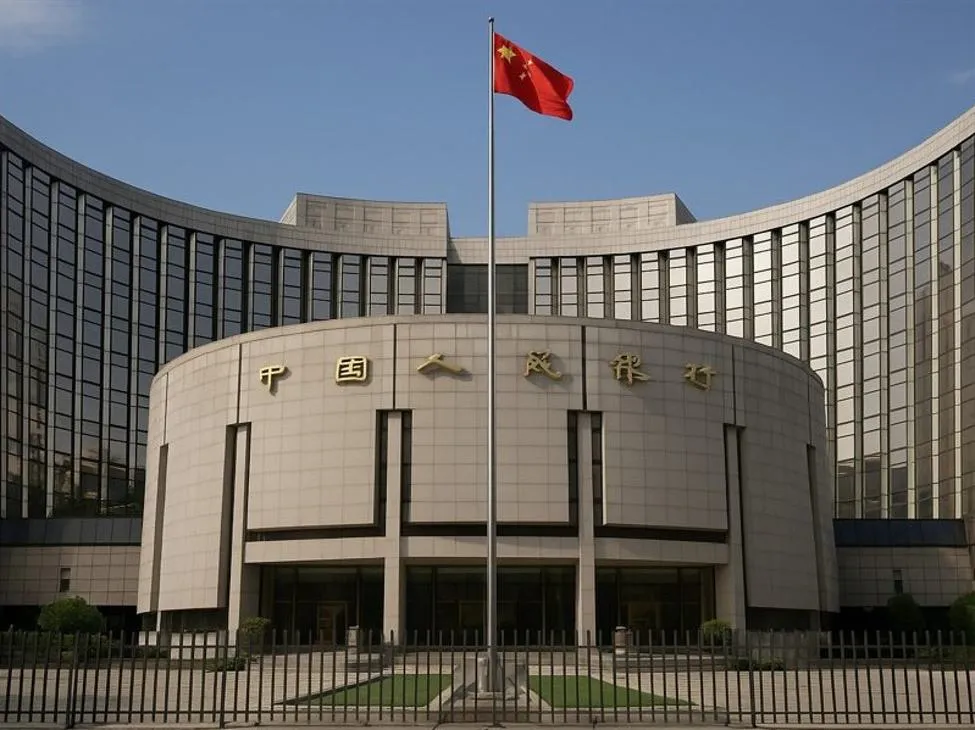

PBOC Expected to Set the USD/CNY Reference Rate at 7.1131, According to Reuters Estimates
In a forthcoming financial adjustment, the People’s Bank of China (PBOC) is anticipated to establish the USD/CNY reference rate at 7.1131, as per the latest Reuters calculations. This expected adjustment reflects ongoing shifts in the economic outlooks between the United States and China, and echoes broader currency market dynamics influenced by international trade flows, policy changes, and economic indicators.
Key Takeaways
Currency Control and Its Implications
The Chinese central bank sets the yuan’s daily reference rate against the dollar, which is a pivotal element in their tight control over the currency. This rate determines the allowable trading range of the yuan against the dollar for that specific day, confining it to move only 2% above or below the midpoint.
Setting the USD/CNY reference rate is a significant economic lever for China. By managing this rate, the PBOC aims to stabilize the yuan to avoid excessive volatility, which could potentially lead to economic instability. This controlled approach to valuation reflects China’s broader strategy to stabilize its economic environment, even amid global economic uncertainties such as fluctuating commodity prices, geopolitical tensions, and shifts in foreign investment flows.
Economic Factors Driving the Adjustment
Several factors could be influencing the PBOC’s decision to potentially set the rate at 7.1131. First, the ongoing U.S.-China trade relations play a crucial role. The complex interaction between tariffs, trade negotiations, and economic sanctions continually reshapes the economic landscape that directly affects currency valuations.
Second, domestic economic indicators within China, including GDP growth rates, export data, and industrial production, are vital. A stronger or weaker than expected economic performance could push the central bank to adjust the currency settings to either cushion the economy or prevent it from overheating.
Lastly, international factors, such as the Federal Reserve’s monetary policy in the U.S., significantly influence the USD/CNY rate. Interest rate adjustments and economic outlook statements from the Federal Reserve can lead to substantial fluctuations in the dollar, prompting reciprocal actions from global central banks, including the PBOC.
Market Reactions and Global Implications
The financial markets are highly responsive to changes in the reference rates set by the PBOC, given China’s significant role in the global economy. A stronger yuan compared to the dollar can make Chinese goods more expensive on the international market, potentially affecting China’s export economy. Conversely, a weaker yuan could boost exports but might lead to other economic challenges, such as increased capital outflow or higher inflation.
Investors, multinational corporations, and governments closely monitor these adjustments. They adjust their investment strategies, supply chain logistics, and diplomatic approaches based on anticipated changes in currency policies. Effective currency management by the PBOC not only stabilizes the Chinese economy but also provides a measure of predictability that benefits global markets.
Conclusion
As the PBOC sets the USD/CNY reference rate at 7.1131, market watchers and policymakers will be analyzing the broader implications of this move. By managing the exchange rate, China controls one of the most crucial levers of its economic policy. How effectively the PBOC stabilizes the yuan amidst domestic and international pressures will continue to be a point of significant interest and importance in the global financial landscape.
Related: More from Market Analysis | Middle East Tensions Lift CRCL Shares Amid Rate in Crypto Market | Dollar Rise Weighs on Cryptos, Gold in Crypto Market