

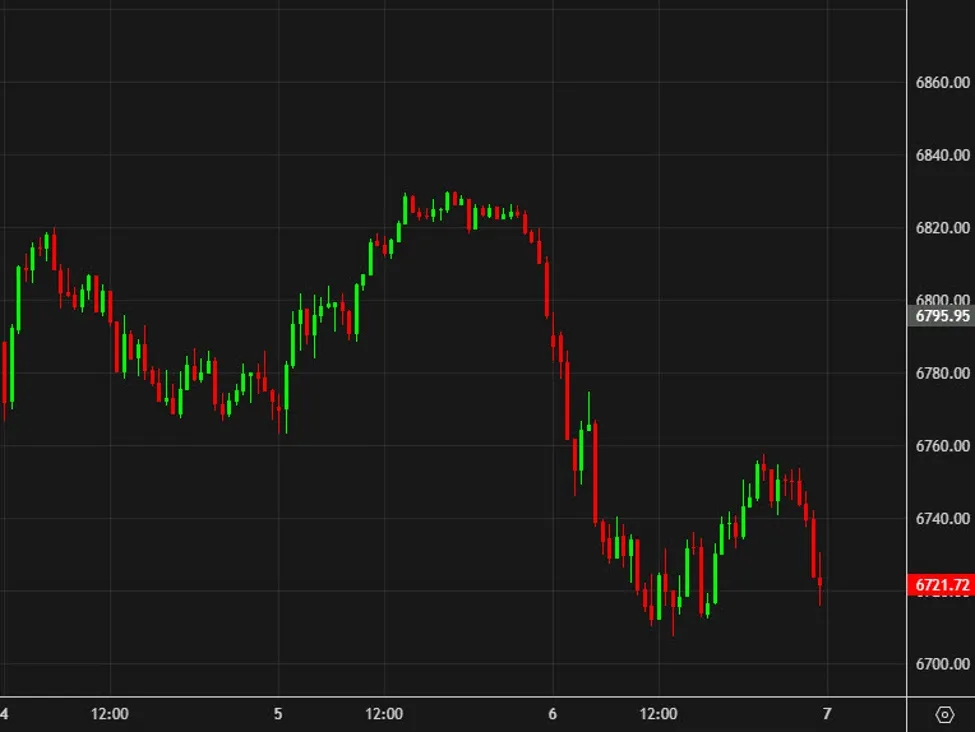

U.S. Equity Close: Signs of Second Thoughts in the AI Investment Boom
In recent years, the wave of enthusiasm for artificial intelligence (AI) technologies has sent shockwaves through the investment landscape, promising to redefine sectors ranging from healthcare to finance. However, recent trends in U.S. equity markets suggest that investors are beginning to show signs of caution, reassessing the gold rush mentality that has characterized the AI investment boom until now.
Initial Surge and Subsequent Caution
AI-focused companies, particularly those in tech-heavy indexes, experienced significant gains as investors poured money into stocks associated with machine learning, natural language processing, and robotics. This investment drive was fueled by a belief in AI’s transformative potential and spurred further by success stories from Silicon Valley upstarts to established tech giants pivoting to embrace AI innovations.
However, a mixture of broader market volatility, concerns over regulatory scrutiny, and the inevitable maturation of AI technologies are prompting a reassessment of these investments. After a prolonged period of bullish investment, the closing figures from recent U.S. equity markets highlight a more cautious approach, characterized by a mild pullback in AI stock prices and a reconsideration of long-term strategies concerning AI enterprises.
Factors Influencing Investor Sentiment
-
Valuation Concerns: As with many rapidly growing sectors, hype can lead to inflated valuations. Companies boasting cutting-edge AI technologies have commanded high premiums, but as the market matures, there’s a growing concern among investors about the sustainability of these valuations, especially if the technology doesn’t quickly translate into viable profit streams.
-
Regulatory Environment: Global regulators are starting to pay more attention to AI, particularly around issues of data privacy, security, and the potential for societal disruption. The European Union’s AI regulation framework and similar initiatives in the U.S. could affect how companies deploy AI solutions, potentially stifling innovation or skewing growth prospects.
-
Technological Challenges: AI technology is still in its developmental stages, and while there are many successful applications, the technology also faces significant hurdles such as biases in decision-making processes and the energy costs associated with training complex models. These challenges could limit the scope of AI’s applicability and its potential market size.
- Market Dynamics: As the broader tech sector faces corrections or downturns amidst changing economic policies and macroeconomic factors, AI investments are likewise affected. The recent tech sell-off is a prime example of how external economic pressures can influence sector-specific investments.
Investor Strategies Moving Forward
Given these dynamics, investors appear to be shifting their strategies from a high-risk, high-reward approach to a more measured engagement with AI stocks. Some are diversifying their AI-related investments to include not just pure AI firms but also companies providing auxiliary services or foundational technologies like chip manufacturing and cloud services that stand to benefit from AI’s growth indirectly.
Others are adopting a “wait-and-see” approach, keeping a keen eye on how companies scale AI technologies from pilot phases to real-world applications before committing further capital. This cautious optimism represents a significant shift from the earlier fervency that characterized the AI investment sphere.
Conclusion
The recent tempering of enthusiasm in AI investments mirrors the typical lifecycle of technological adoption—initial excitement followed by more measured engagements as challenges and practicalities surface. For long-term investors, this could represent an opportunity to build or adjust portfolios that can better withstand the vicissitudes of tech market cycles. As U.S. equity markets continue to evolve, the AI sector remains a significant area to watch, with its potential still large but now approached with a more discerning gaze by investors.
Related: More from Market Analysis | Middle East Tensions Lift CRCL Shares Amid Rate in Crypto Market | Dollar Rise Weighs on Cryptos, Gold in Crypto Market