


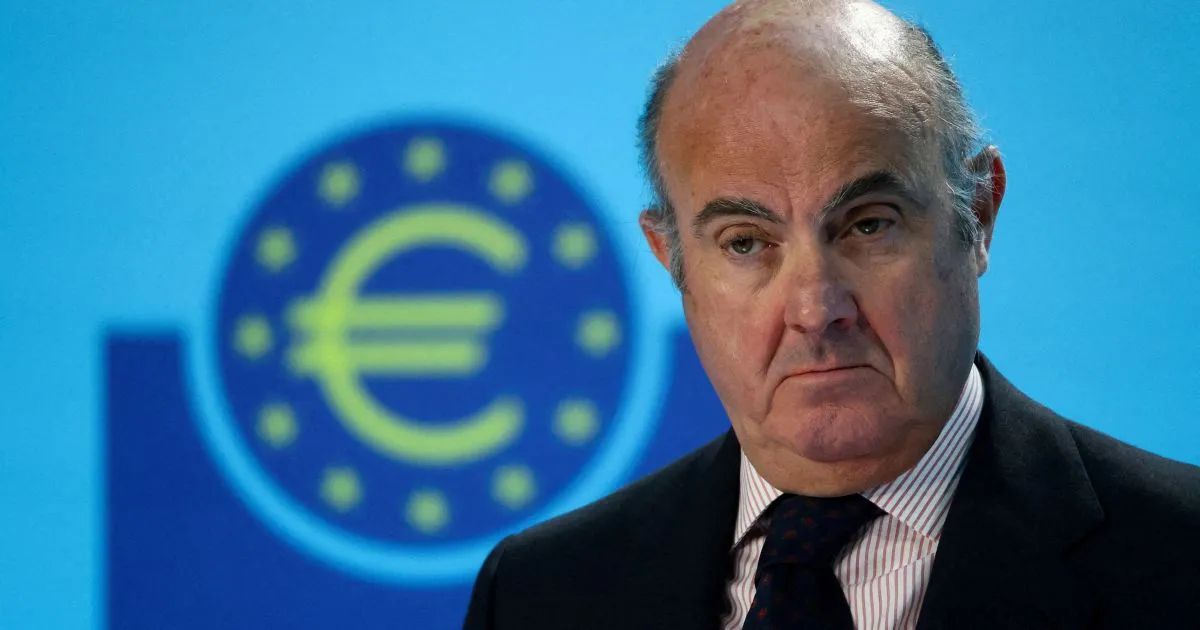

ECB's Vice President de Guindos: Signs of Positive Inflation Trends
European Central Bank Vice President Luis de Guindos recently provided an optimistic outlook on the Eurozone’s fight against inflation, suggesting that the latest data indicates some positive trends. This development comes as a breath of fresh air for the Eurozone economy, which has been grappling with high inflation rates that have squeezed household incomes and challenged economic policies.
Key Takeaways
Analyzing the Positives in Inflation News
Despite the persistent inflationary pressures primarily fueled by post-pandemic recovery challenges and geopolitical tensions, particularly the war in Ukraine, de Guindos highlighted that recent measures and data point towards a gradual stabilization. “The latest inflation news is positive,” stated de Guindos in a recent address. He elaborated that although the inflation rate remains above the ECB’s target of 2%, there are definitive signs of easing, thanks in part to the ECB’s monetary policy adjustments and the gradual resolution of supply chain disruptions.
Inflation in the Eurozone peaked at an all-time high late last year, driven by soaring energy prices and supply bottlenecks. However, recent months have seen a slight deceleration, suggesting that the policies implemented by the ECB, including rate hikes, are starting to have the intended effects. This is crucial as the bank aims for a delicate balance of curbing inflation without pushing the economy into a recession.
The Role of Monetary Policy
Under de Guindos’ and ECB President Christine Lagarde’s stewardship, the ECB has been vigilant, implementing several interest rate hikes in a bid to control inflation. These increases are intended to temper demand by making borrowing more expensive, thereby slowing down the rate at which prices rise.
De Guindos underscored the importance of these measures, “Our actions are aimed at anchoring inflation expectations and ensuring that this period of high inflation does not become entrenched.” These adjustments in monetary policy are vital in signaling the ECB’s commitment to its mandate and stabilizing the Eurozone’s economic environment.
Future Outlook
Looking forward, Vice President de Guindos was cautiously optimistic. While recognizing the challenges ahead, he reiterated the ECB’s readiness to adjust its policies as necessary to respond to emerging economic data. This adaptive approach is crucial in maintaining economic stability and fostering growth amidst various global uncertainties, including potential new waves of COVID-19, ongoing international conflicts, and other economic pressures.
Moreover, de Guindos called on national governments within the Eurozone to complement ECB’s efforts by implementing structural reforms and ensuring disciplined fiscal policies. These reforms are necessary for enhancing the economic resilience of the Eurozone, promoting job creation, and boosting productivity, which are essential for long-term sustainable growth.
Conclusion
In summary, the latest comments from ECB Vice President Luis de Guindos bring a cautiously optimistic view on the inflation outlook within the Eurozone. While challenges remain, the positive trends in recent inflation data suggest that the ECB’s policy measures are effectively contributing to the stabilization of prices. As the ECB continues its vigilant monitoring and adaptive policy approach, it also calls for a concerted effort from national governments to secure the path to recovery and long-term economic stability in the Eurozone.
Related: More from Regulation & Policy | Paul Atkins: Trumps Crypto Legacy in Crypto Regulation | BOJ Examines Tokenized Central Bank Money for Digital Yen in 2026