


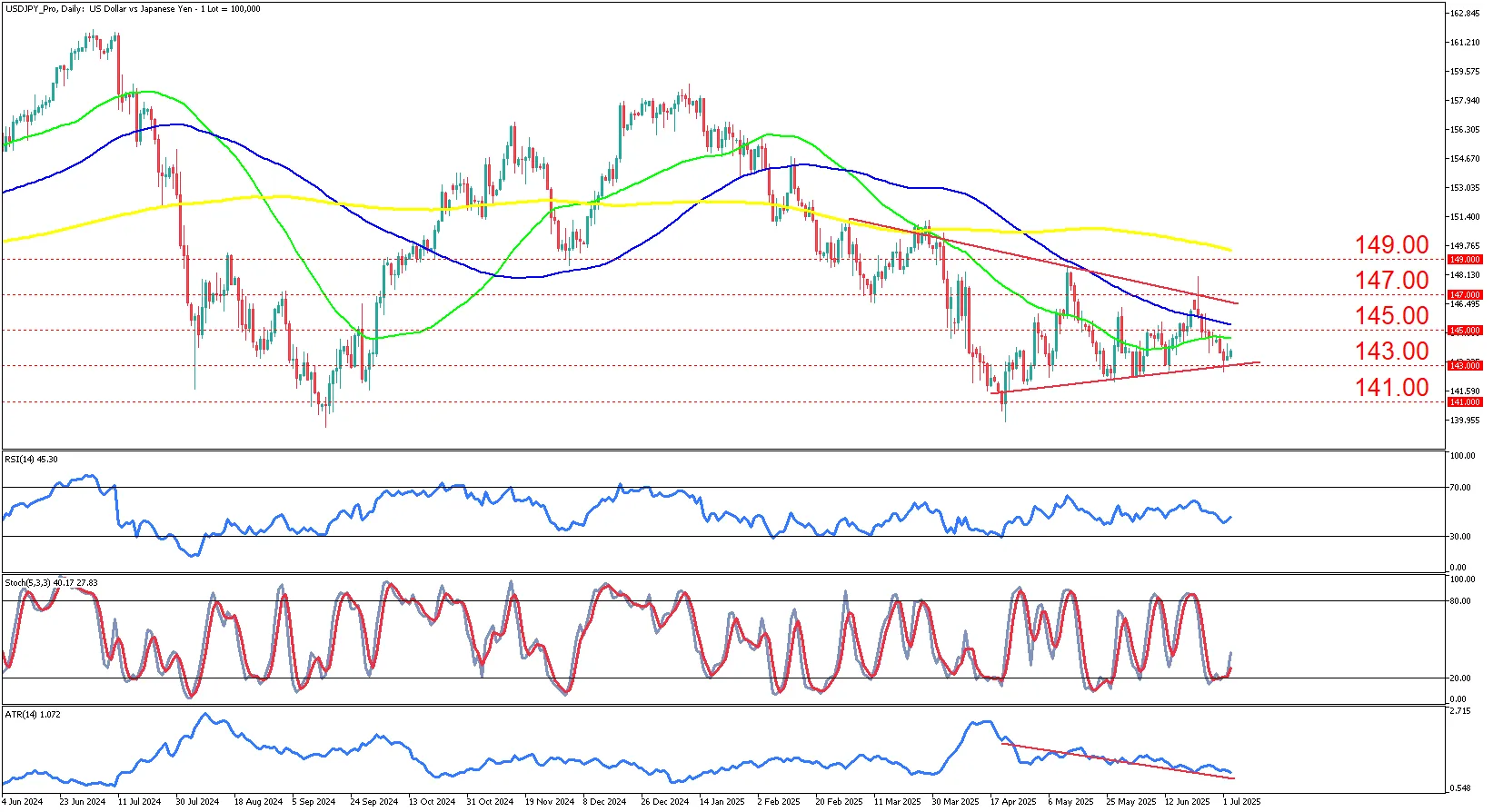

USDJPY Technical Analysis: The US Dollar Strength Runs Out of Steam
In the world of forex trading, few currency pairs garner as much attention as the US Dollar versus the Japanese Yen (USDJPY). It is a critical barometer of investor sentiment and the economic health between two of the world’s largest economies. Recently, after a period of marked strength, the US dollar has shown signs of losing momentum against the yen, heralding potential shifts in the currency markets.
Historical Perspective
Over recent months, the USDJPY has seen a significant rally. This was fueled by a combination of factors including the robust recovery of the US economy post-pandemic, aggressive monetary policy adjustments by the Federal Reserve, and a relatively higher inflation rate in the US compared to Japan, where the economy has been battling deflationary pressures.
The Turning Point
The turning tide for USDJPY began to surface as the Federal Reserve’s forward guidance started hinting at a more cautious approach to rate hikes, in contrast to their previous more aggressive stance. This change in tone is largely a response to concerns over potentially overheating the economy and the subsequent financial stability risks.
Technical Indicators
From a technical analysis standpoint, key indicators suggest that the USDJPY may be entering a consolidation or even a bearish phase:
1. Resistance and Support Levels
The pair recently tested a major resistance level at 145.00 but failed to break through, indicating a lack of upward momentum. Subsequent attempts to breach this level have resulted in declines, contributing to a bearish short-term outlook as support levels at 142.00 begin to be tested.
2. Moving Averages
The 50-day and 100-day moving averages are starting to converge. If the shorter-term moving average crosses below the longer-term average, it could be a classic ‘death cross’ scenario, a bearish sign favoring yen gains.
3. Relative Strength Index (RSI)
The RSI, a momentum oscillator that measures the speed and change of price movements, has dropped below 50, suggesting that the bullish momentum is weakening and could potentially transition into a bearish phase if the trend continues.
4. Fibonacci Retracement
Applying Fibonacci retracement levels from the last major upswing shows a retracement towards the 38.2% level, a key technical level often watched by traders, further reinforcing the potential for a downward move.
Economic Factors
Adding to the technical setup are economic factors that could impact the pair:
-
US Economic Data: Upcoming economic data, including inflation reports and employment figures, will provide further clues about the Federal Reserve’s likely actions. Weaker-than-expected data might imply a slower pace of rate hikes or a pause, dampening the dollar’s allure.
- Bank of Japan’s Policy Stance: Conversely, any hint of a shift towards tightening by the Bank of Japan, although unlikely in the immediate term, could give the yen a boost against the dollar.
Market Sentiment
Market sentiment, often driven by geopolitical events and global economic performance, tends to play a vital role as well. Recent uncertainties surrounding global growth rates and geopolitical tensions have led to increased safe-haven flows into the yen, traditionally viewed as a safer asset in times of crisis.
Conclusion
While the US dollar has enjoyed a period of strength, several signs are pointing towards a possible easing against the Japanese yen. Traders and investors would do well to keep an eye on upcoming economic data, central bank communications, and global geopolitical developments, as these could significantly influence the currency pair’s movements.
Moving forward, careful analysis of both technical factors and fundamental economic indicators will be crucial for those looking to navigate the shifts in USDJPY with success.
Related: More from Market Analysis | Middle East Tensions Lift CRCL Shares Amid Rate in Crypto Market | Dollar Rise Weighs on Cryptos, Gold in Crypto Market