

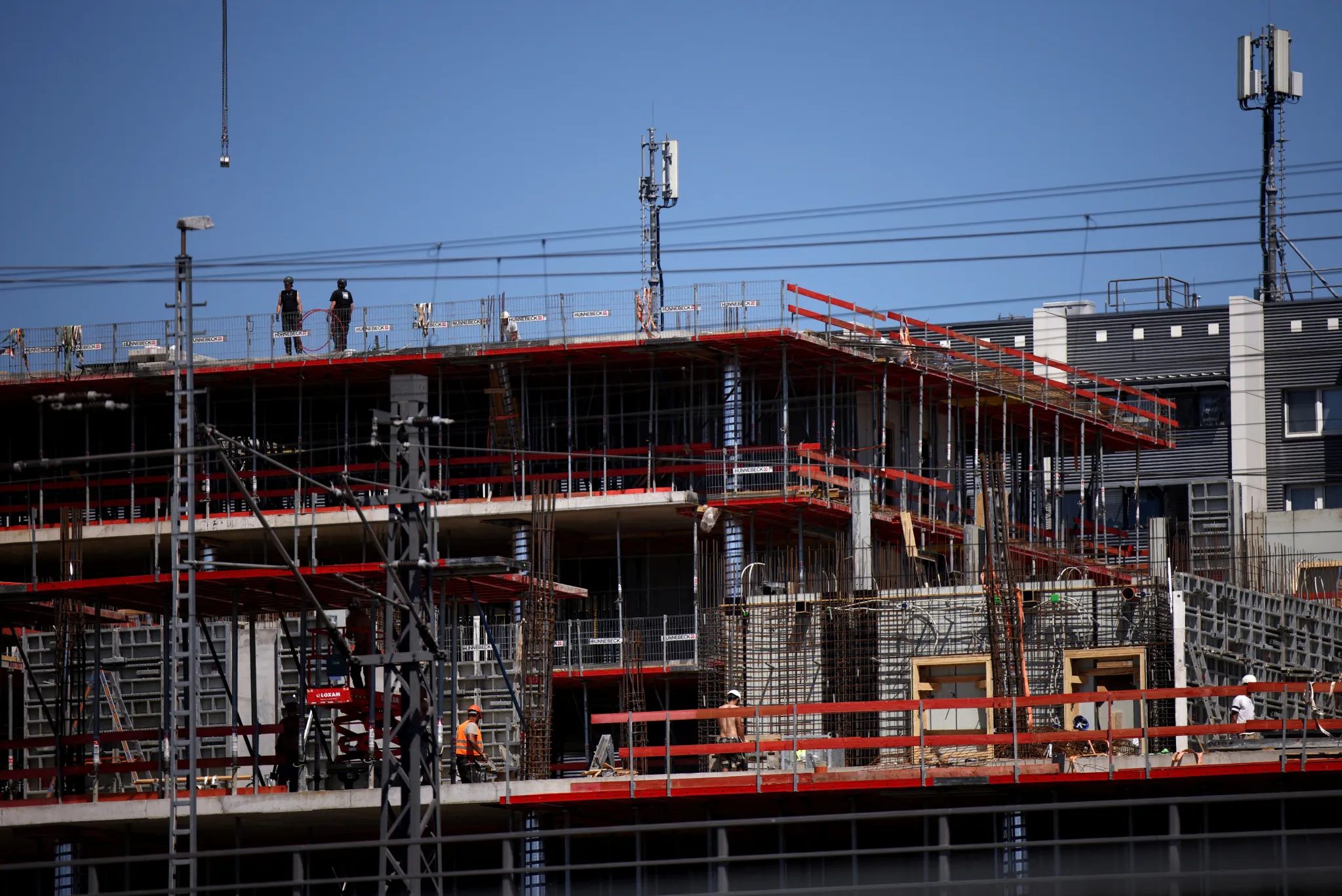

Title: German Industrial Production Lags Behind Expectations in September
Key Takeaways
Date: November 10, 2023
Location: Berlin, Germany
Despite expectations of a robust recovery, Germany’s industrial output in September rose by only 1.3%, a figure significantly lower than the forecasted growth of 3.0%. This disappointing result has sparked concerns about the underlying strength of Europe’s largest economy amidst global economic challenges.
Following a period of considerable volatility influenced by external supply chain disruptions and internal energy concerns, industry analysts had anticipated a stronger rebound. However, the latest data released by the Federal Statistical Office has highlighted a more tepid progression, suggesting the recovery path might be longer than expected.
Sector-Specific Analysis
The performance across different industrial sectors was mixed, contributing to the moderate overall increase. The automotive industry, a critical component of Germany’s industrial backbone, displayed only marginal gains, attributed largely to ongoing shortages of semiconductor chips and other essential components.
Conversely, sectors such as machinery and equipment manufacturing showed more significant increases but were not enough to offset weaknesses elsewhere. Consumer goods production remained almost stagnant, hinting at potential hesitancy among consumers or possible redistributions of spending priorities.
Energy Challenges
One of the key factors shadowing the industrial production has been the ongoing energy crisis, exacerbated by geopolitical tensions and the consequent restructuring of energy supply chains in Europe. German industries have historically relied heavily on gas, much of which was supplied by Russia. The readjustment to alternative energy sources has been both costly and logistically challenging, impacting industrial productivity.
Government Response
In response to the lackluster industrial performance, the German government has indicated plans to enhance support for the sector. Economic Minister Robert Habeck expressed concerns over the slower-than-expected growth and highlighted several initiatives aimed at bolstering the industrial sector, including financial aids and incentives for energy efficiency improvements.
Expert Opinions
Economists and industry experts have expressed mixed reactions to the recent figures. While some view the slowdown as a temporary blip caused by external shocks, others are more pessimistic, foreseeing a protracted period of subdued growth. Dr. Elena Weber, an economic analyst for a leading European economic think tank, suggests, “Germany’s industrial sector might be facing a ‘new normal’ of slower growth, as both external and internal pressures such as supply chain disruptions, the transition to sustainable energy, and competitive dynamics play out.”
Global Impact
Germany’s industrial performance is not just a national concern but has broader implications for the European and global economies. The country’s manufacturing strength is a bellwether for European industrial health and plays a critical role in the supply chains and economic dynamics of the region.
Looking Forward
Going forward, the path of Germany’s industrial sector remains uncertain, with challenges from both domestic economic policies and global economic conditions. As the government shapes policy responses to these disappointing production figures, the global community will be watching closely, understanding that the health of Germany’s industry is a critical component of broader economic stability in Europe.
In conclusion, while September’s industrial production figures were below expectations, they may serve as a critical inflection point for policy adjustments and strategic economic planning. Addressing the intertwined issues of energy dependency, production efficiency, and technological innovation will likely be key to reigniting robust industrial growth in Germany.
Context
Current positioning around Market Analysis remains sensitive to primary-source updates, policy interpretation, and execution risk across major venues.
What To Watch
Key confirmation signals include sustained spot demand, funding stability, and whether price can hold reclaimed levels after headline-driven volatility.
If momentum weakens, traders will likely prioritize downside liquidity zones and risk-control positioning before adding new directional exposure.
Related: More from Market Analysis | Middle East Tensions Lift CRCL Shares Amid Rate in Crypto Market | Dollar Rise Weighs on Cryptos, Gold in Crypto Market

