
Title: China Prioritizes Yuan Stability Over Exports as PBOC Takes Measures to Defend Currency
Key Takeaways
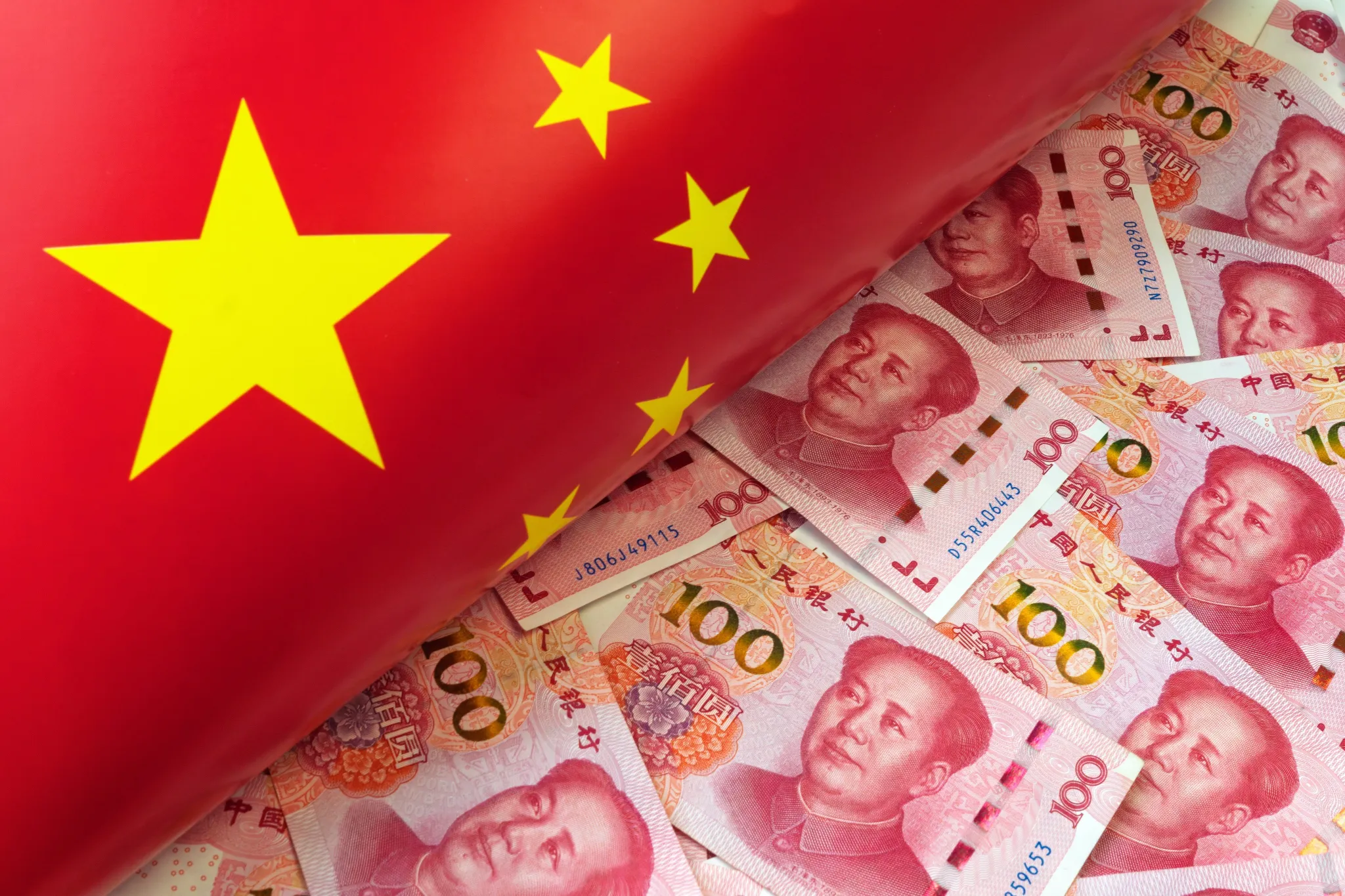
In a strategic pivot emphasizing long-term economic stability, China has recently shifted its focus away from export-led growth to prioritize the stabilization of its national currency, the yuan. The People’s Bank of China (PBOC) has implemented several defensive measures to maintain the currency’s value amidst internal pressures and external uncertainties.
Understanding the Context
Historically, China’s rapid economic ascent was significantly fueled by its robust export sector. The country’s ability to produce goods at lower costs compared to its global peers enabled it to dominate various markets, from electronics to textiles. However, this model has exposed the economy to global market fluctuations and trade tensions, particularly with major trading partners like the United States.
The shift in focus from the PBOC suggests a maturing economic approach, where less emphasis is placed on competitive devaluation used to cheapen exports, and more on fostering a stable financial environment. This transition is critical considering the ongoing complexities in global trade relations and the internal need to boost consumer confidence and financial security.
PBOC's Measures to Defend the Yuan
The PBOC has unveiled a series of tactical interventions aimed at defending the yuan, focusing on both regulatory measures and market operations. These interventions include more regular monitoring of the foreign exchange markets, and readiness to step in to smoothen out volatile fluctuations in the yuan’s value. Strategic use of the reserve requirement ratios for banks has also been an instrument in stabilizing the currency, ensuring that liquidity levels are managed effectively.
Moreover, the central bank has engaged in proactive communication with the market, signaling its intentions clearly to prevent speculative trading that could harm the yuan. This approach of open communication is aimed at maintaining transparency and boosting investor confidence, which is crucial for currency stability.
Economic Implications of a Stable Yuan
A stable yuan presents multiple benefits to the Chinese economy. Domestically, it helps in maintaining purchasing power and controlling inflation, which is crucial for household savings and consumption. For businesses, particularly import-dependent ones, currency stability ensures predictable costs for planning and investment, fostering a conducive environment for long-term growth.
On the international stage, a stable and reliable yuan makes China a more attractive investment destination. Investors typically seek markets that offer not just growth potential, but also financial stability, which the PBOC’s actions aim to guarantee. Moreover, with the yuan being part of the IMF’s Special Drawing Rights basket, its stability is of global economic interest.
Balancing Act Between Exports and Stability
This new focus does, however, come with challenges, primarily how to balance between maintaining competitive export prices and a stable currency. A too-strong yuan could make Chinese goods more expensive on the global market, potentially reducing export volumes. This balancing act is crucial, as exports still form a significant part of China’s GDP, and a significant reduction could have broader economic implications.
Conclusion
China’s decision to prioritize yuan stability over aggressive export tactics marks a significant shift in its economic management approach. By taking steps to defend the yuan, the PBOC is not just aiming to stabilize the currency, but also adapt to an evolving global economic landscape that values sustainability over short-term gains. This transition, while challenging, could redefine China’s economic trajectory, emphasizing resilience and stability in an ever-changing world.
This strategic realignment indicates China’s broader vision for its economic future, one that relies less on external trade dynamics and more on internal financial health and sustainable growth. It is a bold reform that will require careful management, but it could well set a precedent for how major economies might address similar challenges in the future.
Related: More from DeFi & Stablecoins | JP Morgans Dimon: Stablecoin Issuers Paying Interest Should Be Regulated as Banks | FATF Finds Stablecoins Dominant in Illicit Crypto Transactions in Stablecoin